

Shepherd’s Cottage, Badanloch Estate
Transforming a traditional estate property into a stunning base for field sports enthusiasts.
Brief
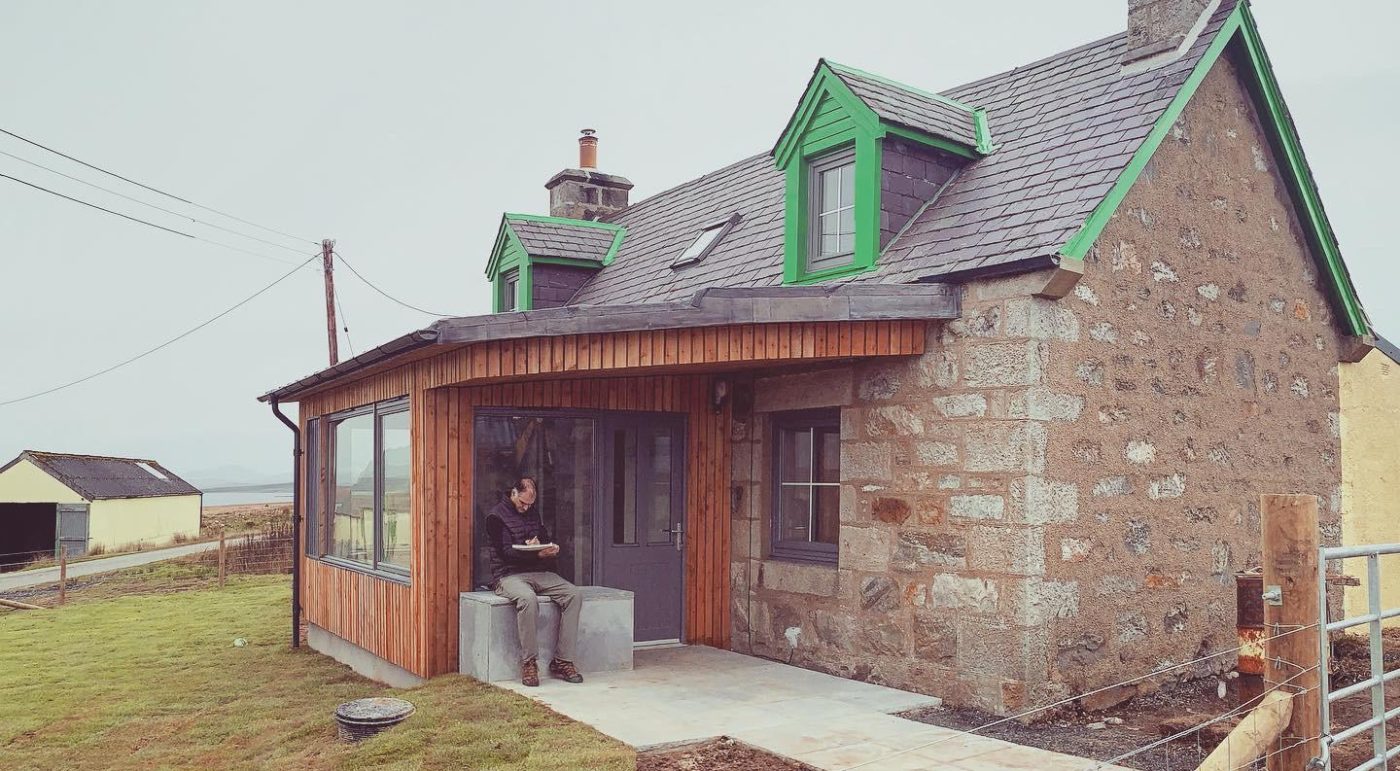
In 2019 Bell Ingram Design (BID) was appointed by Badanloch Estate to refurbish and extend their former Shepherd’s Cottage into a high-quality holiday let.
The client required full architectural services which encompassed taking the project from inception to completion. This included: concept design, detailed design, building warrant approval, tender package and contract administration during construction.

Process
The basis of the design was to create a comfortable, relaxing and practical arrangement to the ground and first floors of the existing cottage. This included adding a dormer to the rear of the property to give adequate height for an additional shower room on the first floor.
Due to the property’s rural location and limited space, a functional, multi-purpose space was required and it was decided to extend to the front elevation, creating a spacious, entrance vestibule/drying room. The room was designed to meet the needs of guests who come to enjoy the fishing, stalking and hill walking on the estate, enhancing and improving their experience with practical and sensible solutions.
The design and materials of the extension contrast with the existing stone walls and Scottish slate roof. However, the use of the estate colours marry the two together.
Outcome
The renovation and extension to Shepherd’s Cottage was completed in Spring 2021, following lengthy delays due to the Coronavirus lockdown restrictions imposed in 2020. Since its completion, the cottage has been welcoming many visitors to the estate, allowing them to relax, enjoy and experience one of Scotland’s most stunning highland landscapes.
[staff_member id=’3264′][staff_member id=’3297′]
Article posted on 20/11/2020
Full Design Service Renovation Project
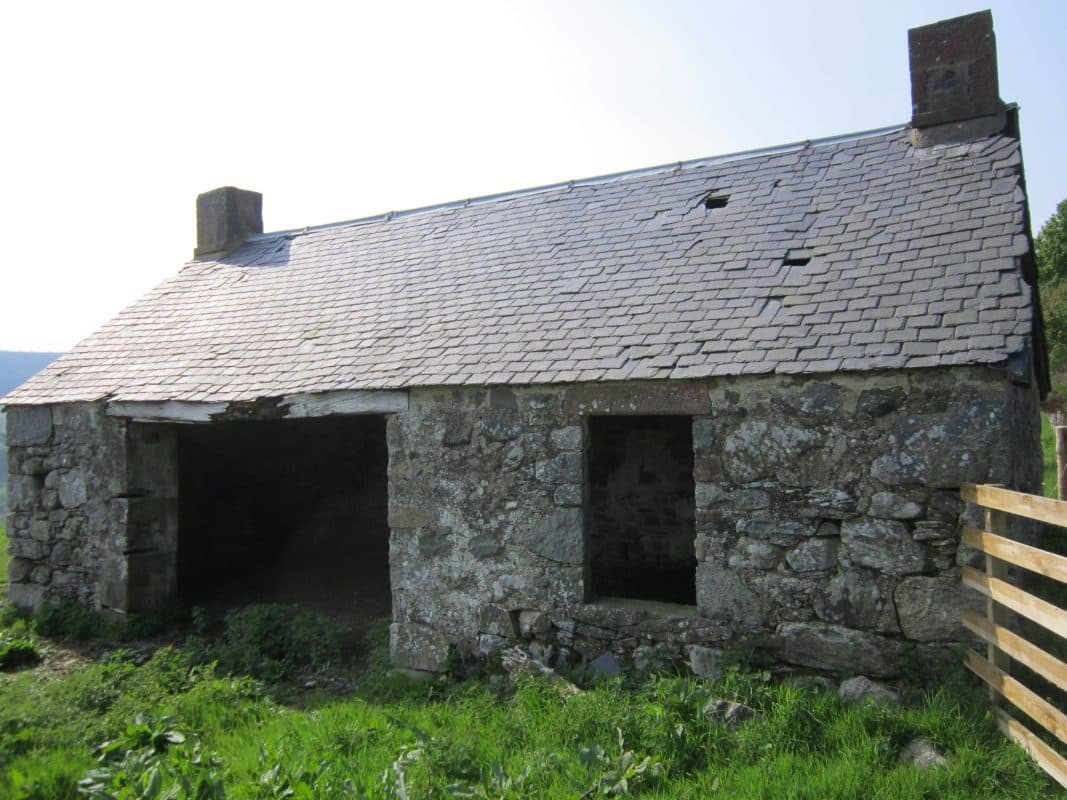
Derelict agricultural building transformed into a stylish holiday home which compliments the landscape and makes the most of the stunning views across Glen Clova and Glen Moy.
Brief
Bell Ingram Design (BID) were asked to convert and extend a derelict bothy into a modern, three-bedroom holiday home. The property is located on an Angus estate and the client had immediately seen the potential of its stunning views across to Glen Moy and Glen Glova.
This was a full design service brief which involved securing planning and building warrant approval, managing the tender process, and delivering full project management on site.
Process
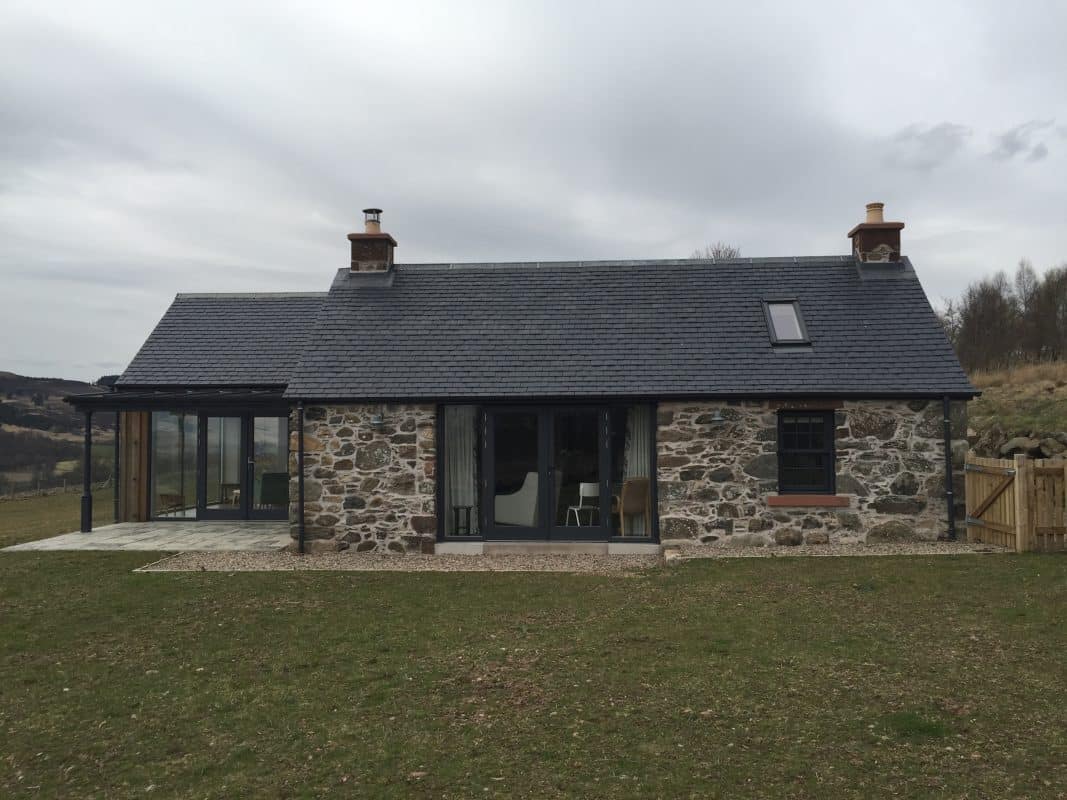
An open plan living space was created in the main bothy section with existing and new openings used to maintain the agricultural appearance. A Siberian larch-clad extension was added to the north side of the property to house a bedroom, utility room, bathroom and sunroom with a large picture window opening onto a glazed veranda to take advantage of the views all year round.
Outcome
This once derelict bothy is now an attractive, modern, three-bedroom dwelling house, which has been designed to take advantage of the beautiful surrounding countryside. The traditional stone bothy has been complemented by the use of natural materials on the contemporary extension. Internally the layout has been designed to provide a functional and comfortable environment. Our client was extremely happy with the finished building and regularly visit throughout the year with their friends and family.

[staff_member id=’3229′] [staff_member id=’3344′]
Article posted on 23/09/2020

RSPB Bird Hide, Udale Bay Reserve
Replacing an end of life hide with a larger structure that featured an interpretation space and full access for wheelchair users.
Brief
The RSPB’s Udale Bay Reserve is a peaceful, intertidal bay on the Cromarty Firth which is home to thousands of waders, ducks and geese. With our experience of working in protected natural habitats, Bell Ingram Design was engaged to replace an end of life hide on the site with a new, larger structure that would include an interpretation space along with full access for wheelchair users.
Process
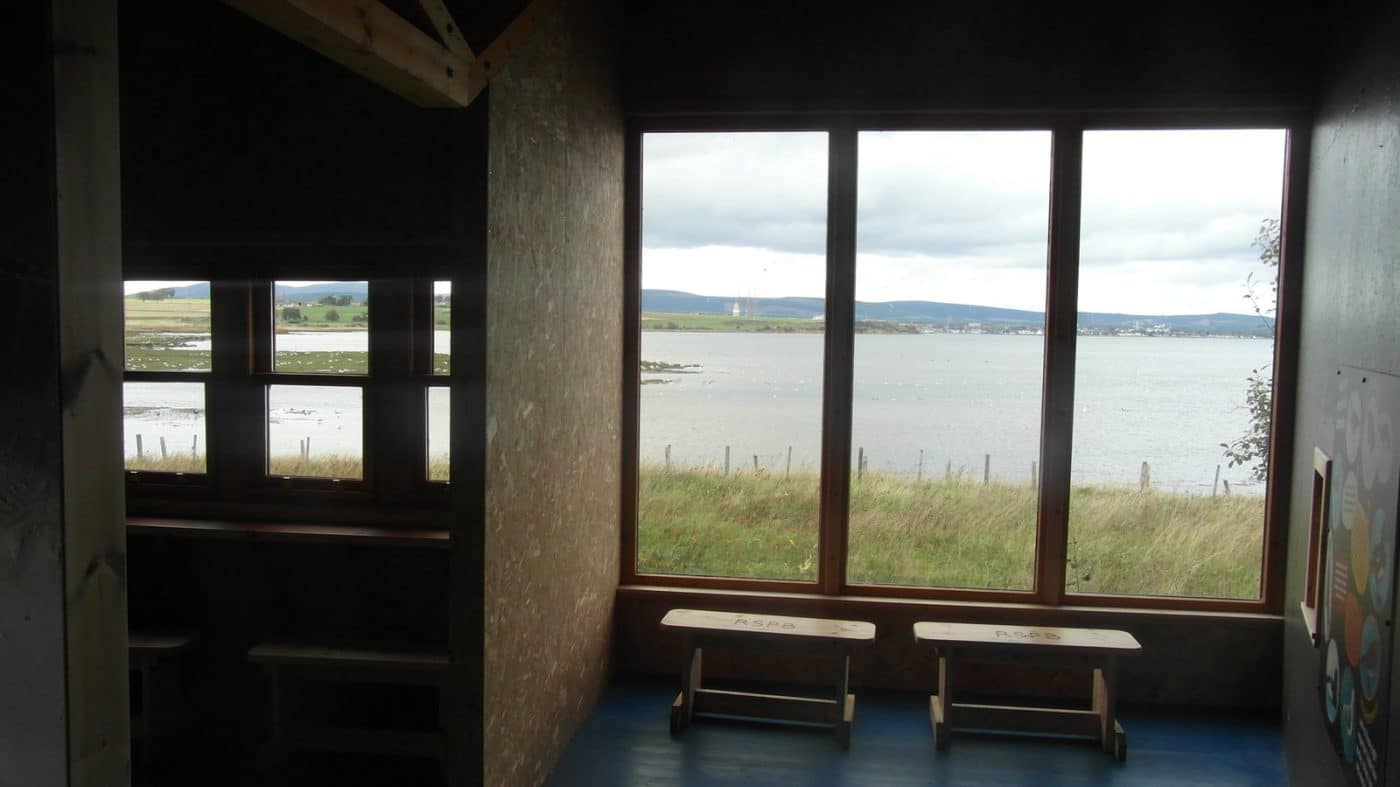
The design approach was for an all timber structure with larch cladding which was left untreated allowing it weather naturally to a silvery finish. The building was set on stilts to minimise its impact on the immediate surrounding ground.
Careful consideration was given to the ergonomics of the seated viewing windows so that all of these could be used by both wheelchair and non wheelchair users. A large floor-to-ceiling viewing window was incorporated providing a panoramic view over the bay, another wall included child height windows allowing up close viewing of the bird life in the trees and shrubs next to the building. Dedicated space was also provided for an artwork by a local artist which fills the hide with colour depicting the changing seasons along with the range of seasonal birds that visit the Reserve.
Outcome
The building has proved to be very successful, we were very pleased to read the following entry in the Visitors’ Book from RSPB members visiting from England shortly after the building’s opening: “What a fantastic hide, we have never seen such an excellent hide catering for all ages, well done!”
With feedback like that, we consider that ‘Job done’!

[staff_member id=’3264′]
Article posted on 03/08/2020
Great Glen Hall – Robertson Homes
Playing a key role in transforming a derelict hospital into stylish apartments and townhouses.
Brief
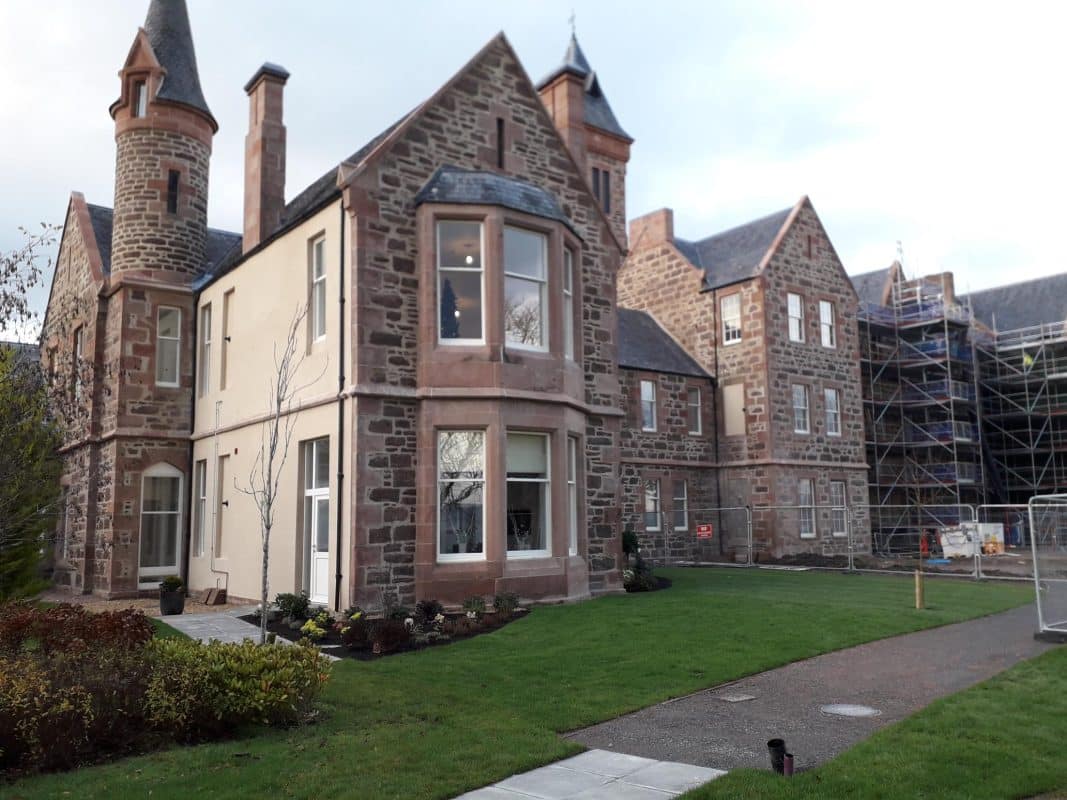
Robertson Homes engaged Bell Ingram Design as Design team leaders, Architects, Planning and Heritage Consultants to assist in their ambitious transformation of the Grade B listed Craig Dunain psychiatric hospital in Inverness into the Great Glen Hall development of stylish apartments and townhouses. The project, which is part of the wider Westercraigs housing development, was made particularly challenging because the building had suffered severe damage to the central area after a fire in 2007.
Process
In collaboration with Roberson Homes and supported by Highland Council, Bell Ingram Design delivered detailed proposals to reconfigure the building into a broad mix of large townhouses through to smaller flatted blocks. A sound understanding of how the original building was designed and intended to function, allowed the Design Team to work with the remaining structure to provide a viable solution that met the concerns of all the interested stakeholders.
Outcome
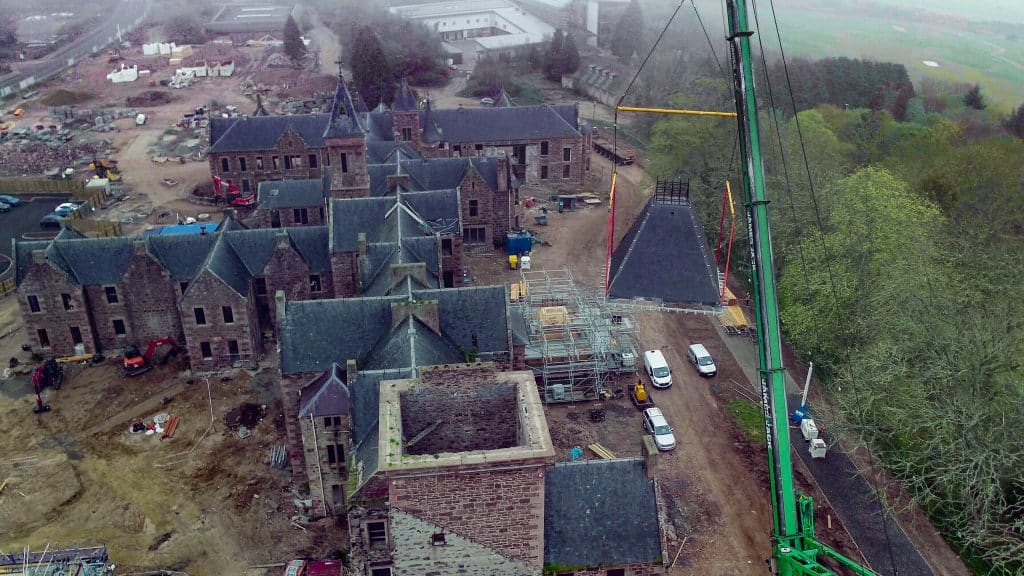
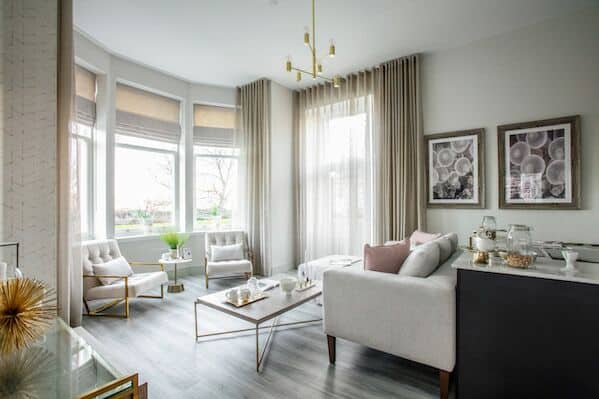
The £13 million redevelopment of Craig Dunain into Great Glen Hall is an ongoing flagship project for Robertson Homes with Bell Ingram Design playing a key role in the transformation process which has seen traditional materials and mature landscaping combined with 21st century interiors and amenities. A highlight was restoring the landmark to its former glory by lowering the first of two 20 tonne pre-fabricated steel roofs onto the building. Entry into the first of the 60 new homes took place in Spring 2018.
[staff_member id=’3247′]
Article posted on 01/01/2020