

Ministers need to accept they’ve ‘got it wrong’ and make changes to Scotland’s new LBTT stamp duty
Carl Warden, of Perthshire-based Bell Ingram, is disputing comments by the Scottish Government that the introduction of the tax has been an “operational success”, claiming it is stunting the £325k plus housing market – especially for large rural properties – and its revenue is falling short of targets.
Land and Buildings Transaction Tax (LBTT) was introduced in Scotland in April 2015 in place of UK Stamp Duty Land Tax (SDLT), with the aim of creating a tax charge that is more proportionate to the actual price of the property.
It means people buying a home in Scotland pay LBTT linked to a sliding scale aligned to the cost of the property – but the rate is vastly different from that in place in England.
Carl emphasises that once the 10% LBTT bracket for properties costing £325,000 to £750,000 is reached, the Scottish tax quickly escalates compared to the rest of the UK, for example a property costing £350,000 will result in £8,350 LBTT compared to £7,500 SDLT. This then quickly adds up, rising to a staggering £78,350 LBTT compared to £43,750 SDLT on properties over the £1million mark – a 179% increase comparison.
These numbers also exclude any further taxation for second home purchases, which would attract an additional 3% of the whole purchase price.
Carl, who has over 28 years experience in the property industry, says that this information can, and has, stopped potential buyers in their tracks, resulting in them choosing not to proceed any further with the sale.
He said: “This is not a time for the Scottish Government to be proud. LBTT is clearly not working, and now is the time to make a change and realise they got it wrong.
“When I meet people who are looking to buy, their jaws hit the floor when they start to appreciate the scale of how much tax they have to pay.
“Transactions attracting this level of tax are making people do one of two things; either not move at all, or negotiate hard on the asking price based on the vendor reducing their price by the level of tax due.
“It is important to highlight that this is not just an issue for people at the higher end of the property market. If sales stop it – or prices are curbed – it ripples down the property ladder; putting further pressure on first time buyers.
“To show just how big the gap is becoming between the Scottish tax and that of the rest of the UK, we recently sold a property at £1.15m for which the LBTT was £96,350, compared to stamp duty at only £58,750 – that’s a £37,600 difference.
“This transaction also attracted an additional 3% second home tax of £34,500, which was a grand total of an eye watering £130,850 in purchase taxes.”
Bell Ingram’s role as a national land and estate agency firm means it is able to provide a unique perspective on the varied outcomes of the tax, informed by a wide network of agency offices across the country.
Established 117 years ago, Bell Ingram has 130 professional staff across 11 UK offices including: farm, estate and forestry managers; chartered surveyors, estate agents, architects, planners, and building surveyors; and tourism, GIS mapping, and renewable energy specialists.
Our people

Mark Mitchell
Managing Partner, FRICS
Rural Land Management, Valuations
Tel: 01738 646 584
About: Mark is responsible for the strategic direction and overall performance of the firm. He specialises in all aspects of Estate and Facilities Management for private, corporate and public sector clients. He is experienced in the acquisition, disposal and management of estates and farms, rental negotiation and management of residential property. Interests: Estate Agency, Private Estate Management, Rural Land Management, FRICS Registered Valuer.
Our people
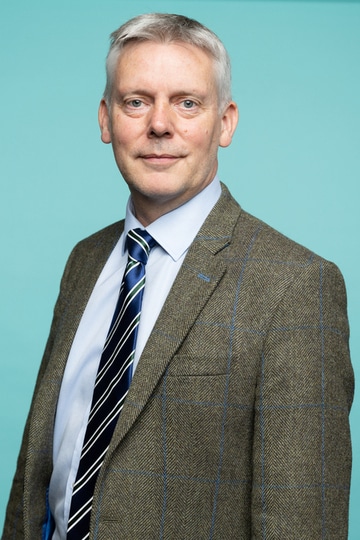
Carl Warden
Partner
Estate Agency
Tel: 01738 621 121
About: Carl heads up the Residential Estate Agency division for the company and has a proven track record within the Scottish property sector. He has been marketing property in the Perth and Kinross area for over 35 years and has vast and detailed practical experience and knowledge of selling prime residential property: from period homes to contemporary developments. Carl is well known in the local area, having developed excellent relationships with buyers and sellers. His wider role involves looking after and supporting our Agency teams and colleagues in Oban, Beauly, Ayr and Forfar.
Interests: Estate Agency, Market Valuation, Negotiation.
Our people
Carl Warden
Partner
Estate Agency
Tel: 01738 621 121
About: Carl heads up the Residential Estate Agency division for the company and has a proven track record within the Scottish property sector. He has been marketing property in the Perth and Kinross area for over 35 years and has vast and detailed practical experience and knowledge of selling prime residential property: from period homes to contemporary developments. Carl is well known in the local area, having developed excellent relationships with buyers and sellers. His wider role involves looking after and supporting our Agency teams and colleagues in Oban, Beauly, Ayr and Forfar. Interests: Estate Agency, Market Valuation, Negotiation.