
The business of carbon net zero
Scottish Forestry continues to forge stronger working relationships with farmers through Integrating Trees Network
The Integrating Trees Network is up and running and going from strength to strength.
This farmer and crofter-led initiative is supported by Scottish Forestry and the Scottish Government. Its aim is to build up a strong network of farm woodland demonstration sites across Scotland, with the hosts showcasing how growing trees has helped their business.
Sharing experiences and hearing from those who are actually doing it – including Bell Ingram’s Matthew Imrie – is all part of the ever-growing Integrating Trees Network. The initiative has now run ten virtual events, attracting farmers and crofters from all over Scotland.
Farming Networks
The network has built up a strong network of farm woodland demonstration sites across Scotland.
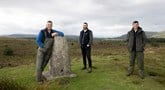
There are six farm woodland demonstration sites across Scotland, hosted by:
-
Andrew Adamson of Messrs W Laird & Son, Netherurd Home Farm, Peeblesshire.
-
Matthew Imrie (Bell Ingram), Hillhead Farm, Torrance.
-
Andrew and Debbie Duffus, Mains of Auchriachan, Tomintoul.
-
Andrew Whiteford, Burnfoot and Ulzieside Farm, Sanquhar.
-
The Barbour family, Mains of Fincastle, Pitlochry.
-
The Lockett family, Knockbain Farm, Dingwall.
These fantastic farming hosts have shared their experiences along with a number of key practical messages for others thinking of planting trees. These are:
-
Use well known contractors – not always the cheapest but being recommended by others shows they know their job.
-
Environment – you have to work with what’s on the ground, don’t try and change it too much or work against it.
-
You can do the work yourself and you don’t need to rely on contractors. It can be a steep learning curve and there are challenges. It just takes time and planning, but there is support out there.
-
Understand your reasons for wanting to plant trees on your land and your business priorities.
-
Do your research: evaluate your land and monitor your farm to find out what areas are under performing for livestock but could still be suitable for planting trees.
-
Make sure you consider whether planting trees will complement your existing farm enterprises.
-
Treat your woodland as another crop, making sure you are managing it properly.
-
Involve the local community as much as possible in planning – that helps to defuse any potential issues.
-
Ask whether having trees on the farm will help diversify the nature of the business to become more adaptable, and in the future will it provide much needed shelter.
-
Create a habitat for wildlife: life’s pretty boring without wildlife!
Resources
As the network has developed, more resources have been created to help land managers take that next step to planting trees on their land. Simplified woodland creation guidance, small farm loan scheme, FAS funding to name but a few and most of all, having access to other farmers and crofters who can share their practical knowledge to those considering woodland creation on whatever scale. This information is available online at www.forestry.gov.scot and www.fas.scot
A video featuring Bell Ingram’s Matthew Imrie, Hillhead Farm, Torrance, one of the host farmers, discussing the decision to plant trees on his family farm and key considerations others farmers should be aware of. Watch it at www.farmingforabetterclimate.org/integrating-trees-on-your-land
Everyone is welcome to book onto these free virtual online events. This is a farmer and crofter-led network so please get in touch and let the organisers know what topics you want to discuss. Drop lyn.white@forestry.gov.scot or Hilary.Grant@gov.scot an email. Events coming up:
Tea and Trees with Crofters: Thursday 17th February, 6 – 7pm
A chance to chat about planting trees on your croft – come and share your experiences and ask your questions. This discussion group will bring crofters together to chat about woodland creation projects along with specialists from Scottish Forestry and The Woodland Trust, Croft Woodland Project. This will be an informal networking event and a chance to make connections and chat with other crofters to share your experiences and knowledge. Join with a cup of tea to discuss the objectives, challenges and potential for integrating trees on crofts. Look out for booking details on the Integrating Trees Network website www.farmingforabetterclimate.org
Woodland Creation for Biodiversity: What needs to be considered? Discussing the ground examples, Thursday, 24th February 7 – 8pm
Come along and hear from Colin Edwards, Environment Policy Advisor, Scottish Forestry, on how to create woodland to meet your biodiversity objectives. Looking at basic principles of site selection, key species to plant, integration of open habitat and creation of future habitat to maximise your biodiversity benefits. Hear and discuss with our land managers their practical experiences of creating, woodland for biodiversity. Hosts for the night are Andrew Barbour, Mains of Fincastle, Pitlochry and Richard Lockett, Knockbain, Dingwall. There will also be a representative from, Woodland Trust. Booking details on the Integrating Trees Network website www.farmingforabetterclimat
Article posted on 10/02/2022
- 1
- 2