
Avian Influenza Prevention Zone in Scotland is extended until 28th February 2017

There is a GB-wide ban on poultry shows and gatherings, and the Prevention Zone applies to all poultry and captive birds in Scotland, requiring poultry keepers to keep their birds indoors, or take appropriate practical steps to keep them separate from wild birds. All bird keepers must also take extra steps to ensure good biosecurity on their premises and minimise the risk of infection and further spread of Avian Influenza, such as:

  • making sure that birds’ feed and water can’t be accessed by wild bird.
  • voiding transfer of contamination between premises by cleansing and disinfecting equipment, vehicles and footwear.
  • reducing the movement of people, vehicles or equipment to and from areas where poultry or captive birds are kept.
  • implementing effective vermin control around buildings where poultry or captive birds are kept.
  • providing wash facilities or dips containing approved disinfectant (at the right concentration) at key points such as farm entrances and entrances to bird houses.

Avian Influenza is a notifiable disease. If you suspect an animal may be affected by a notifiable disease report it to your local Animal Plant and Health Agency office. Contact details can be found at http://www.defra.gov.uk/ahvla-en/about-us/contact-us/field-services/ and further information such as biosecurity guidance is available from the Scottish Government website www.gov.scot/avianinfluenza.

The H5N8 strain of Avian Influenza has been circulating in Europe for several weeks.  The disease has also been found in wild birds in Wales, England and Scotland. and within the domestic flock confirmed  in Lincolnshire on 16 December 2016, and Carmarthenshire on 3 January 2017. The last Scottish Avian Influenza outbreak in captive birds was Low Pathogenic H5N1 in Dunfermline, January 2016. 

Under the Prevention Zone, birds and eggs are still considered free range provided they meet all other requirements. Declaring a Prevention Zone means birds can be housed for up to 12 weeks and still maintain their free range status. The 12 week limit applies to individual birds or batches, not premises as a whole.

Members of the public are asked to report these incidents to Defra’s national helpline (email defra.helpline@defra.gsi.gov.uk or telephone 03459 335577, Mon-Fri 8am to 6pm). DEFRA/SG have issued a  news release and provided information for poultry keepers on their Frequently Asked Questions page. If poultry owners have specific questions about complying with the requirements of the Avian Influenza Prevention Zone, they should speak with their private vets or their local Animal and Plant Health Agency (APHA) office.

[staff_member id=’3328′]

Article posted on 06/01/2017

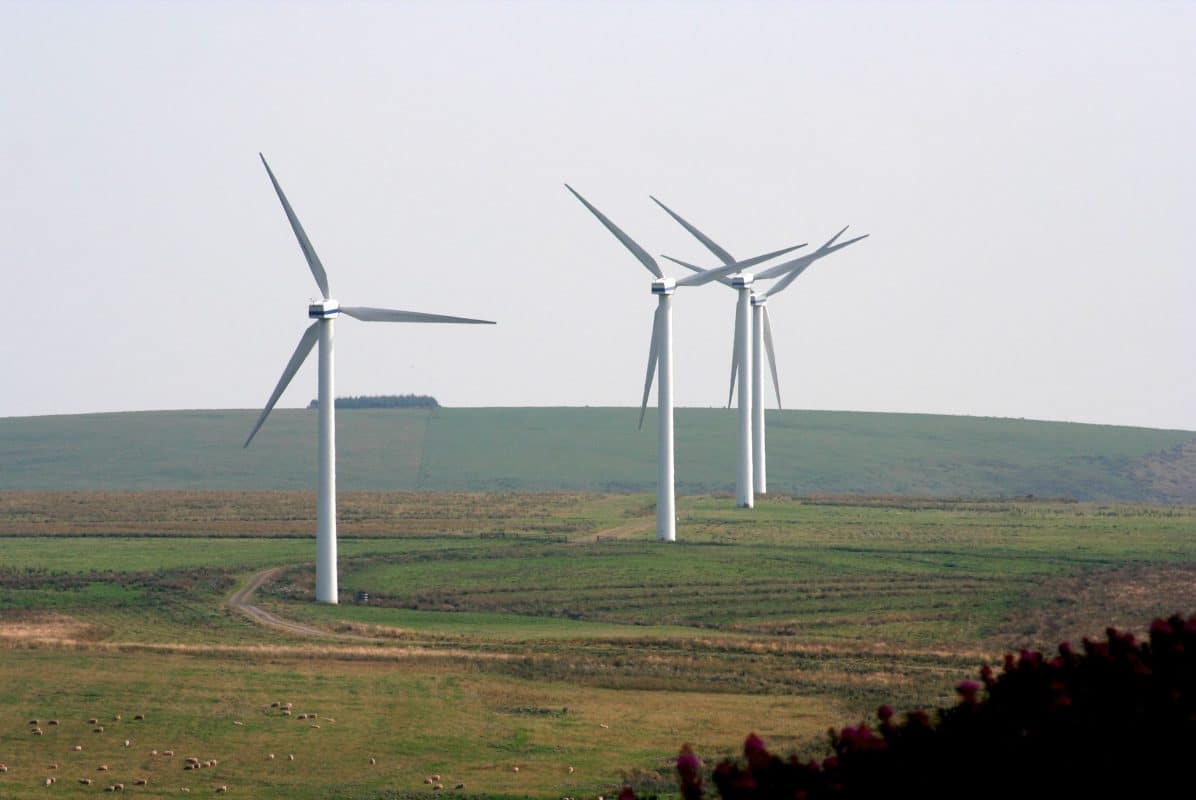
Expert Witness – Pipeline Loss of Development – Wind Turbines

Providing specialist advice on loss of development for a windfarm over a gas pipeline.

Brief

Bell Ingram were instructed to act as Expert Witness on behalf of National Grid who held servitude rights over land in relation to an underground gas pipeline which they own and operate. The case arose when the landowner referred a claim for loss of development to the Lands Tribunal for Scotland, with a claim for sterilisation of land for a turbine on a proposed wind farm development.

Process

Bell Ingram acted as Expert Witness in a case heard over six days at the Lands Tribunal for Scotland, providing specialist advice on the prospects of windfarm development layout and on the valuation of any potential diminution in value due to the proximity of the gas pipeline.


Outcome

The applicants had claimed compensation in excess of £2.2 million and the case was decided, following the evidence of Bell Ingram’s Expert Witness, with compensation for depreciation in land value set at £280,000. This represented a significant cost saving to our client. Case reference: LTS/COMP/2009/04

Article posted on 01/01/2017

  •  

North West Ethylene Pipeline

Providing land agency services on the longest single gas pipeline ever built by a private operator.

Brief

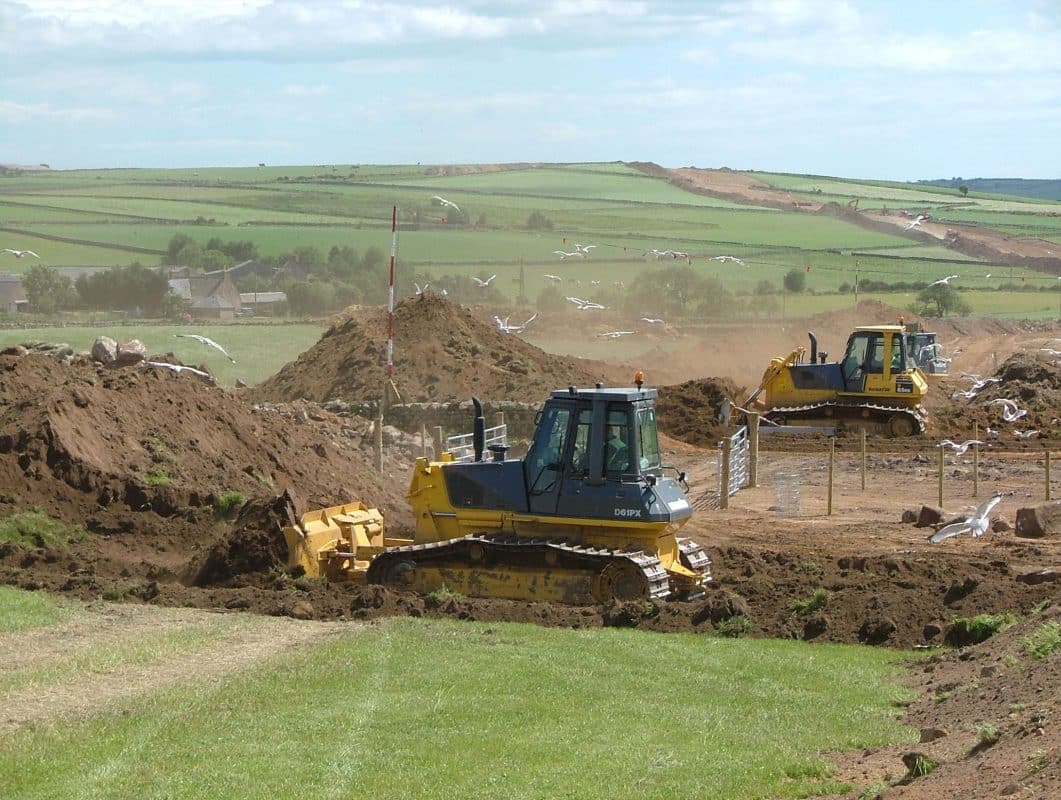
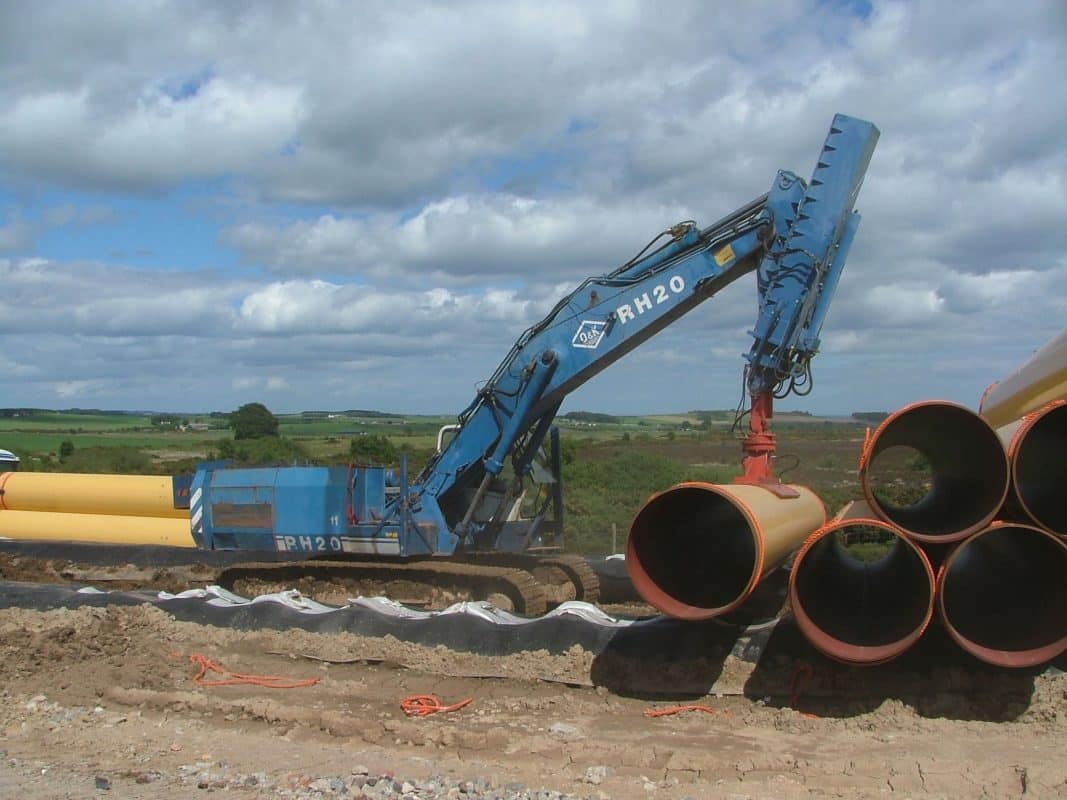
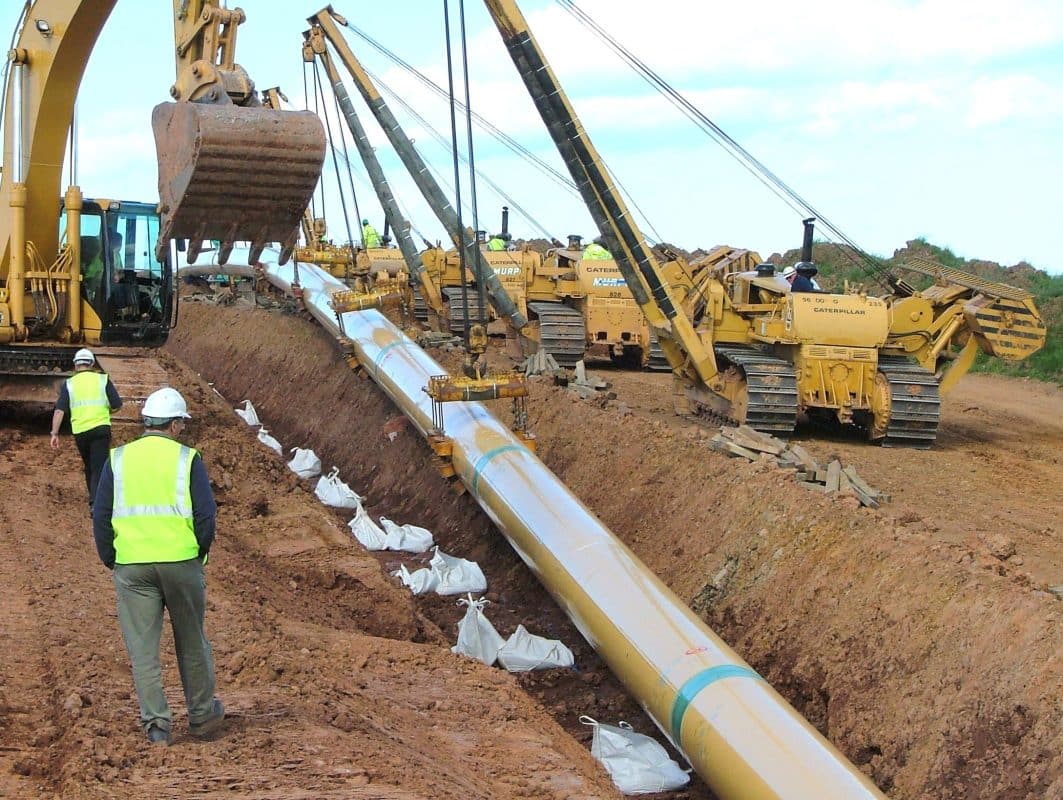
In 1988 Bell Ingram were instructed by Shell Chemicals UK to provide land agency services on the full length of their proposed 400km gas pipeline between Grangemouth in Scotland and Stanlow in Cheshire. This was and still is the longest single gas or oil pipeline ever built by a private operator. The project affected over 800 landowners, required the acquisition of over 20 valve sites, as well as rights for numerous cathodic protection sites, temporary side accesses and construction camps.

Process

Bell Ingram set up two new offices along the route and initially referenced the pipeline corridor, and then prepared consent documents and plans for each landowner and occupier along the route. We then negotiated the landowners’ and occupiers’ consents, including obtaining agreement for the acquisition of valve sites, CP Installations and temporary rights. Bell Ingram also assisted in compulsory rights order cases and public enquiries, including acting as Expert Witness. Our land agents further assisted Shell’s consultants in obtaining access to the pipeline route for site investigation and environmental surveys and prior to construction we prepared a full record of condition of the whole pipeline corridor.


Outcome

The pipeline was successfully constructed in a single year and on programme. During construction, Bell Ingram worked closely with Shell and their contractors, providing 10 land liaison officers, five drainage consultants and over 15 agricultural inspectors, along with five land agents along the route. On completion of the pipeline construction, we negotiated compensation claims for crop losses and disturbance and we have continued to provide crop loss claim and drainage services during the operational phase. Bell Ingram also provide a development monitoring service through our Planning Consultant, working closely with the pipeline operator.

Article posted on 01/01/1995

  •