Great Glen Hall – Robertson Homes

Playing a key role in transforming a derelict hospital into stylish apartments and townhouses.

Brief

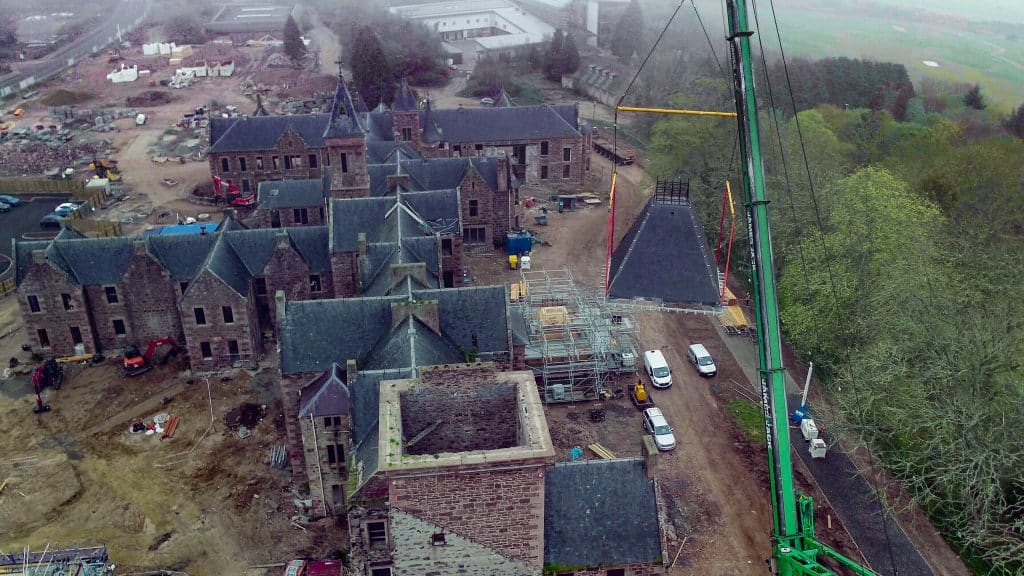
Robertson Homes engaged Bell Ingram Design as Design team leaders, Architects, Planning and Heritage Consultants to assist in their ambitious transformation of the Grade B listed Craig Dunain psychiatric hospital in Inverness into the Great Glen Hall development of stylish apartments and townhouses. The project, which is part of the wider Westercraigs housing development, was made particularly challenging because the building had suffered severe damage to the central area after a fire in 2007.
Process

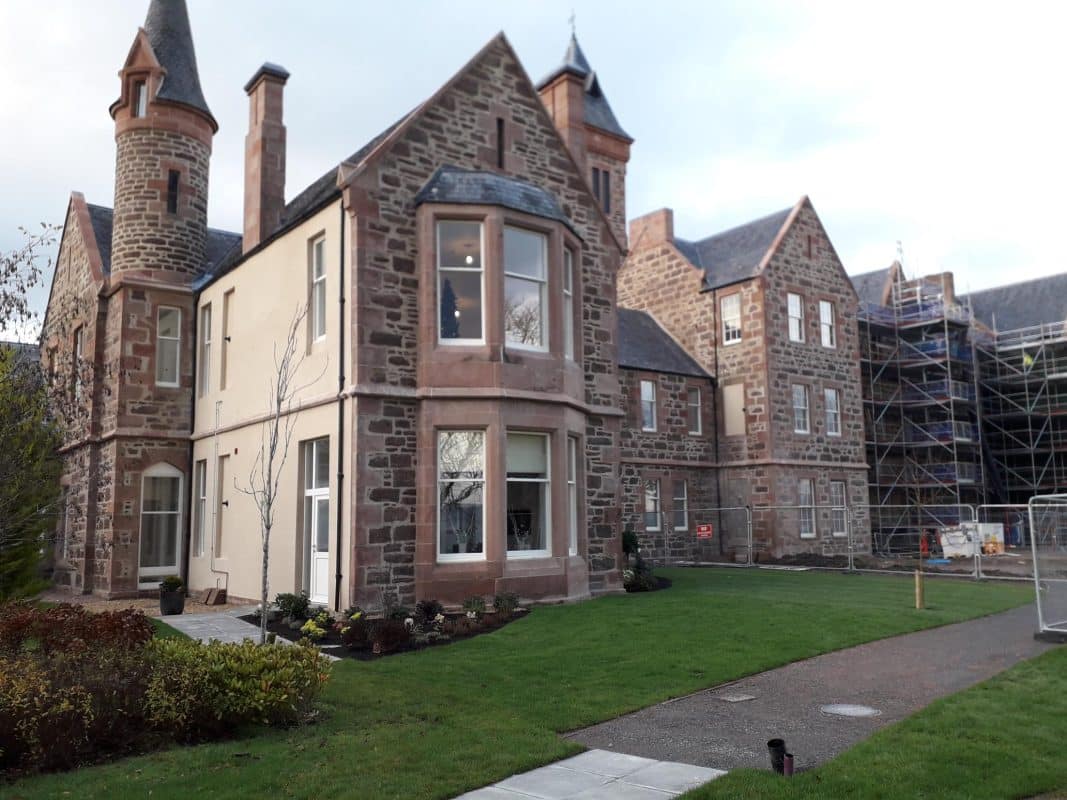
In collaboration with Roberson Homes and supported by Highland Council, Bell Ingram Design delivered detailed proposals to reconfigure the building into a broad mix of large townhouses through to smaller flatted blocks. A sound understanding of how the original building was designed and intended to function, allowed the Design Team to work with the remaining structure to provide a viable solution that met the concerns of all the interested stakeholders.

Outcome

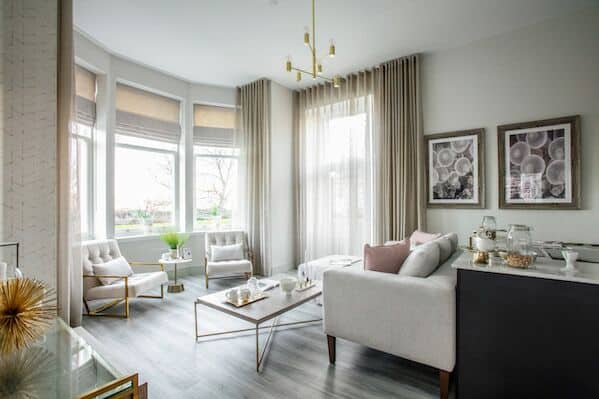
The £13 million redevelopment of Craig Dunain into Great Glen Hall is an ongoing flagship project for Robertson Homes with Bell Ingram Design playing a key role in the transformation process which has seen traditional materials and mature landscaping combined with 21st century interiors and amenities. A highlight was restoring the landmark to its former glory by lowering the first of two 20 tonne pre-fabricated steel roofs onto the building. Entry into the first of the 60 new homes took place in Spring 2018.
[staff_member id=’3247′]

Article posted on 01/01/2020

Brechin Townscape Heritage Initiative

Public Sector funded restoration project to transform historic row of 19th century, gable-ended buildings.

Brief

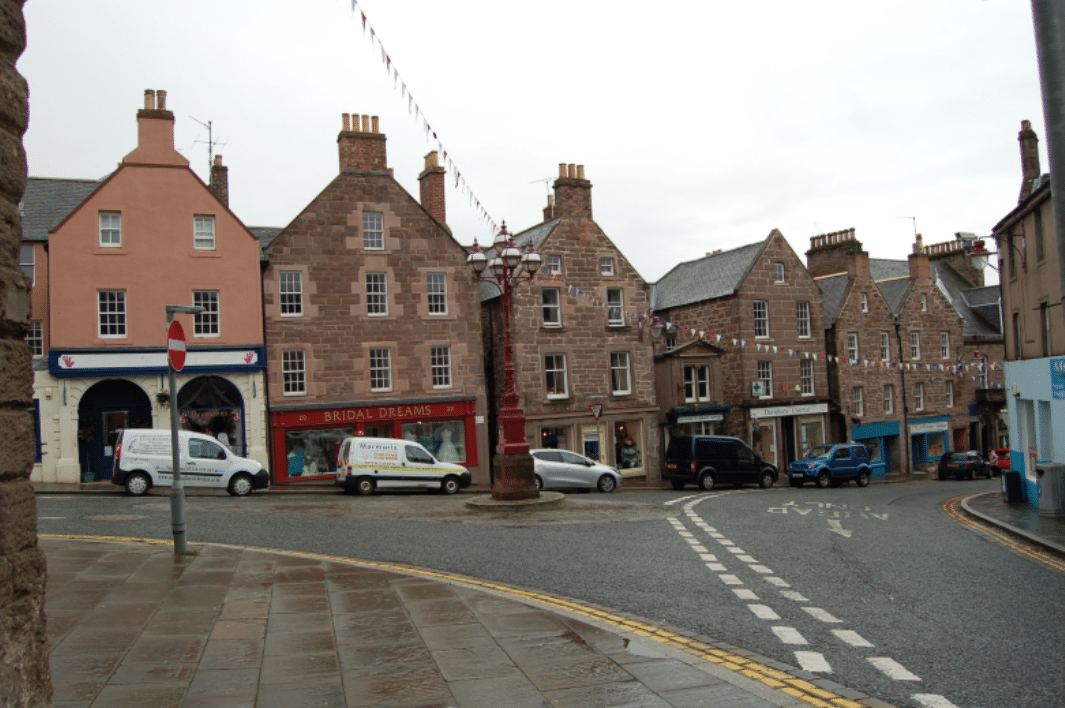
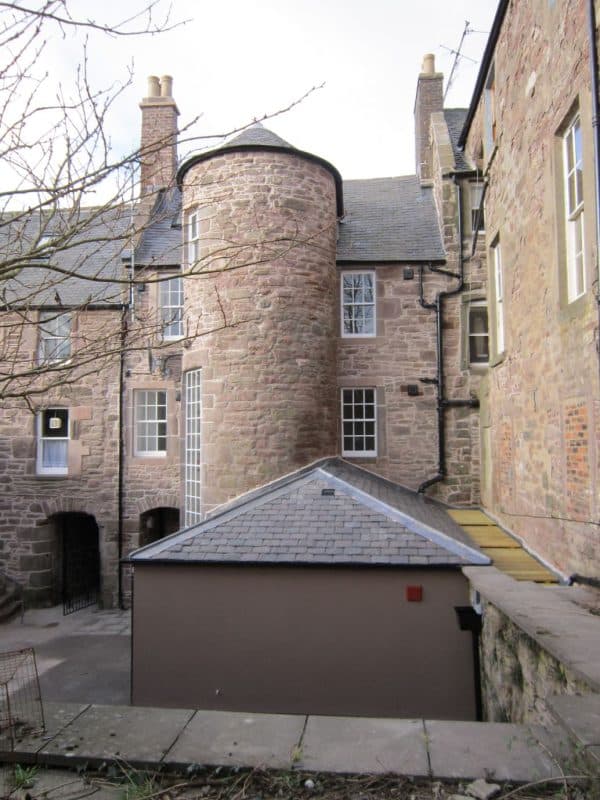
Bell Ingram Design was appointed as Project Architect and Lead Consultant on seven linked projects within the Brechin Townscape Heritage Initiative (THI). The work centred on a historic row of early 19th century, gable-ended buildings along 29-33 High Street. The main project was the conversion of a derelict property. into three apartments and ground floor retail space. We were also appointed by the neighbouring owners on both sides of this property to carry out external restoration, plus THI grants also enabled BI Design to complete external improvements on four further communally owned properties within this key area. Brechin THI was a five-year, £2.9 million project funded by Angus Council, the Heritage Lottery Fund (HLF) and Historic Scotland (Historic Environment Heritage Fund – Conservation Area Regeneration Scheme).

Process

29-33 High Street was one of a number of similar, historic properties located on Brechin High Street. The overriding character of the buildings was based more on the consistency and use of locally sourced building materials rather than on a particular architectural style; the quality of design being attributed to the skill of local artisans. However, the row had fallen into dereliction because Brechin’s historically low property prices meant that the cost of conversion back to a habitable standard exceeded the property’s value once refurbished. The appointment of BI Design to carry out work on properties adjacent to 29-33 High Street meant that we were able to apply a consistent approach to the grouping as a whole. As each property had a different client (sometimes multiple clients), the works were restricted by budget to a greater or lesser extent and had to be carefully prioritised. 

Outcome

Being a high-profile site within the centre of Brechin it was important to minimise any disruption caused to the local community by scaffolding. The construction works were completed within budget and with no complaints received from residents or businesses. Restoration of the 19th century row has greatly enhanced Brechin’s existing streetscape which Angus Council believes will in turn help to raise the spirits of Brechiners and attract new jobs and investment. Retail space and apartments within the Arrowpoint developments are now occupied and, importantly, the value of each property has been enhanced by applying a consistent approach across the row.

Article posted on 26/06/2019