
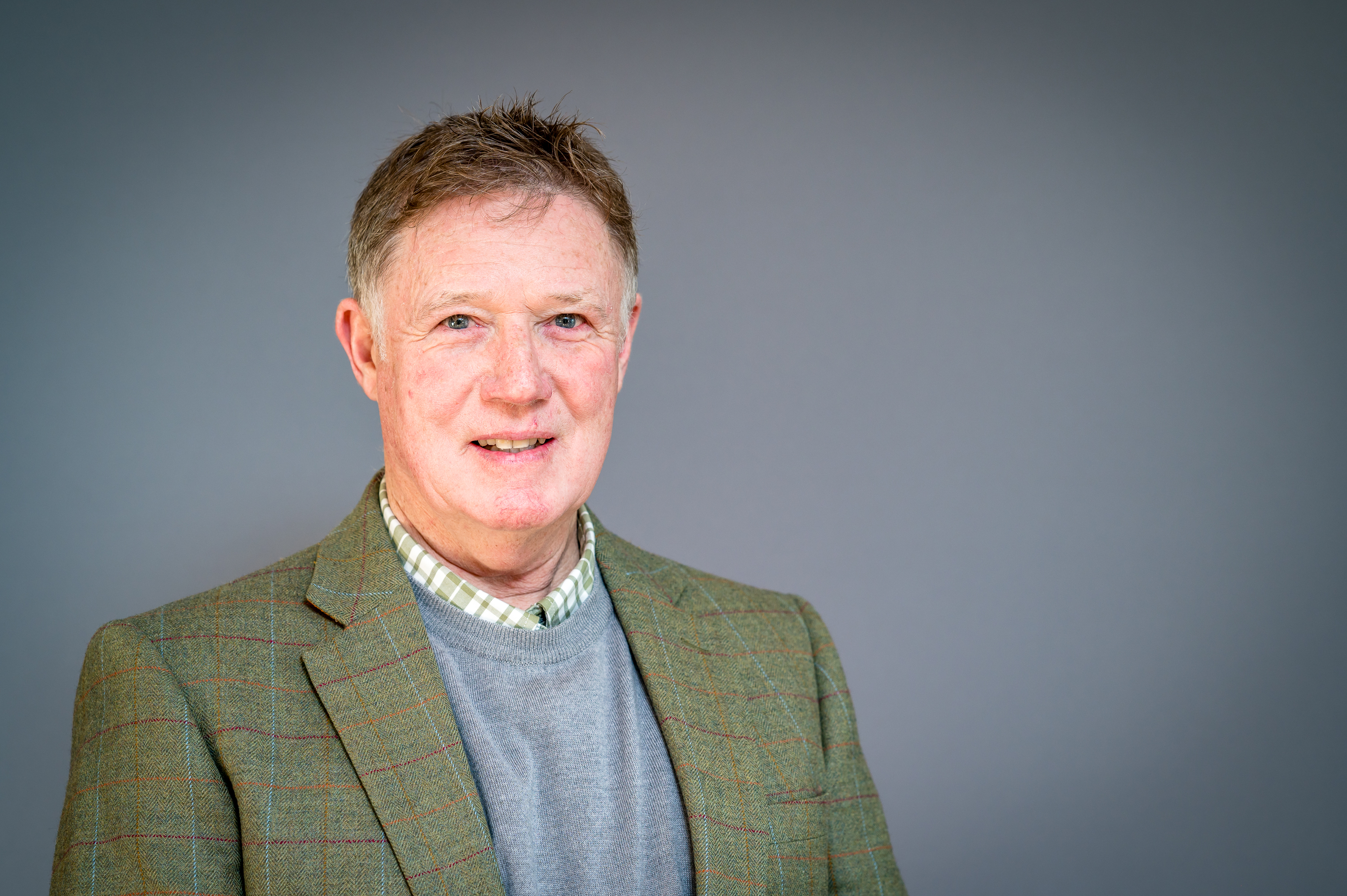
Biodiversity Net Gain in Scotland

By Garry Dimeck, Planning Consultant

Biodiversity net gain (BNG) has become a defining feature of the planning landscape across the UK… but in Scotland, the approach is deliberately different. Rather than adopting a rigid, percentage-based system, Scotland is embedding biodiversity enhancement into the core of its planning framework.

For rural landowners, estates and developers, the implication is clear: this is no longer simply an environmental consideration. It is a material commercial factor that will increasingly influence land value, development strategy and long-term asset management.

A policy-led system with real teeth

At the heart of Scotland’s approach is National Planning Framework 4 (NPF4), which requires development to deliver “positive effects for biodiversity” through all development proposals (Policy 1). That expectation is advanced through Policy 3 which requires it to be demonstrated that biodiversity and nature networks can be conserved, restored & enhanced. While this stops short of mandating a fixed uplift, it would be a mistake to view it as a softer alternative to England’s 10% BNG requirement.

In practice, planning authorities are beginning to apply this policy robustly with Policy 3 now being accorded significant weight in decision-making, and proposals that fail to demonstrate meaningful biodiversity enhancement at risk of refusal.

From mitigation to measurable enhancement

Historically, biodiversity in the planning process has centred on mitigation, minimising harm rather than delivering improvement. That position has shifted decisively. Developments are now expected to leave habitats in a demonstrably better state, and increasingly this must be evidenced, not simply asserted. While Scotland does not yet have a mandated metric, the direction of travel is clear. Tools being developed by NatureScot will introduce greater consistency, but many planning authorities already expect quantified biodiversity outcomes as part of an application.

For applicants, this means:

  • Engaging ecological expertise at the earliest stage of site design
  • Quantifying baseline conditions and proposed enhancements
  • Demonstrating how gains will be secured and managed over the long term.

This is a step change in both scope and scrutiny.

There is an expectation that gains are delivered on-site and this is likely to inhibit the capacity of some sites to accommodate built development. Where on-site gains cannot be delivered, off-site delivery is possible but will come at a cost.

A new opportunity for rural land

For rural businesses and landowners, the commercial implications are significant and, in many cases, positive.

As biodiversity requirements become embedded in development, there is growing demand for:

  • Habitat creation and enhancement
  • Land capable of delivering off-site biodiversity benefits
  • Long-term environmental management agreements.

While Scotland has not established a formal biodiversity credits market, the underlying drivers are beginning to mirror those seen elsewhere in the UK. Land is no longer valued solely for its agricultural or development potential, but increasingly for its natural capital capacity.

Strategically managed estates may be able to:

  • Diversify income through habitat delivery
  • Support development by providing biodiversity enhancements
  • Strengthen long-term asset resilience through environmental stewardship.

In short, biodiversity is emerging as a tradable and investable component of land use.

Risk, cost and long-term liability

With opportunity, however, comes complexity.

Biodiversity enhancement is not a one-off exercise. It is typically secured through planning conditions or legal agreements, requiring:

  • Long-term habitat management
  • Monitoring and reporting
  • Financial commitments extending well beyond construction.

This introduces a new layer of operational and financial risk that must be understood at the outset. Poorly scoped biodiversity strategies can affect viability, delay applications or constrain future land use.

Early, integrated planning is therefore essential, not only to secure consent, but to ensure that biodiversity requirements align with the wider commercial objectives of the landholding.

A shifting baseline for development

What is becoming clear is that biodiversity enhancement is no longer a differentiator, it is a baseline expectation.

Scotland’s flexible, policy-led approach places greater emphasis on professional judgment, site-specific solutions and collaborative working with planning authorities. For well-prepared applicants, this creates scope to deliver innovative, landscape-scale outcomes.

For those who treat biodiversity as an afterthought, it presents a growing risk to both programme and profitability.

Looking ahead

As guidance evolves and a national metric is introduced, greater clarity will follow. However, the underlying trajectory is already established.

Biodiversity will play an increasingly central role in shaping:

  • How land is valued
  • How development is designed
  • How rural assets are managed over the long term.

For landowners and developers alike, the priority now is to move beyond compliance and recognise biodiversity for what it has become: a core component of strategic land use and commercial decision-making.

Garry Dimeck is a Planning Consultant at Bell Ingram, advising on rural development, land use strategy and planning across Scotland.

Agritourism to play a key role in driving Scotland’s rural economy

By Caroline Millar, Scottish Agritourism Sector Lead

Scotland’s agritourism sector has ambitious plans to provide the same level of economic impact to the rural economy that many other countries enjoy.

Agritourism includes three main activities based on a working farm or croft – farm retail, farm accommodation and day experiences.

Farm retail, the direct sale of food and drink from farms either in a farm shop, honesty hut or online, accounts for an estimated £110 million of economic value to the sector.

Holidays on farm and day experiences are estimated to be valued at £60 million.

Farmstays now include a vast range of accommodation types from luxury lodges to glamping and campsites, and also include the traditional farmhouse B&B that many people think of when they think of a farmstay.

Day experiences are where the sector is seeing increasing demand, particularly from the travel trade who organise private tours for couples and groups. Experiences include farm tours, seasonal events such as pumpkin festivals, eating in a farm café or restaurant, adventure sports and weddings.

The definition of agritourism varies from country to country. The Scottish definition of agritourism is: “Tourism or leisure on a working farm, croft or estate which produces food.”

The sector body, Scottish Agritourism, was established in June 2020 to formally bring together a strong network of farmers, crofters and suppliers to the sector, to offer peer to peer business support, consumer marketing and representation. Scottish Agritourism has a board chaired by Riddell Graham, formerly Head of Partnerships, Visit Scotland. While working on behalf of the entire sector, Scottish Agritourism is also a membership organisation.

The agritourism sector is much wider than farmers and crofters at its core. Businesses providing professional services and advice, construction companies and a range of suppliers needed to run a successful enterprise are just some examples of the wider agritourism supply chain that are playing a vital part in the growth of the sector.

The Scottish Government’s programme for government in May 2021 included an action to produce and implement a strategy to grow agritourism in Scotland. The strategy was part of a 100-day commitment action. The strategy was developed with a working group made up of private sector and public sector leaders, and also included input from international experts in agritourism. It was launched at the Scottish Agritourism conference in November 2021.

Scottish Agritourism as a sector body plays a vital role in representing private sector businesses in agritourism with the national strategy roll out. Three representatives from Scottish Agritourism sit on the implementation board including Caroline Millar, Sector Lead for Scottish Agritourism and Co-Chair of the board alongside Cabinet Secretary for Rural Affairs, Land Reform and the Islands, Mairi Gougeon. The strategy aims to have 100 farmers and crofters in agritourism by 2030 and to increase the economic impact from £170 million to £250 million per annum.

Find out how Bell Ingram can help you achieve your Agritourism dream here.

[staff_member id=’2670′]

Bell Ingram’s Finnich Glen visitor centre vision wins planning approval from council

Farmers David and Carole Young have warmly welcomed the decision by members of Stirling Council’s Planning Panel to unanimously approve their planning application for Finnich Glen today (Tuesday 6th October).

Along with a visitor centre, the development will comprise a 150-space car park and a network of paths, bridges and viewing platforms at the Devil’s Pulpit beauty spot.

Architects and planning consultants Bell Ingram Design lodged the application for the 10.9 hectare site in West Stirlingshire on behalf of the couple last September.

David Young says:

“Carole and I are both delighted and relieved by today’s decision and want to thank the councillors for supporting our vision to create a destination of national and international importance at Finnich Glen.

“The Finnich Glen visitor centre development will allow visitors to access the Glen safely and safeguard this stunning environment for future generations to enjoy.

“In the longer term we hope to create a sustainable business and generate rural jobs, something that’s never been more important as our economy struggles to survive during the Covid-19 pandemic.”

Iain Cram, Director of Bell Ingram Design, says:

“I want to thank Stirling Council, and specifically the three ward councillors Graham Lambie, Robert Davies and Alistair Berrill, for having faith in this proposal and unanimously supporting our plans to resolve the serious safety issues both on the roads and in the Glen itself.

“From the beginning we have engaged with the local community and key stakeholders, and we firmly believe our proposals will enhance this stunning place. We have made every effort to ensure that the design of the proposed visitor centre blends into the landscape and isn’t visible from the road. The revenue it will generate will allow us to deliver the free parking and toilet facilities that are expected in any modern visitor attraction.”

Despite over 70,000 people visiting Finnich Glen each year, there is currently no safe access, parking or even basic toilet facilities at the site.

David Young continues: “Recent events have highlighted the scale of the safety issue after thousands of people descended on the site after lockdown eased, forcing Stirling Council to close the Glen and enforce parking restrictions.”

[staff_member id=’3247′]

Article posted on 06/10/2020