Embrace the charm of Dervaig: Exceptional properties offering lifestyle and  business potential on the Isle of Mull

Nestled on the scenic north side of the Isle of Mull, the village of Dervaig offers an enticing blend of natural beauty, rich cultural heritage, and a slower, more fulfilling pace of life. Here, Bell Ingram presents two exceptional properties that invite buyers to embrace a lifestyle of endless possibilities: Druimard House and The Old Byre and Visitor Centre. These unique offerings are not only ideal family homes but also versatile spaces that can fulfil a range of lifestyle or business ambitions.

Druimard House and The Old Little Theatre: Victorian charm with modern comforts

(Offers Over £950,000)

Druimard House stands as a testament to the elegance of Victorian architecture. Once a country hotel, this stately residence now serves as a warm and inviting family home with four spacious en-suite bedrooms, making it ideal for a bed and breakfast or a boutique guesthouse. There’s even potential to convert the upper floor for additional family or guest accommodation, enhancing its appeal for buyers interested in a hospitality venture.

Connected to Druimard House, the charming “Potting Shed” annex has been thoughtfully reimagined as a high-quality holiday let. Its interior is a tasteful blend of modern and traditional design, creating an inviting retreat for visitors seeking to explore the magical landscapes of Mull. This annex has already captured the hearts of guests as a beloved vacation rental.

Also set within the property grounds is The Old Little Theatre, a detached cottage that pays homage to its origins as Mull’s first theatre. This quaint, self-contained building is now a beautifully furnished couple’s retreat, designed with a mix of traditional and contemporary finishes. Private seating areas outside provide a peaceful spot to enjoy views across the valley, while wildlife sightings and picturesque scenery create an unforgettable experience for guests seeking relaxation.

The Old Byre and Visitor Centre: Rustic charm meets business potential

(Offers Over £695,000)

The Old Byre and Visitor Centre present an equally captivating opportunity. This historic property, currently a vibrant visitor centre and tearoom, offers remarkable potential for creative or entrepreneurial ventures. With a spacious, character-filled stone byre and a welcoming tearoom, the property has earned a loyal following among locals and tourists alike. The ground floor hosts a cozy gift shop, while the first floor showcases Mull’s local history and wildlife – an educational treat for visitors wanting to understand the island’s cultural landscape.

For prospective buyers, The Old Byre offers boundless possibilities. Whether you envision continuing its legacy as a hospitality venue, transforming it into an artisan studio, or even converting it into a unique residence, the property provides an adaptable space that can bring any vision to life. The location, close to Dervaig’s village centre yet surrounded by nature, makes it an excellent base for eco-tourism, an artist’s studio, or even an outdoor adventure hub.

Embrace a Unique Lifestyle on Mull

These two properties present a rare opportunity to join the welcoming Dervaig community, surrounded by some of Scotland’s most breathtaking landscapes. Both Druimard House and The Old Byre are perfect for those looking to escape the fast pace of urban life and embrace a rewarding lifestyle immersed in nature, culture, and potential for creative pursuits.

To learn more or schedule a viewing, please contact Bell Ingram’s Oban office today on 01631 566 122 today and take the first step

[staff_member id=’3266′]
Planning Your Farm Sale: Why Time is Your Best Ally

As we approach the end of the busy 2024 farm sales season, it’s time to look ahead to 2025 and start planning for the year to come. If you’re considering bringing your farm to market, the sooner you begin preparing, the better. Allowing ample time for the process can be the difference between a smooth, successful sale and a rushed, stressful experience.

Timing is Everything: The Spring/Summer Advantage

Spring and summer are widely considered the optimum times to sell a farm. The warmer weather and green grass and crop in the ground makes properties more appealing, and potential buyers are generally more active during these months. However, to capitalise on this busy period, it’s crucial to start preparing well in advance. By beginning your preparations now, you can ensure your farm is ready to hit the market when buyer interest is at its peak.

The Benefits of Early Preparation

There are numerous factors to consider before bringing a farm to market, each requiring careful thought and planning. Here’s why allowing sufficient time can greatly benefit your sale:

Tax Planning: Selling a farm often involves significant financial considerations, and tax planning is a critical aspect. Consulting with your Accountant early on will give you the time to explore your options and make informed decisions that could save you a substantial amount of money.

Title Preparation: Producing titles can be a time-consuming process. Engaging with lawyers well in advance will ensure that all legal documentation is in order, reducing the risk of delays when you’re ready to sell.

Marketing Strategy: A quality marketing campaign doesn’t happen overnight. Time allows for strategic planning, including how best to package your property, whether it be selling the land in lots or upgrading residential properties to maximize their appeal. We’ve seen firsthand in 2024 how a well-planned marketing strategy can lead to successful outcomes for our clients.

Strategic Considerations for Farm Sales

When preparing your farm for sale, several key decisions need to be made:

Residential Property Upgrades: If your farm includes residential properties, consider whether upgrades or renovations could increase their value. Enhancing these properties can make your overall offering more attractive to potential buyers.

Packaging the Land: Deciding how to package and present your land is crucial. Should you sell the property as a whole, or lot the land? This decision can impact the overall sale and may require time to consider the best approach. Separating houses and cottages from the working farm can be challenging, but with careful planning, it can be done in a way that maximises value.

Understanding Buyer Priorities: While residential properties can be a significant selling point, it’s often the land and outbuildings that drive buyer interest. Understanding what buyers are looking for in your area will help you tailor your offering to meet market demand.

Start Planning Now for a Successful 2025 Sale

The earlier you start planning your farm sale, the better positioned you’ll be to achieve a successful outcome. Whether it’s engaging with Accountants and Lawyers, strategising your marketing campaign, or making decisions about property upgrades, time is your best ally. By taking the necessary steps now, you’ll be ready to enter the market at the optimal time and attract the right buyers.

For more information about Bell Ingram’s Farm Sales service, contact our Head of Farm Sales, Malcolm Taylor, on 01307 462516 or email malcolm.taylor@bellingram.co.uk.

[staff_member id=’3372′]

From Clarkson’s Farm to your fields: Understanding the vital role of Land Agents

Thanks to his hit Amazon show Clarkson’s Farm, Jeremy Clarkson has given viewers a unique insight into the daily operations of his 1000-acre (400 ha) farm near Chipping Norton in the Cotswolds.

Fans of the programme will also recognise Jeremy’s Land Agent and Advisor, Charlie Ireland, affectionately nicknamed “Cheerful Charlie” due to Clarkson’s playful jabs at his often serious demeanour.

Charlie Ireland offers Clarkson invaluable advice on when to plant and harvest crops and how to budget for the farming year. He is a wellspring of knowledge and often the bearer of bad news when things go awry.

Rob Whitson, Bell Ingram’s Head of Rural Land Management, says: “As a firm of land managers operating for 125 years, we understand the challenges farmers and landowners face. We’re pleased that Clarkson’s Farm has brought the role of Land Agents into the public eye. This show has helped highlight the importance of our profession and advocate for our farming clients to receive the recognition they deserve.

“The programme has shone a spotlight on our profession, and thanks to Charlie Ireland, people have a better understanding of what a Land Agent actually does. Hopefully, this insight will also encourage more people to consider careers in rural land management.”

If you are thinking of employing a Land Agent or want to learn more about a potential career, here’s everything you need to know about it …

  1. What is a Land Agent?

A Land Agent, also known as a Land Manager, is a professional responsible for the management, valuation, and development of rural land and estates. They offer expertise in a variety of areas including agriculture, forestry, land conservation, property management, and land transactions.

  1. What are the primary responsibilities of a Land Agent?

The main responsibilities include:

  • Estate Management: Overseeing the day-to-day operations of rural estates, including agricultural activities, forestry, and game management.

  • Property Management: Managing buildings and infrastructure on the estate, ensuring they are maintained and let out appropriately.

  • Land Transactions: Assisting with the buying, selling, and leasing of land and property.

  • Valuations: Conducting valuations for sales, purchases, and financial purposes.

  • Legal and Regulatory Compliance: Ensuring that all activities comply with relevant laws and regulations, including environmental and planning laws.

  • Advice and Consultancy: Providing strategic advice on land use, conservation, and diversification opportunities.

  1. What qualifications are required to become a Land Agent?

Typically, a Land Agent will have:

  • A degree in a relevant field such as rural land management, agriculture, forestry, or environmental science.

  • Professional qualifications from bodies such as the Royal Institution of Chartered Surveyors (RICS), The Central Association for Agricultural Valuers (CAAV) or the Scottish Agricultural Arbiters and Valuers Association (SAAVA).

  • Practical experience through internships or junior positions within land management firms or estates.

  1. How do Land Agents assist with agricultural management?

Land Agents provide support in:

  • Crop and livestock management.

  • Implementing sustainable farming practices.

  • Advising on government grants and subsidies.

  • Ensuring compliance with agricultural regulations.

  1. What role do Land Agents play in forestry management?

In forestry management, Land Agents:

  • Develop and implement forest management plans.

  • Oversee planting, thinning, and harvesting operations.

  • Ensure compliance with environmental regulations.

  • Advise on grants and incentives for woodland creation and management.

  1. Can Land Agents help with land conservation?

Yes, Land Agents play a crucial role in:

  • Identifying and protecting areas of environmental significance.

  • Implementing conservation strategies.

  • Managing habitats and biodiversity.

  • Applying for conservation grants and funding.

  1. How do Land Agents contribute to property management?

They manage residential, commercial, and agricultural buildings by:

  • Letting and leasing properties.

  • Overseeing maintenance and repairs.

  • Managing tenant relations.

  • Conducting property valuations and ensuring compliance with safety regulations.

  1. What is involved in the valuation work of a Land Agent?

Valuation work includes:

  • Assessing the value of land, property, and natural resources.

  • Preparing valuation reports for sales, purchases, or financial purposes.

  • Conducting market analysis and forecasting trends.

  1. In what ways do Land Agents interact with legal and regulatory frameworks?

Land Agents ensure compliance with:

  • Environmental and wildlife protection laws.

  • Planning and development regulations.

  • Health and safety standards.

  • Agricultural and forestry policies.

  1. How can a Land Agent help with land development?

They assist in:

  • Planning and executing development projects.

  • Navigating planning permission processes.

  • Advising on land use and planning laws.

  • Conducting feasibility studies and impact assessments.

  1. What strategic advice do Land Agents offer?

Land Agents provide guidance on:

  • Diversification of estate activities (e.g., tourism, renewable energy).

  • Long-term estate planning and sustainability.

  • Financial management and investment strategies.

  • Enhancing the economic viability of rural businesses.

  1. Why might an estate owner in Scotland hire a Land Agent?

An estate owner might hire a Land Agent to:

  • Optimise the management and profitability of their estate.

  • Ensure compliance with complex regulatory frameworks.

  • Access expert advice on land use, conservation, and development.

  • Delegate the management of everyday operations to a professional.

Get in touch

Bell Ingram’s team of RICS Chartered Surveyors and Land Agents offers comprehensive management services to private and corporate clients, overseeing hundreds of thousands of hectares across the UK, from prime arable land to high hills. Our professionals also serve utilities, telecoms, mining, renewables, and local authorities.

You are very welcome to visit our offices and discuss your requirements with a Bell Ingram expert. For opening times and availability, please check our website. It’s best to call or email in advance to ensure someone is available to assist you.

Rob Whitson, our specialist in Rural Land Management, welcomes confidential discussions about your needs. For enquiries, please contact Rob Whitson at 01463 717799.

[staff_member id=’3405′]

Balancing the challenges and joys of land ownership

By Rob Whitson, Head of Rural Land Management

If you imagine owning a Highland estate is all about strolling through blooming heather with a pack of black labradors, you’re in for a reality check!

Land management in Scotland is under intense scrutiny like never before, with the Scottish Government’s framework emphasising community-focused principles for land ownership and use. Modern owners must manage their land to provide lasting economic, social, and environmental benefits to the community. While many landowners enjoy the privilege of living in this unique environment, they also face a complex and growing array of administrative and legislative demands.

The pandemic added to these challenges, bringing a surge of visitors escaping towns and cities to walk, cycle, ride, paddle, and camp. While most visitors are responsible, landowners have seen an increase in dog mess, litter, gates left open, and fly-tipping. It’s crucial to communicate that the countryside is also a home and workplace for people and wildlife, and visitors must act responsibly to avoid causing damage or inconvenience.

Despite these challenges, land ownership can still be more pleasure than pain. Bell Ingram’s land managers assist a wide range of clients, from sporting and mixed estates to farmers and crofters, in dealing with ever-changing rules and regulations. Whether it’s heather management, predator control, or improving land amenities, we support our clients in staying ahead of legislative changes.

Time is a finite resource, and while you can’t add more hours to the day, you can engage an agent to help manage the challenges of land ownership. This partnership allows you to enjoy your land without being bogged down by its demands. Clear communication and trust built through shared experiences are key to a fruitful relationship between landowner and agent.

Bell Ingram oversees hundreds of thousands of acres for a diverse portfolio of clients, ensuring they maximise their assets while complying with ever-evolving rural management requirements.

[staff_member id=’3405′]

Market Overview: Continued Demand for Rural Land

Demand for land remains high across the rural property spectrum, from standalone, working farms right through to small parcels and pony paddocks.

In coastal Angus, prime arable land can reach up to £20,000 per acre, reflecting the area’s high yielding soils for crops, fruit and vegetables. Secondary arable and temporary grassland prices have seen slight increases over the last two years, while poorer quality parcels remain stable.

While there’s been a decrease in land brought to the open market, private deals continue as neighbours are quietly approached and take up what may be a “once in a lifetime” opportunity to buy the land next door. Interestingly, estates like The Crown are selling to sitting tenants, boosting owner occupation and further reducing areas held under tenancy.

The Scottish estate market has seen private deals continuing, though natural capital buyers and forestry investment companies are quieter compared to a few years ago, with the heat in the market not quite what it was in 2023. Political factors are influencing traditional Scottish sporting estates, with deer management requirements, Muirburn limitations, and the potential for grouse shoot licenses affecting freedom of ownership.

Stalking estates are adapting to increasing deer numbers, with good larder facilities becoming essential. On the rivers, poor catches exacerbated by drier summers in some areas could impact salmon values and rental figures for fishing estates.

Forestry, as always, still offers tax benefits, but demand for new planting land has slowed, leading to reduced prices from the highs of 2022. Significant delays in approval processes in Scotland are affecting initial cash flows, while existing commercial woodland properties remain in demand, albeit with declining values. The future will see more stable returns than the highs of recent years for both the forest asset and the timber produced. At a local level, small amenity woods remain popular and increasingly community purchases reflect the general population’s interest in nature.

In the North of England, land values remain relatively steady, with ongoing activity across the region. It is certainly fair to say that higher UK interest rates and economic uncertainties globally have tempered premiums over guide prices across all sectors of the property market in the UK.

[staff_member id=’3390′]

Embracing Opportunities in the Scottish Highlands

As we transition into the vibrant months of May and June, Bell Ingram is delighted to report a surge in property listings following a damp start to the year. The Scottish Highlands, with its breathtaking landscapes and tranquil environment, continues to attract a diverse range of buyers, and our estate agency is at the forefront of this dynamic market.

High Demand for Semi-Rural Properties

One notable trend we’ve observed is the increasing popularity of semi-rural properties. These homes, offering a perfect blend of solitude and accessibility, have captured the hearts of many buyers. Properties that are set alone yet provide easy access to local amenities are particularly favoured. At Bell Ingram, we have been witnessing high demand in this segment, with numerous properties selling at a significant uplift. This trend underscores the unique appeal of the Highlands, where residents can enjoy the peace of rural living without sacrificing convenience.

Middle Market Momentum

The middle market has also shown remarkable resilience and growth. Buyers in this market have found it easier to secure mortgages, fostering greater confidence and activity. This accessibility to financing options has invigorated the market, allowing more individuals and families to pursue their dream homes in the Highlands.

Looking Ahead: Market Expectations

While the market is currently robust, we understand that some buyers remain cautious, waiting to see if the Bank of England will lower interest rates. Should this happen, we anticipate an even more buoyant market. However, we are mindful that this potential uptick could coincide with the quieter summer months, when many people are enjoying their holidays. Regardless of these seasonal fluctuations, Bell Ingram is prepared to navigate these changes, ensuring our clients receive the best possible service and opportunities.

Why Choose Bell Ingram?

Bell Ingram’s deep-rooted expertise and local knowledge make us the ideal partner for those looking to buy or sell property in the Scottish Highlands. Our team is dedicated to providing personalised service, leveraging our extensive network and market insights to deliver exceptional results. Whether you’re seeking a secluded rural retreat or a conveniently located home, we have the resources and commitment to help you find your perfect property.

For more information on our listings and services, please visit click here,  or contact our team directly on 01463 717799. We look forward to helping you find your dream home in the Scottish Highlands.


[staff_member id=’3364′]

Additional Dwelling Supplement and what it means for second home owners in Scotland

Our Oban Estate Agent Andrew Fuller discusses Additional Dwelling Supplement in Scotland.

The Additional Dwelling Supplement (ADS) is a tax measure in Scotland aimed at curbing the acquisition of second homes and investment properties with the hope of promoting home ownership among residents. The tax applies to the purchase of additional residential properties, including holiday homes and buy-to-let properties and is applicable if the total purchase price of the property exceeds £40,000.

Anyone purchasing a second or subsequent residential property in Scotland may be liable for ADS. This includes individuals, companies, and other entities. It’s important to note that ADS is payable in addition to the standard Land and Buildings Transaction Tax (LBTT). For example, if you already own a home and decide to buy another, you will be required to pay ADS on the new property, regardless of whether it’s an investment or a holiday retreat.

The ADS rate is currently set at 6% of the total purchase price of the property. This rate is applied uniformly, meaning there’s no tiered system as with LBTT. For instance, on a property purchased for £250,000, the ADS would amount to £15,000. As demonstrated, ADS can result in a significant addition to the overall purchase price. As professional estate agents, it is our duty to make purchasers aware of the ADS in order that this tax can be factored in pre-offer.

Bell Ingram Oban recently listed a single portfolio of three island properties, comprising three-bedroom family residence and two self-contained one-bedroom holiday letting cottages, all set within around 19 acres of coastal frontage. Whist the main three-bedroom residence is highly likely to become a family home, the two letting cottages are each subject to the ADS. In this instance, the valuation of the main house is covered by the mortgage valuation within the Home Report, therefore an independent valuation is required to determine the taxable value for each cottage.

The implementation of ADS reflects the Scottish Government’s commitment to improve housing affordability and availability for primary residences by discouraging the acquisition of multiple properties by investors and/or wealthier individuals. The aim is to level the playing field by giving first-time buyers a better chance in a competitive property market. Prospective buyers of second homes or investment properties must carefully consider this additional cost when planning their purchases.

If you are looking for property advice in the Argyll & Bute region, contact our Oban team on 01631 566 122 or email Andrew.fuller@bellingram.co.uk.

[staff_member id=’3266′]

Dervaig Emerges as a Property Hotspot on the Isle of Mull

The picturesque village of Dervaig on the Isle of Mull is rapidly becoming a sought-after destination for property buyers, with recent market activity highlighting its appeal. In a testament to the village’s increasing popularity, two stunning three-bedroom properties, Tigh na Cuilce and Cuin Beag, each recently went under offer within just five days of their respective listings.

Nestled amid the stunning natural landscape to the north of the Isle of Mull, Dervaig combines natural beauty with a rich cultural heritage, making it an ideal location for both permanent residents and those seeking a tranquil holiday home. The village’s charm, coupled with its strong community spirit and convenient access to local amenities, is attracting a growing number of buyers.

“I am thrilled to see such a dynamic interest in Mull’s property market,” said Andrew Fuller, resident of Mull and estate agent at Bell Ingram. “The immediate interest in properties such as Tigh Na Cuilce and Cuin Beag  is a clear indicator of the village’s appeal and increasing demand for homes in this beautiful part of Mull. Buyers are captivated by the idyllic island location, scenic views, and the community lifestyle that villages such as Dervaig offers.”

Dervaig is surrounded by breathtaking landscapes, including forests, hills, and coastal views, making it a perfect retreat for nature lovers. The village boasts a strong sense of community, with local events, activities, and amenities that enhance the quality of life for residents. Dervaig also offers good transport links to other parts of Mull and further, to mainland Scotland, making it an attractive option for those seeking a peaceful yet connected lifestyle.

“Another three-bedroom property within the village, Tigh Na Creag, has also witnessed a recent surge in interest. This wonderful family home offers far reaching views across the surrounding countryside and also includes an optional development plot with planning permission.”

For more information about properties in Dervaig and across the Isle of Mull, or to register for updates on new listings, please click here.

[staff_member id=’3266′]

Caring for Carers: How Bell Ingram’s Support Helps Me Balance Work and Family Responsibilities

My dad always called my Mum his “treasure” and in the last year of his life he rolled his wheelchair through to her room every evening before bedtime to tell her that he loved her.

Dad died before Christmas last year. He was 93 years old and had been having treatment for late stage prostate cancer. Ironically it wasn’t the cancer that took him in the end, but a chest infection that developed into pneumonia.

With the help of the ‘hospital at home’ team, my sister and I nursed him at home and he died, just as we wanted, in his own bed surrounded by family. We miss him very much.

Dad’s death was the end of a journey which began in 2022 when my sister decided to give up her job to become a full time caregiver for our parents. At this point in time our mum had just been discharged from a six week stay in hospital after developing sepsis from UTI, and dad was increasingly reliant on his wheelchair.

We did discuss moving mum and dad into a care home, but my sister decided to take a career break instead which allowed them to remain in their home. Since then, she’s taken on the bulk of the caring responsibilities, with support from both me and our cousin who lives nearby.

Mum is now 87 year old and has despite the efforts of physios, completely bedridden and still suffering from post-sepsis syndrome.

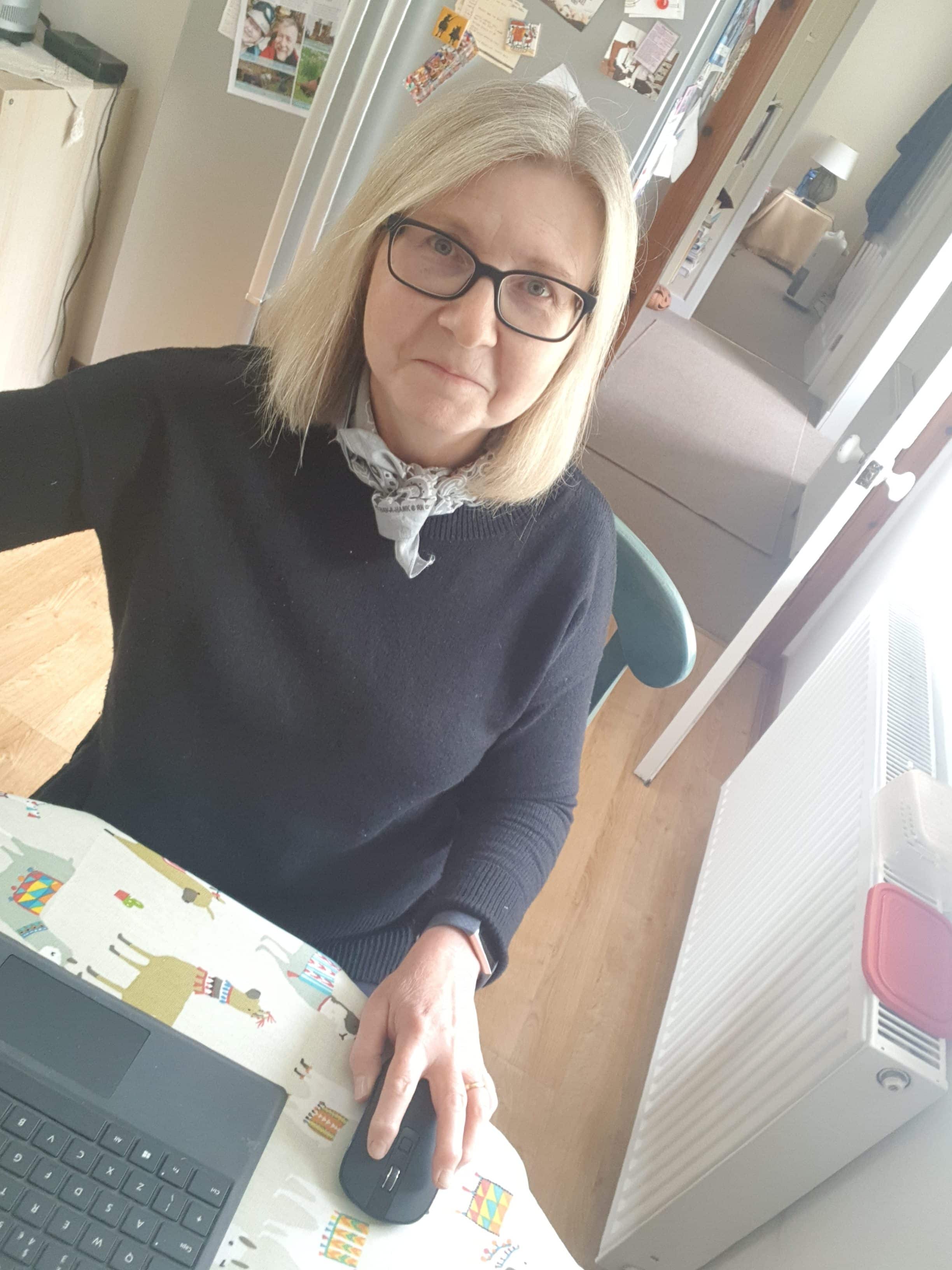
Fortunately  Bell Ingram’s flexible working policy allows me to work remotely from mum’s flat most weeks for a couple of days which gives my sister some much needed respite. Outwith the agricultural show season, which involves a lot of events management, my job as marketing manager is well suited to hybrid working. As long as I have Internet I can work from just about anywhere.

As well as the support I get from both my line manager Mark and HR manager Kirsty, I’m also a member of Bell Ingram’s Carers Group who meet every couple of months on Teams to swap information and support each other.

Here’s what an average day looks like when I’m working remotely from my mum’s:

3.30am: I set the alarm for the early hours so I can check on mum. She doesn’t sleep very well so I like to make sure that her TV hasn’t turned itself off (she loves a bit of Downton Abbey!). I freshen up her hot water bottles and reposition her pillows to make her as comfortable as possible. Mum’s often hungry so it’s not unusual to be making sandwiches or a bowl of porridge. We often look at old photos and it’s lovely to remember all the good times.

6am: Check on mum and unlock the front door to let in her caregivers.  Mum has a council care package and gets four visits a day to help with her personal care. We have a regular team of ladies on the rota, and they work in pairs.

6.30am: We’re lucky to have a small pool and gym in mum’s block of flats, so I pop downstairs for a quick swim. Exercise is important for my mental health and I enjoy this quiet time to go through my ‘to do’ list for rest of the day.

7.30am: Back upstairs to make breakfast. Usually porridge for mum, and cereal for me. She’s not a big eater these days so it’s a big win if she manages to finish her small bowl.

8am: I settle down at my home office/kitchen table to start my working day. My colleague Eleanor is an early bird as well so we kick the day off with a Teams call to go through our task list.

11am: Visit from the district nurse to take bloods. Mum currently has a vitamin deficiency (magnesium and potassium) and we need to check if the supplements are working. This is always a bit traumatic since mum finds it painful, but this time the nurse got a sample at her first attempt.

Midday: Headed out to Greggs for a frothy coffee and caramel fudge donut. Mum doesn’t have much of an appetite but can usually be persuaded by a sweet treat!

3pm: Teams meeting with the Bell Ingram Carers Group. To tie in with Carers Week we’ve invited a guest speaker from the local carers’ group in Perth.

5pm-10pm: I usually spend the evenings catching up with paperwork. My sister and I have power of attorney for mum so it’s my job to make sure all the bills are paid. Once that’s done, I tidy up, put the washing on and sort out mum’s medication for the next day. If I ask her what she wants for dinner she always says she’s not hungry, but if I make something and put it in front of her she usually manages a few bites. Tonight it was fish and chips and a bowl of strawberries.

10pm: We start mum’s bedtime routine. Arms, legs and neck are massaged with ibuprofen gel to stop cramps, pillows adjusted, medication given, lights dimmed and TV turned onto Downton Abbey. Remote control and her little bell are left within easy reach so she can ring if she needs me during the night.

[staff_member id=’3301′]