Inside the World of Forestry Management: A Journey of Growth and Sustainability

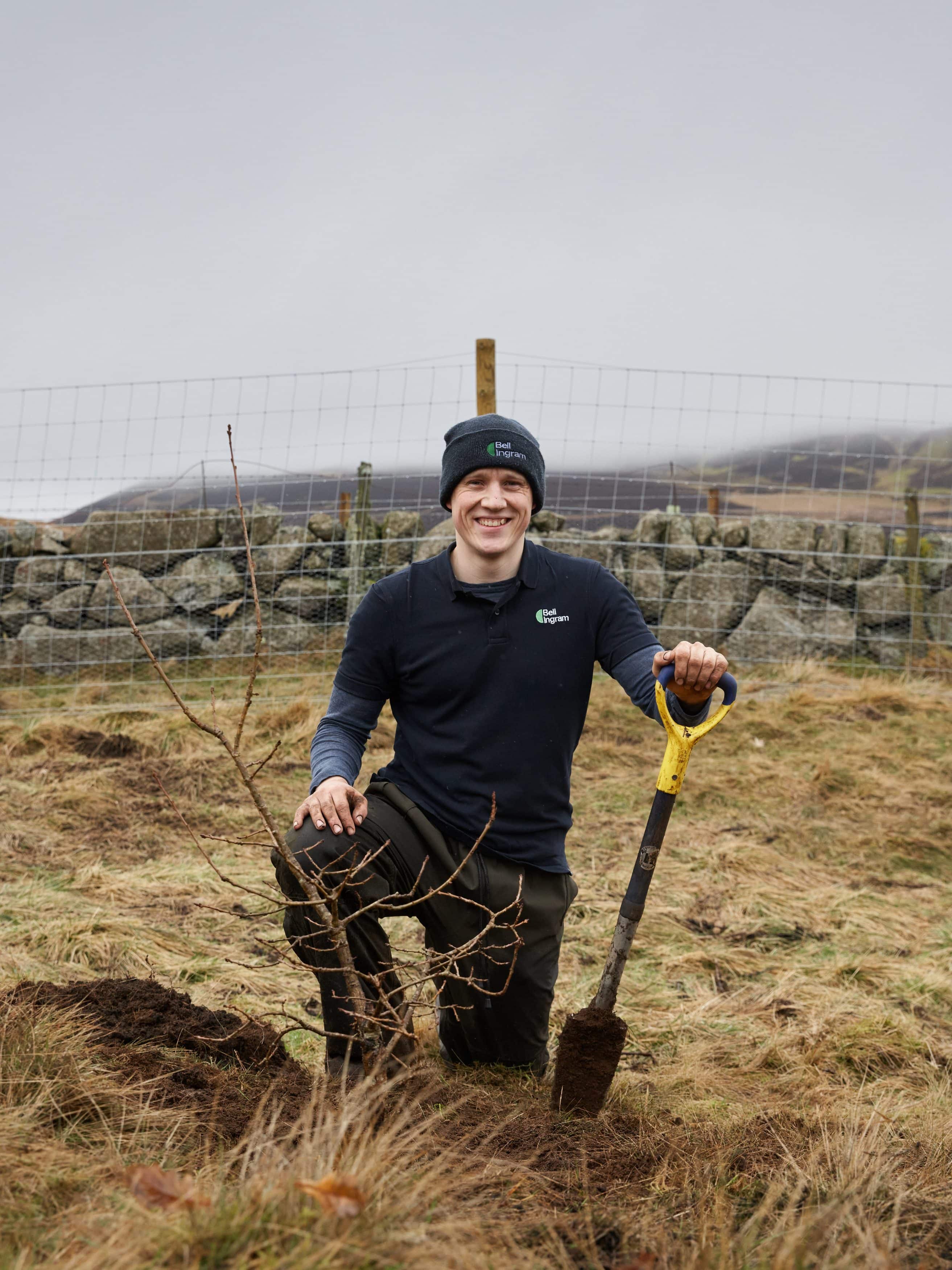
As a Forest Manager working across Scotland with various corporate and private clients, my time is primarily spent on two main activities: creating and maintaining new woodlands and managing the felling and restocking of existing ones. I enjoy a balanced mix of indoor and outdoor work. Ideally, I’d prefer to be inside during poor weather, but that doesn’t always happen! While at my computer, I focus on designing and planning woodland creation proposals, maintenance programs, and felling/restocking plans. Many of our clients seek funding from the Scottish Government to help cover the costs of woodland creation, so a significant part of my role involves ensuring that our applications meet the required criteria and scoring.

When I have the chance to work outdoors, I often scout potential areas for woodland creation on client properties. This includes identifying suitable habitats and soil types for the desired woodland goals, as well as considering any constraints that may need to be addressed during the planning phase.

How I Got Into Forestry

Eight years ago, I made a significant career change from a completely different industry. After reflecting on the kind of legacy I wanted to leave, I decided to pursue my passion for the environment, specifically woodlands. Lacking formal qualifications or training, I began volunteering on weekends with Borders Forest Trust, a charity dedicated to ecological restoration. After a year of volunteering in various roles, I was fortunate to join a local planting contractor called Treesurv, which was about to start a major planting project for Borders Forest Trust. There, I learned to plant native woodland in an ecologically sensitive manner that mimicked the natural structure and ecology of our historical ‘wildwood.’

Later, I worked with a commercial planting contractor, Telford’s Forestry, which opened my eyes to the commercial aspects of forestry and prompted me to consider a career in that sector. Eventually, I joined Forest Direct Ltd, a local forestry consultancy that emphasizes the balance between ecological benefits and production, a philosophy I still hold dear. Since then, I have taken on various roles in operational management and planning, and now I carry out all aspects of forest management for public and private sector clients at Bell Ingram LLP.

Key Projects I’m Currently Working On

A significant portion of my work—about 8%—involves providing woodland creation and forest management services for Scottish Water, which has ambitious Net Zero plans that include creating new woodlands. Most of these new woodlands are native broadleaf schemes aimed at long-term carbon storage. I also have exciting proposals for productive mixes, such as Sitka spruce combined with aspen. Key tasks for these projects include:

  • Scoping suitable ground for woodland creation

  • Assessing habitats and soil

  • Designing the new woodland to align with client objectives and site suitability

  • Preparing and submitting Forestry Grant Scheme (FGS) applications

  • Overseeing operations such as tree planting, fencing, and ground preparation

  • Managing scheme sign-off and grant funding claims

  • Maintaining the scheme, especially in the first five years, to ensure compliance with UK Forestry Standards and FGS requirements

Challenges I Face

One of the most challenging aspects of my job is the rising cost of trees, protection measures, and labor. Each year, these costs drift further from the levels supported by the Forestry Grant Scheme, putting pressure on clients’ budgets and their willingness to invest in woodland creation and management.

A Standout Project

Early in my career at Forest Direct Ltd, I managed the first phase of a planned scheme to deliver and maintain over 300 hectares of diverse productive conifers and native broadleaves over three years. This modern and forward-thinking design became the flagship scheme of the company. As a Forester at the time, I was supported in its delivery by a Forest Works Supervisor. The project came with major constraints, and I truly experienced ‘trial by fire.’ To this day, I walk through the developing woodland with immense pride, grateful for the opportunity to contribute to that scheme. Jeremy Thompson, the MD of the company, once said, “You never forget your first scheme,” and he was absolutely right.

My Professional Development

I began the Professional Development Award in Forestry Operations in 2019 but paused it to adjust from tree planter to FM Forester. Upon returning in 2022, I successfully completed the program. Rather than focusing solely on academic qualifications, I decided to emphasize work ethic, attitude, and hands-on experience in forestry. Following a structured learning program and having access to experienced tutors was rewarding, and I would recommend the course to anyone new to the forestry industry. I also enjoy reading forestry literature in my spare time, so my learning continues.

Skills from My Early Career

My three years as a planter—both in conservation and commercial roles—taught me best practices for efficiency and quality, as well as the capabilities and limitations of planting contractors. Having shared the ‘blood, sweat, and tears’ of planting has strengthened my communication with contractors and improved project planning.

What I Enjoy Most About My Job

I take great satisfaction in creating meaningful and observable changes in our landscapes. I am passionate about these changes because they benefit both the environment and the people who rely on it.

Hobbies Outside of Work

Outside of work, I enjoy bushcraft, fishing, deer stalking, hillwalking, and playing Scottish folk tunes on the Low D Whistle.

Future Career Aspirations

In the coming years, I see myself continuing to learn and grow in forestry. We foresters are all students, as there’s an endless array of related subjects to explore. I’m happiest when delivering innovative woodland creations and managing forests creatively, so I hope to have plenty of opportunities for that in the future.

Advice for Aspiring Forestry Professionals

For anyone considering a career in forestry, my advice is simple: stop considering and start doing. The industry needs more skilled individuals, and it’s a fantastic field to be a part of, filled with great people. If you’re interested in joining the sector, feel free to reach out via email at sam.guthrie@bellingram.co.uk or call 07876854226. I’m more than happy to discuss options and ideas with you.

[staff_member id=’15042′]

Broad Skillset Needed to Navigate Land, Property & Rural Development in a Changing Countryside 

At Bell Ingram’s Northwich office, we primarily act as consultant surveyors and land officers for companies like United Utilities and Scottish Power. Our main task is securing access for maintenance or new installations and negotiating damage claims or land rights through land purchases, deeds of easement, or wayleave agreements.

We also manage estates for clients such as Shell, Wain Estates, and the NDA. This involves property management, renewing tenancy and license agreements, conducting annual inspections, and offering strategic advice. Additionally, our Northwich and Kendal offices provide a range of valuation services through RICS Registered Valuers who perform Red Book Valuations.

My interest in the rural economy led me to Harper Adams University, where I earned a degree in Rural Property Management. I achieved my RICS Associate qualification in 2021 and became chartered in 2023. The RICS qualification is crucial, as it demonstrates competence and a commitment to continuous learning.

The countryside is constantly changing, and staying updated on new regulations and practices is essential. Our work spans agriculture, natural environment management, property management, and valuation, requiring a broad skill set. A major change is the mandatory Biodiversity Net Gain (BNG) requirement in planning, which affects both large and small developments. Developers must prioritise on-site solutions, though off-site options and statutory credits are also available.

Landowners are also exploring renewable energy sources like solar, wind, and battery storage (BESS). Key considerations include tax implications, managing income, land use, grid connections, and planning permissions.

One standout experience in my career so far was working as a consultant surveyor for United Utilities on a new pipeline installation. The project involved many landowners, each using their land differently. Being part of the design and construction phases gave me a sense of pride in contributing to the project’s success.

If you plan to pursue a career in land management, gaining work experience at a chartered surveying firm is invaluable. Shadowing a professional offers insight into the daily tasks and challenges of surveyors and land agents.

[staff_member id=’15040′]

From Perthshire to Shetland this Graduate Surveyor Tackles Diverse Rural Projects for Utility Clients

What does a typical day look like for you as a rural surveyor working between Aberdeen, Perth, and Angus?

There’s no such thing as a typical day! I split my time between our Perth, Aberdeen, and Forfar offices, on-site visits, and occasionally working from home. Working across different offices allows me to tap into the expertise of the wider team and get fresh perspectives on my projects. Since we handle utility projects across Scotland, one week I might be in Shetland doing site inspections, the next in Fife conducting a Record of Condition, or negotiating wayleaves in Aberdeenshire. Each day is driven by client deadlines, so it’s always varied.

How did you get into this field, and what led you to join Bell Ingram in Spring 2023?

Growing up on an estate where my parents worked – my mother as a bookkeeper and my father as a gamekeeper – sparked my interest in estate management. Dinner table conversations often revolved around what the estate’s factor advised the landowner. I enjoyed business studies in school, so I pursued a degree in Rural Business Management at SRUC, which included RICS-accredited modules. I started my career as a graduate surveyor in Dumfries and Galloway but later moved back to Aberdeenshire. During that time, I negotiated with utility companies on behalf of farmers, which made joining Bell Ingram a perfect opportunity to continue in land agency.

Can you explain what land referencing and negotiating wayleaves involve?

Land referencing involves identifying who owns a piece of land, typically for utility works like repairs, maintenance, or new installations. This is mostly desk-based, using online tools and contacting landowners to confirm boundaries. If ownership isn’t clear, we visit the site and consult with neighbouring landowners.

Negotiating wayleaves is more complex. A wayleave grants utility companies the right to work on a landowner’s property. Most landowners are cooperative once we explain everything, especially regarding compensation, but some are reluctant. In those cases, negotiation is key to finding terms that satisfy both parties.

What challenges do you face when working with clients in the utility industry?

Tight deadlines are a major challenge, especially for large projects involving multiple landowners. Since many projects are in rural areas, it’s hard to engage landowners during busy farming periods. Reaching agreements can take weeks or even months, affecting construction timelines. Balancing client needs with landowner concerns requires understanding both perspectives.

What aspects of your role do you find most rewarding?

The most rewarding part is completing a project smoothly, though problem-solving is often the real highlight. Overcoming challenges and finding solutions that work for both the client and landowner is satisfying.

How did your Rural Business Management degree from SRUC prepare you for this role?

My degree provided a strong foundation in the legal and business aspects of rural land management, particularly in working with the types of legal documents I deal with daily.

What do you enjoy most about negotiating servitudes and compensation agreements?

I love getting out on-site, especially in good weather, and meeting new people. Problem-solving is particularly rewarding, and it’s satisfying when we reach a mutual agreement that allows the project to move forward.

Any memorable experiences or projects that stand out during your time so far?

One memorable experience was a trip to Shetland. I spent four days traveling around the mainland, took my first ferry ride to Yell, and flew to Foula on an eight-seater plane. I hiked to one of our project sites, making it an unforgettable adventure.

What advice would you give to someone considering a career in rural surveying?

Get as much work experience as possible! Whether you’re at university or thinking about an RICS-accredited course, try to do internships or shadow a professional to see if it’s the right career for you.

Where do you see your career evolving in the next few years?

I plan to pass my APC next year and sit my CAAV exams. After that, I aim to continue growing my skills and expertise in rural surveying.

[staff_member id=’10079′]

Inside the Role of an Architectural Technologist: Design Collaboration, and Sustainability

A day at the Forfar office

I commute to our Forfar office twice a week, arriving at 9am. I typically start the day by catching up with my colleague Chris from the Design team before diving into my emails and prioritising tasks. My focus then shifts to my current projects, which vary in scale and complexity. Once a month, we hold a Forfar team meeting where colleagues from across departments – Design, Land Management, Agency, and Utilities – gather to discuss ongoing projects and share ideas. These meetings are invaluable for fostering collaboration and keeping up with developments across the business. We also enjoy brainstorming team-building activities, as we value socialising outside of work whenever possible. Recently, we’ve started an office badminton club, and we’re gearing up for a friendly tournament with our Perth office soon!

Path to Architectural Technology

My passion for design began with technical drawing, and I was eager to take Graphic Communication at Advanced Higher level in school. Unfortunately, my school didn’t offer that course, so I pursued Advanced Higher Art instead, where I was able to focus on landscape architecture . Determined to keep my interest in technical drawing alive, I explored university courses that aligned with my aspirations. I eventually graduated from Robert Gordon University in Aberdeen with a BSc in Architectural Technology. Since joining Bell Ingram seven years ago, I’ve taken on increased responsibilities, including managing my own projects and serving as an internal auditor.

Current Projects

My work spans everything from large-scale conservation projects, like Braemar Castle, to steading conversions, office buildings and one off residential properties. Thanks to our sizeable team, we also work on framework agreements, which add another layer of complexity and opportunity to the role. The range of experiences and the rural focus are truly unique to Bell Ingram, and it’s a big part of what I love about working here.

Adapting to Industry Changes

The industry in Scotland is undergoing significant changes, particularly in the respect to new building regulations which aim to drive energy targets to help achieve Net Zero. With a keen interest in old and traditional buildings and bringing them up to modern standards, I enjoy the challenge new regulations bring. I find it incredibly rewarding to breathe new life into rundown buildings, and it’s an area of expertise I’ve developed and look forward to continuing.

[staff_member id=’3297′]

Embrace the charm of Dervaig: Exceptional properties offering lifestyle and  business potential on the Isle of Mull

Nestled on the scenic north side of the Isle of Mull, the village of Dervaig offers an enticing blend of natural beauty, rich cultural heritage, and a slower, more fulfilling pace of life. Here, Bell Ingram presents two exceptional properties that invite buyers to embrace a lifestyle of endless possibilities: Druimard House and The Old Byre and Visitor Centre. These unique offerings are not only ideal family homes but also versatile spaces that can fulfil a range of lifestyle or business ambitions.

Druimard House and The Old Little Theatre: Victorian charm with modern comforts

(Offers Over £950,000)

Druimard House stands as a testament to the elegance of Victorian architecture. Once a country hotel, this stately residence now serves as a warm and inviting family home with four spacious en-suite bedrooms, making it ideal for a bed and breakfast or a boutique guesthouse. There’s even potential to convert the upper floor for additional family or guest accommodation, enhancing its appeal for buyers interested in a hospitality venture.

Connected to Druimard House, the charming “Potting Shed” annex has been thoughtfully reimagined as a high-quality holiday let. Its interior is a tasteful blend of modern and traditional design, creating an inviting retreat for visitors seeking to explore the magical landscapes of Mull. This annex has already captured the hearts of guests as a beloved vacation rental.

Also set within the property grounds is The Old Little Theatre, a detached cottage that pays homage to its origins as Mull’s first theatre. This quaint, self-contained building is now a beautifully furnished couple’s retreat, designed with a mix of traditional and contemporary finishes. Private seating areas outside provide a peaceful spot to enjoy views across the valley, while wildlife sightings and picturesque scenery create an unforgettable experience for guests seeking relaxation.

The Old Byre and Visitor Centre: Rustic charm meets business potential

(Offers Over £695,000)

The Old Byre and Visitor Centre present an equally captivating opportunity. This historic property, currently a vibrant visitor centre and tearoom, offers remarkable potential for creative or entrepreneurial ventures. With a spacious, character-filled stone byre and a welcoming tearoom, the property has earned a loyal following among locals and tourists alike. The ground floor hosts a cozy gift shop, while the first floor showcases Mull’s local history and wildlife – an educational treat for visitors wanting to understand the island’s cultural landscape.

For prospective buyers, The Old Byre offers boundless possibilities. Whether you envision continuing its legacy as a hospitality venue, transforming it into an artisan studio, or even converting it into a unique residence, the property provides an adaptable space that can bring any vision to life. The location, close to Dervaig’s village centre yet surrounded by nature, makes it an excellent base for eco-tourism, an artist’s studio, or even an outdoor adventure hub.

Embrace a Unique Lifestyle on Mull

These two properties present a rare opportunity to join the welcoming Dervaig community, surrounded by some of Scotland’s most breathtaking landscapes. Both Druimard House and The Old Byre are perfect for those looking to escape the fast pace of urban life and embrace a rewarding lifestyle immersed in nature, culture, and potential for creative pursuits.

To learn more or schedule a viewing, please contact Bell Ingram’s Oban office today on 01631 566 122 today and take the first step

[staff_member id=’3266′]

Planning Your Farm Sale: Why Time is Your Best Ally

As we approach the end of the busy 2024 farm sales season, it’s time to look ahead to 2025 and start planning for the year to come. If you’re considering bringing your farm to market, the sooner you begin preparing, the better. Allowing ample time for the process can be the difference between a smooth, successful sale and a rushed, stressful experience.

Timing is Everything: The Spring/Summer Advantage

Spring and summer are widely considered the optimum times to sell a farm. The warmer weather and green grass and crop in the ground makes properties more appealing, and potential buyers are generally more active during these months. However, to capitalise on this busy period, it’s crucial to start preparing well in advance. By beginning your preparations now, you can ensure your farm is ready to hit the market when buyer interest is at its peak.

The Benefits of Early Preparation

There are numerous factors to consider before bringing a farm to market, each requiring careful thought and planning. Here’s why allowing sufficient time can greatly benefit your sale:

Tax Planning: Selling a farm often involves significant financial considerations, and tax planning is a critical aspect. Consulting with your Accountant early on will give you the time to explore your options and make informed decisions that could save you a substantial amount of money.

Title Preparation: Producing titles can be a time-consuming process. Engaging with lawyers well in advance will ensure that all legal documentation is in order, reducing the risk of delays when you’re ready to sell.

Marketing Strategy: A quality marketing campaign doesn’t happen overnight. Time allows for strategic planning, including how best to package your property, whether it be selling the land in lots or upgrading residential properties to maximize their appeal. We’ve seen firsthand in 2024 how a well-planned marketing strategy can lead to successful outcomes for our clients.

Strategic Considerations for Farm Sales

When preparing your farm for sale, several key decisions need to be made:

Residential Property Upgrades: If your farm includes residential properties, consider whether upgrades or renovations could increase their value. Enhancing these properties can make your overall offering more attractive to potential buyers.

Packaging the Land: Deciding how to package and present your land is crucial. Should you sell the property as a whole, or lot the land? This decision can impact the overall sale and may require time to consider the best approach. Separating houses and cottages from the working farm can be challenging, but with careful planning, it can be done in a way that maximises value.

Understanding Buyer Priorities: While residential properties can be a significant selling point, it’s often the land and outbuildings that drive buyer interest. Understanding what buyers are looking for in your area will help you tailor your offering to meet market demand.

Start Planning Now for a Successful 2025 Sale

The earlier you start planning your farm sale, the better positioned you’ll be to achieve a successful outcome. Whether it’s engaging with Accountants and Lawyers, strategising your marketing campaign, or making decisions about property upgrades, time is your best ally. By taking the necessary steps now, you’ll be ready to enter the market at the optimal time and attract the right buyers.

For more information about Bell Ingram’s Farm Sales service, contact our Head of Farm Sales, Malcolm Taylor, on 01307 462516 or email malcolm.taylor@bellingram.co.uk.

[staff_member id=’3372′]

From Clarkson’s Farm to your fields: Understanding the vital role of Land Agents

Thanks to his hit Amazon show Clarkson’s Farm, Jeremy Clarkson has given viewers a unique insight into the daily operations of his 1000-acre (400 ha) farm near Chipping Norton in the Cotswolds.

Fans of the programme will also recognise Jeremy’s Land Agent and Advisor, Charlie Ireland, affectionately nicknamed “Cheerful Charlie” due to Clarkson’s playful jabs at his often serious demeanour.

Charlie Ireland offers Clarkson invaluable advice on when to plant and harvest crops and how to budget for the farming year. He is a wellspring of knowledge and often the bearer of bad news when things go awry.

Rob Whitson, Bell Ingram’s Head of Rural Land Management, says: “As a firm of land managers operating for 125 years, we understand the challenges farmers and landowners face. We’re pleased that Clarkson’s Farm has brought the role of Land Agents into the public eye. This show has helped highlight the importance of our profession and advocate for our farming clients to receive the recognition they deserve.

“The programme has shone a spotlight on our profession, and thanks to Charlie Ireland, people have a better understanding of what a Land Agent actually does. Hopefully, this insight will also encourage more people to consider careers in rural land management.”

If you are thinking of employing a Land Agent or want to learn more about a potential career, here’s everything you need to know about it …

  1. What is a Land Agent?

A Land Agent, also known as a Land Manager, is a professional responsible for the management, valuation, and development of rural land and estates. They offer expertise in a variety of areas including agriculture, forestry, land conservation, property management, and land transactions.

  1. What are the primary responsibilities of a Land Agent?

The main responsibilities include:

  • Estate Management: Overseeing the day-to-day operations of rural estates, including agricultural activities, forestry, and game management.

  • Property Management: Managing buildings and infrastructure on the estate, ensuring they are maintained and let out appropriately.

  • Land Transactions: Assisting with the buying, selling, and leasing of land and property.

  • Valuations: Conducting valuations for sales, purchases, and financial purposes.

  • Legal and Regulatory Compliance: Ensuring that all activities comply with relevant laws and regulations, including environmental and planning laws.

  • Advice and Consultancy: Providing strategic advice on land use, conservation, and diversification opportunities.

  1. What qualifications are required to become a Land Agent?

Typically, a Land Agent will have:

  • A degree in a relevant field such as rural land management, agriculture, forestry, or environmental science.

  • Professional qualifications from bodies such as the Royal Institution of Chartered Surveyors (RICS), The Central Association for Agricultural Valuers (CAAV) or the Scottish Agricultural Arbiters and Valuers Association (SAAVA).

  • Practical experience through internships or junior positions within land management firms or estates.

  1. How do Land Agents assist with agricultural management?

Land Agents provide support in:

  • Crop and livestock management.

  • Implementing sustainable farming practices.

  • Advising on government grants and subsidies.

  • Ensuring compliance with agricultural regulations.

  1. What role do Land Agents play in forestry management?

In forestry management, Land Agents:

  • Develop and implement forest management plans.

  • Oversee planting, thinning, and harvesting operations.

  • Ensure compliance with environmental regulations.

  • Advise on grants and incentives for woodland creation and management.

  1. Can Land Agents help with land conservation?

Yes, Land Agents play a crucial role in:

  • Identifying and protecting areas of environmental significance.

  • Implementing conservation strategies.

  • Managing habitats and biodiversity.

  • Applying for conservation grants and funding.

  1. How do Land Agents contribute to property management?

They manage residential, commercial, and agricultural buildings by:

  • Letting and leasing properties.

  • Overseeing maintenance and repairs.

  • Managing tenant relations.

  • Conducting property valuations and ensuring compliance with safety regulations.

  1. What is involved in the valuation work of a Land Agent?

Valuation work includes:

  • Assessing the value of land, property, and natural resources.

  • Preparing valuation reports for sales, purchases, or financial purposes.

  • Conducting market analysis and forecasting trends.

  1. In what ways do Land Agents interact with legal and regulatory frameworks?

Land Agents ensure compliance with:

  • Environmental and wildlife protection laws.

  • Planning and development regulations.

  • Health and safety standards.

  • Agricultural and forestry policies.

  1. How can a Land Agent help with land development?

They assist in:

  • Planning and executing development projects.

  • Navigating planning permission processes.

  • Advising on land use and planning laws.

  • Conducting feasibility studies and impact assessments.

  1. What strategic advice do Land Agents offer?

Land Agents provide guidance on:

  • Diversification of estate activities (e.g., tourism, renewable energy).

  • Long-term estate planning and sustainability.

  • Financial management and investment strategies.

  • Enhancing the economic viability of rural businesses.

  1. Why might an estate owner in Scotland hire a Land Agent?

An estate owner might hire a Land Agent to:

  • Optimise the management and profitability of their estate.

  • Ensure compliance with complex regulatory frameworks.

  • Access expert advice on land use, conservation, and development.

  • Delegate the management of everyday operations to a professional.

Get in touch

Bell Ingram’s team of RICS Chartered Surveyors and Land Agents offers comprehensive management services to private and corporate clients, overseeing hundreds of thousands of hectares across the UK, from prime arable land to high hills. Our professionals also serve utilities, telecoms, mining, renewables, and local authorities.

You are very welcome to visit our offices and discuss your requirements with a Bell Ingram expert. For opening times and availability, please check our website. It’s best to call or email in advance to ensure someone is available to assist you.

Rob Whitson, our specialist in Rural Land Management, welcomes confidential discussions about your needs. For enquiries, please contact Rob Whitson at 01463 717799.

[staff_member id=’3405′]

Balancing the challenges and joys of land ownership

By Rob Whitson, Head of Rural Land Management

If you imagine owning a Highland estate is all about strolling through blooming heather with a pack of black labradors, you’re in for a reality check!

Land management in Scotland is under intense scrutiny like never before, with the Scottish Government’s framework emphasising community-focused principles for land ownership and use. Modern owners must manage their land to provide lasting economic, social, and environmental benefits to the community. While many landowners enjoy the privilege of living in this unique environment, they also face a complex and growing array of administrative and legislative demands.

The pandemic added to these challenges, bringing a surge of visitors escaping towns and cities to walk, cycle, ride, paddle, and camp. While most visitors are responsible, landowners have seen an increase in dog mess, litter, gates left open, and fly-tipping. It’s crucial to communicate that the countryside is also a home and workplace for people and wildlife, and visitors must act responsibly to avoid causing damage or inconvenience.

Despite these challenges, land ownership can still be more pleasure than pain. Bell Ingram’s land managers assist a wide range of clients, from sporting and mixed estates to farmers and crofters, in dealing with ever-changing rules and regulations. Whether it’s heather management, predator control, or improving land amenities, we support our clients in staying ahead of legislative changes.

Time is a finite resource, and while you can’t add more hours to the day, you can engage an agent to help manage the challenges of land ownership. This partnership allows you to enjoy your land without being bogged down by its demands. Clear communication and trust built through shared experiences are key to a fruitful relationship between landowner and agent.

Bell Ingram oversees hundreds of thousands of acres for a diverse portfolio of clients, ensuring they maximise their assets while complying with ever-evolving rural management requirements.

[staff_member id=’3405′]

Market Overview: Continued Demand for Rural Land

Demand for land remains high across the rural property spectrum, from standalone, working farms right through to small parcels and pony paddocks.

In coastal Angus, prime arable land can reach up to £20,000 per acre, reflecting the area’s high yielding soils for crops, fruit and vegetables. Secondary arable and temporary grassland prices have seen slight increases over the last two years, while poorer quality parcels remain stable.

While there’s been a decrease in land brought to the open market, private deals continue as neighbours are quietly approached and take up what may be a “once in a lifetime” opportunity to buy the land next door. Interestingly, estates like The Crown are selling to sitting tenants, boosting owner occupation and further reducing areas held under tenancy.

The Scottish estate market has seen private deals continuing, though natural capital buyers and forestry investment companies are quieter compared to a few years ago, with the heat in the market not quite what it was in 2023. Political factors are influencing traditional Scottish sporting estates, with deer management requirements, Muirburn limitations, and the potential for grouse shoot licenses affecting freedom of ownership.

Stalking estates are adapting to increasing deer numbers, with good larder facilities becoming essential. On the rivers, poor catches exacerbated by drier summers in some areas could impact salmon values and rental figures for fishing estates.

Forestry, as always, still offers tax benefits, but demand for new planting land has slowed, leading to reduced prices from the highs of 2022. Significant delays in approval processes in Scotland are affecting initial cash flows, while existing commercial woodland properties remain in demand, albeit with declining values. The future will see more stable returns than the highs of recent years for both the forest asset and the timber produced. At a local level, small amenity woods remain popular and increasingly community purchases reflect the general population’s interest in nature.

In the North of England, land values remain relatively steady, with ongoing activity across the region. It is certainly fair to say that higher UK interest rates and economic uncertainties globally have tempered premiums over guide prices across all sectors of the property market in the UK.

[staff_member id=’3390′]