Thinking of buying a croft? It’s important to do your homework and consult an expert

TV programmes like Amanda Owen’s ‘Our Yorkshire Farm’ and Ben Fogle’s ‘New Lives in the Wild’ have tapped into a national obsession with self-sufficient lifestyles ‘off-grid’ living.

So much so that even during lockdown, farm and crofting properties are generating a high level of enquiries as soon as they come onto the market.

But for those seeking the rural idyll, does the romantic notion of swapping city life for a sheep farm in the Dales or living in a white-washed croft house on a west coast bay live up to the reality?

Bell Ingram’s resident crofting expert Ian Blois says: “It can do, but it’s not always straightforward and prospective crofters need to be aware of a number of points when buying a property which could be restricted by crofting legislation.”

He continues: “Increased interest in crofting properties during the Covid lockdown has been prompted partly by lower property prices and partly by a genuine consideration of escaping to the country and leaving behind the stresses of city living. Working from home is now a reality for many people and with good broadband, connectivity to a business or employment anywhere in the world is now possible amidst the freedom and slower lifestyle of the Highlands.

Based in Bell Ingram’s Beauly office, Ian has worked with Estate Agency colleagues advising potential crofters for over ten years and reckons that a working knowledge of crofting legislation almost comes as standard if you are a rural professional living and working in the Highlands.

He adds: “While the rules and regulations around crofting aren’t particularly complicated, like most things of this nature there are certainly a few pitfalls that could trap the unwary, and it’s sensible to do your homework and consult an expert.”

Here’s a number of points you might want to consider if you are thinking of buying a croft:

What is a croft?

Crofting is a system of landholding which is unique to Scotland and is an integral part of life in the Highlands & Islands. A croft is legally any small land holding, which is registered as a croft by the Crofting Commisson and therefore subject to crofting legislation. The croft may or may not have a house or farm buildings associated with it and there is no size limit. Currently Bell Ingram have a number of crofts for sale ranging from a 1.6acre croft near Oban to 127 acres of farmland near Lairg in Sutherland.

Where are crofts located?

There are 21,186 crofts entered on the Crofting Commission’s Register of Crofts (ROC) of which 15,137 are tenanted and the remainder are owned. These crofts are located within the traditional Crofting Counties of Argyll, Caithness, Inverness, Ross & Cromarty, Sutherland, Orkney and Shetland, or in one of the newly designated crofting areas – Arran, Bute, Greater and Little Cumbrae, Moray.

How much does it cost to buy a croft?

This depends of a number of factors, including location, land quality and whether the sale includes a croft house. For example, a croft (with a croft house) in a desirable area like the Black Isle with good transport links to Inverness is likely to fetch a higher price than a property without a croft house in a more remote location.

What is the legal position if I buy a croft?

There are two possible scenarios when you buy a croft and these should be apparent in the sales particulars. The croft may be classed as owner-occupied, in which case you would be buying the land and the crofting tenancy, which is the right to farm the land. Or, in some cases, the ownership of the land is not part of the sale and you would be buying the assignation or tenancy of the croft, which is just the right to farm the land.

What are my rights and responsibilities if I buy a croft?

Owning a croft is not the same as owning an ordinary regular home or farm because the use of the land is regulated by the Crofting Acts. Whether you become an owner-occupier or just the tenant, in both cases you must comply with certain duties imposed on you by the crofting legislation. These are:

#1 A duty to be a resident on, or within 32 kilometres of, the croft.

#2 A duty not to misuse or neglect the croft.

#3 A duty to cultivate and maintain the croft or to put it to another purposeful use.

If any of these rules are breached, the Crofting Commission have the statutory powers to terminate the tenancy and allocate the croft to someone considered to be more suitable. This applies even if you own the croft, so it is important that prospective buyers understand the commitment they are making.

Can I buy a croft house without any land?

A “croft” house is not necessarily a croft. If a house is being sold without land, it is unlikely to be subject to crofting legislation which applies mainly to land. In this case, normal property laws apply and you can use it as a second home or let it out as a holiday cottage.

If a registered croft is being sold with a house, the house and garden has often been de-crofted which means that while the land remains under crofting tenure, the house is no longer subject to crofting legislation. This can be important if the buyer needs a mortgage as lenders will only offer financial assistance if the house is free of crofting legislation.

Making an Offer

If you are serious about buying a croft, speak to the selling agent and your solicitor to make sure you are fully aware of what it will mean to become a crofter. It is usual to make a formal offer subject to getting approval from the Crofting Commission. This means that if your offer is accepted, you will then make an application to the Crofting Commission to be approved as the tenant of the property. This is likely to be successful as long as you intend to live permanently on the croft or at least within 19 miles of it and to actively farm the land. Once approved, your offer to buy will be completed.

Still Confused?

If you have found you dream house on an internet search and you find that crofting is mentioned, please do not be discouraged. Just give us ring at either our Beauly or Oban office and someone will be pleased to answer all your questions. It’s not as complicated as it sounds.

Useful links:

Crofting Commission www.crofting.scotland.gov.uk

Citizen’s Advice www.citizensadvice.org.uk

Shelter Scotland www.scotland.shelter.org.uk

[staff_member id=’2666′]

Article posted on 01/11/2021

5 top tips if you are plotting your dream move to the country

Bell Ingram Design Architect Murray Fleming shares his 5 top tips for things to consider when plot hunting:

Readers of a certain vintage will remember 1970s’ sitcom The Good Life which chronicled the adventures of Tom (Richard Briars) and Barbara (Felicity Kendal) Good as they embraced a life of self-sufficiency in their home in Surbiton.

And this desire to create a ‘good life’ has been one of the enduring property trends of the last 50 years with the current pandemic only increasing the demand for house plots as many people reassess their priorities in favour of building a better quality of life in the countryside.

So, if you are thinking of swapping city living for the rural idyll, Bell Ingram Design Architect Murray Fleming shares his 5 top tips for things to consider when plot hunting:

  1. Where is the sun?

One of the great benefits of designing a new house on your own plot of ground is the opportunity to take advantage of the sun as it moves through the day and to simply enjoy the pleasures of a light filled house. Whether it be the morning sun in the kitchen or a view of the setting sun from the living room, good house design begins with designing around the sun ‘path’.

However it is not a simple as north facing site = bad and south facing = good, it is much more a matter of the surrounding topography and how that affects how the sun reaches the site. A north facing site may actually benefit from sun throughout the day if there are no obstructions and a south facing site may not see any sun if its path is obstructed by trees or a large hill immediate to the south.

Try and visit the site at different times of the day to find out when the sun first hits the plot and when it dips below the horizon at the end of the day. Then, taking account of the time of year, an assessment can be made of how this will vary during the year, as the sun path from winter to summer varies enormously at our northern latitudes.

  1. Where are the utilities?

Not so glamourous, however as many sites in the countryside are sold with no utilities, an assessment of the cost of bringing in water and electricity, and dealing with sewage is crucial to understanding the ‘real’ cost of the project.

A site that seems like a good buy at first can quickly become a money pit if the cost of running in each of the utilities is exceptional due to long distances for water/electricity, or poor ground conditions for a sewage system soakaway. Watch out too if no water supply is available and the only option is an expensive and uncertain water ‘borehole’.

  1. Where are the underground services?

While bringing services a long way into a site can be expensive, dealing with services already on site, but which are in the ‘wrong’ place, can be equally problematic, whether it be a water main running across the plot (which can be the case even in an apparently remote location) or overhead electricity or BT lines.

There are several companies that can supply this information for a fee, however local knowledge is equally invaluable, and a short chat with a long-time neighbour of the site could save you thousands!

  1. Where are there planning conditions?

Most house sites will be sold with either ‘Planning in Principle’ or full ‘Detail Approval’ and both are likely to have ‘conditions’ attached which you will be required to comply with. These can vary from a requirement to carry out protected species surveys to archaeological ‘watching briefs’ or simply forming a new vehicular entrance from the public road to meet the current local council standards.

While many conditions may have no cost implications, the above examples could prove expensive and so making a careful assessment of the potential costs and indeed risks of any planning conditions is an essential part of plot assessment.

  1. Where is the love?

Buying a plot of land and designing our own house is a dream for many of us, and it’s not as complicated as it might first appear! But, before you make that life changing purchase, ask yourself: “Do I love this site? For better, for worse? For richer for poorer? ‘Til de … well hopefully not that part!” And if the answer is YES!, come and speak to us at Bell Ingram Design and we can help make your dream come true.

Start planning your dream home by checking out the plots for sale on our website www.bellingram.co.uk or contacting Murray Fleming by ringing our Beauly office.

[staff_member id=’3264′]

Article posted on 01/11/2021

We don’t look at the clock … that’s the beauty of Ardnamurchan

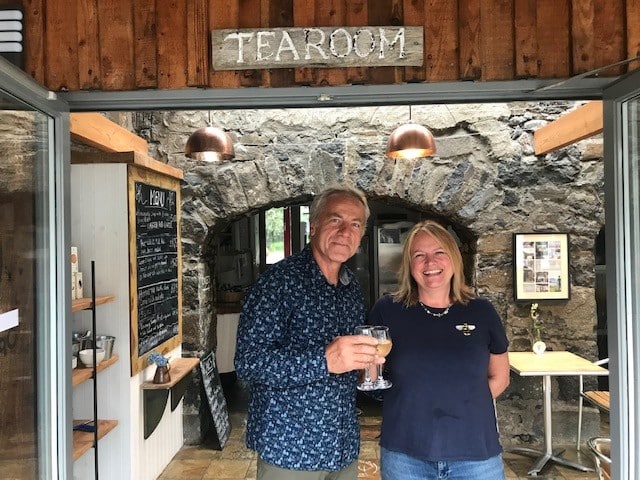
When Richard and Vicky Pollock decided to holiday on the West Coast of Scotland, they were looking for an escape. Having lived and worked in some of the UK’s busiest cities, a peaceful change of pace was in order. Little did they know that their trip north would take them on a journey to a new life.

“Six years ago we went on holiday to Scotland and discovered Ardnamurchan,” says Richard. “To get there, it’s a single track road which is 35 miles one way and far away from Route 500. People don’t stumble upon Ardnamurchan, they seek it out.

Richard and Vicky instantly fell in love with the place. “The beautiful surroundings, incredible wildlife, friendly community and the relaxing way of life really appealed to us.”

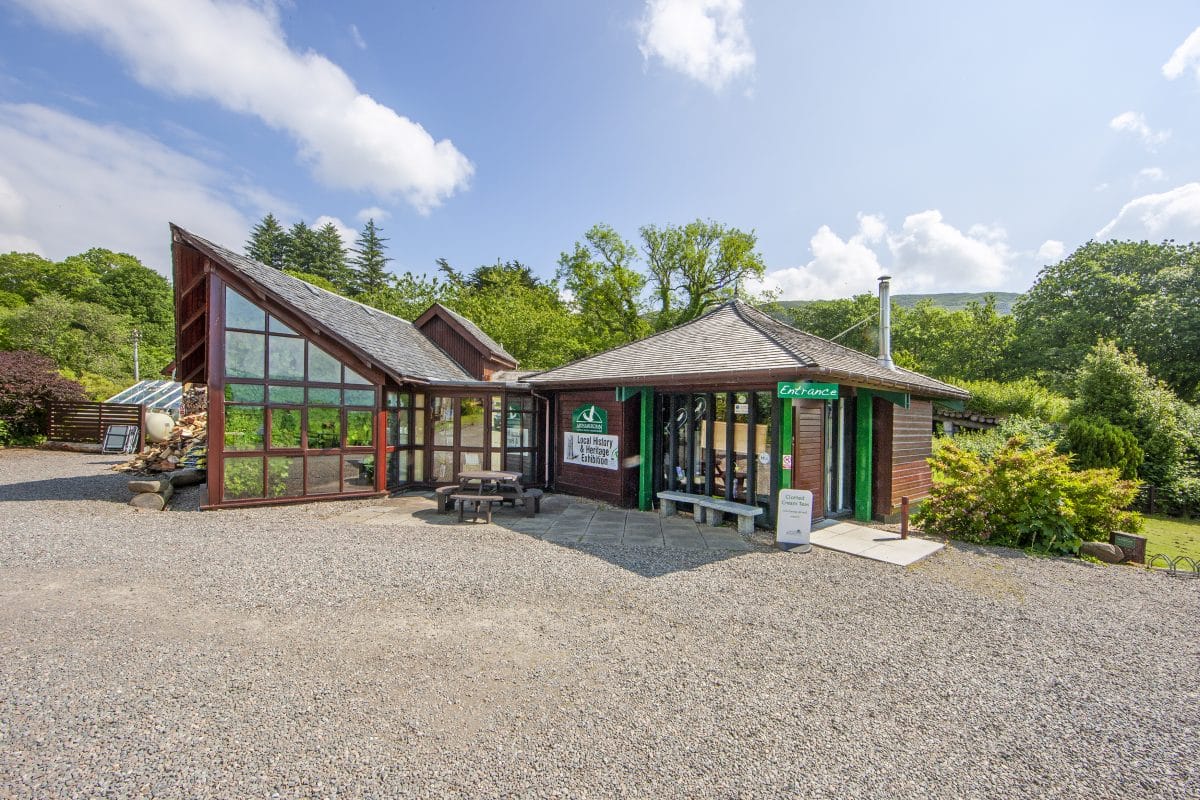
At the time, they were looking for a second home. Then, when the Ardnamurchan Natural History Visitor Centre came onto the market, it proved an easy decision for the couple to relocate. “After working in London, you reach a point where you want to leave the rat race, the pollution and find somewhere to escape to. People who come here can get away from the hustle and bustle, and that’s exactly what we did.”

Running the visitor centre and a coffee shop has never felt like a job to Richard and Vicky. “It really isn’t work at all talking to customers and making friends. We don’t look at the clock. We often don’t know the time or even the date. That’s the beauty of Ardnamurchan.”

The couple have built lasting friendships in the area too with many locals coming to visit for coffee and a catch-up every week. “It’s a real community hub. The people here are wonderful and so welcoming. It’s not always like that when you move to a new place, so it’s very special here in that way.”

Closing every year from the end of October until just before Easter means Richard and Vicky can take the time to visit friends and family during the off-season. In the past, they have travelled abroad, exploring the world during the winter months, but have always been ready to return home. “Where we are in the world, it would never beat Ardnamurchan. It’s an absolutely stunning place to be.”

Now looking to retire fully, Richard and Vicky are selling the visitor centre and home, but have no intention of leaving the area – they couldn’t imagine being anywhere else now.

They are hoping that another couple looking for an escape to a more peaceful and relaxed way of life will take the opportunity to take over the business. “We’re not just selling the business. We are selling a lifestyle – a way of life. People really need to come here and experience the place and the way of life to fully appreciate how beautiful it is.”

Ardnamurchan Natural History Visitor Centre is on the market at the guide price of £575,000. For more information or to arrange a viewing contact Andrew Fuller on 01631 566 122 or email andrew.fuller@bellingram.co.uk

Article posted on 29/10/2021

Is there anywhere else in Scotland you can finish your day with a swim in the Atlantic?

There are few places in Scotland or, in fact, in the world, more breathtaking to see than the coastline along the Isle of Mull. Matthew and Julia Reade have been admiring the spectacular view for over three decades.

As the owners of Calgary Café on the north-west point of the island, the Reade family have been welcoming visitors to this exceptional spot to soak up the landscape, wildlife and sense of peacefulness for the past 34 years.

Now, after many joyful years, Matthew and Julia are retiring and selling the business. “We felt it was the right time to give somebody else the opportunity to live and work here,” says Matthew. “We’re not moving far as we’ve built a house nearby overlooking the bay. We couldn’t imagine living anywhere else.”

When Matthew ventured to Mull as a teenager, he had no idea the lifelong connection with place he was about to forge. “I grew up working on a dairy farm in Somerset,” says Matthew. “When I was about 16, my father sent me and my brother to start a dairy farm on Mull. Then I met Julia and eventually we bought Calgary Farmhouse together.”

A derelict farm originally, Matthew and Julia renovated the space into a seven-bedroom hotel and restaurant, combining Matthew’s passion for woodwork and sculpture for the furnishings and Julia’s catering background for the restaurant. “We were accidental hoteliers,” Matthew remembers. “I was 22-years-old and had barely any experience of staying in hotels, so it was a real learning curve.”

After 22 years as a hotel and restaurant, and once their two sons, Tom and Charlie, were older, Matthew and Julia converted the hotel into self-catering accommodation. The one constant has been their café. “It’s a very busy spot,” says Matthew. “We welcome a lot of day trippers and many people who return to Mull every year. There’s people who have been coming here all the years we have been here.”

Right next to the Calgary Café is Calgary Art in Nature, a popular woodland trail featuring sculptures that celebrate the beauty of nature. Even on a wet day people come to enjoy the Art in Nature trail which brings many visitors into the café.

Situated next to the beach, Matthew says its one of the best places for a family to live. “Our boys grew up here with the beach on our doorstep which they just loved. We employ seasonal staff in the summer and when they finish a shift they run down to the beach and swim in the sea. Is there anywhere else in Scotland you can finish your day with a swim in the Atlantic?”

The Reades are excited to see what the next owners of Calgary Café do. “It doesn’t necessarily need to be a café,” Matthew adds. “It could be a licensed restaurant, or a yoga retreat, or a recording studio. It’s such a versatile space.”

Calgary Farmhouse is on the market at offers over £395,000 and the Licenced Tearoom (which includes three letting properties and staff accommodation) is for sale at offers in the region of £575,000.

For more information or to arrange a viewing contact Andrew Fuller on 01631 566 122 or email andrew.fuller@bellingram.co.uk

Article posted on 29/10/2021

We can’t wait to see what adventures the next owners of Barmore Farm go on

When listening to Graeme and Liz Scott talk about Barmore Farm, their home and business for the past 36 years, it’s a story of family, hard work and an unwavering passion for the building and its history.

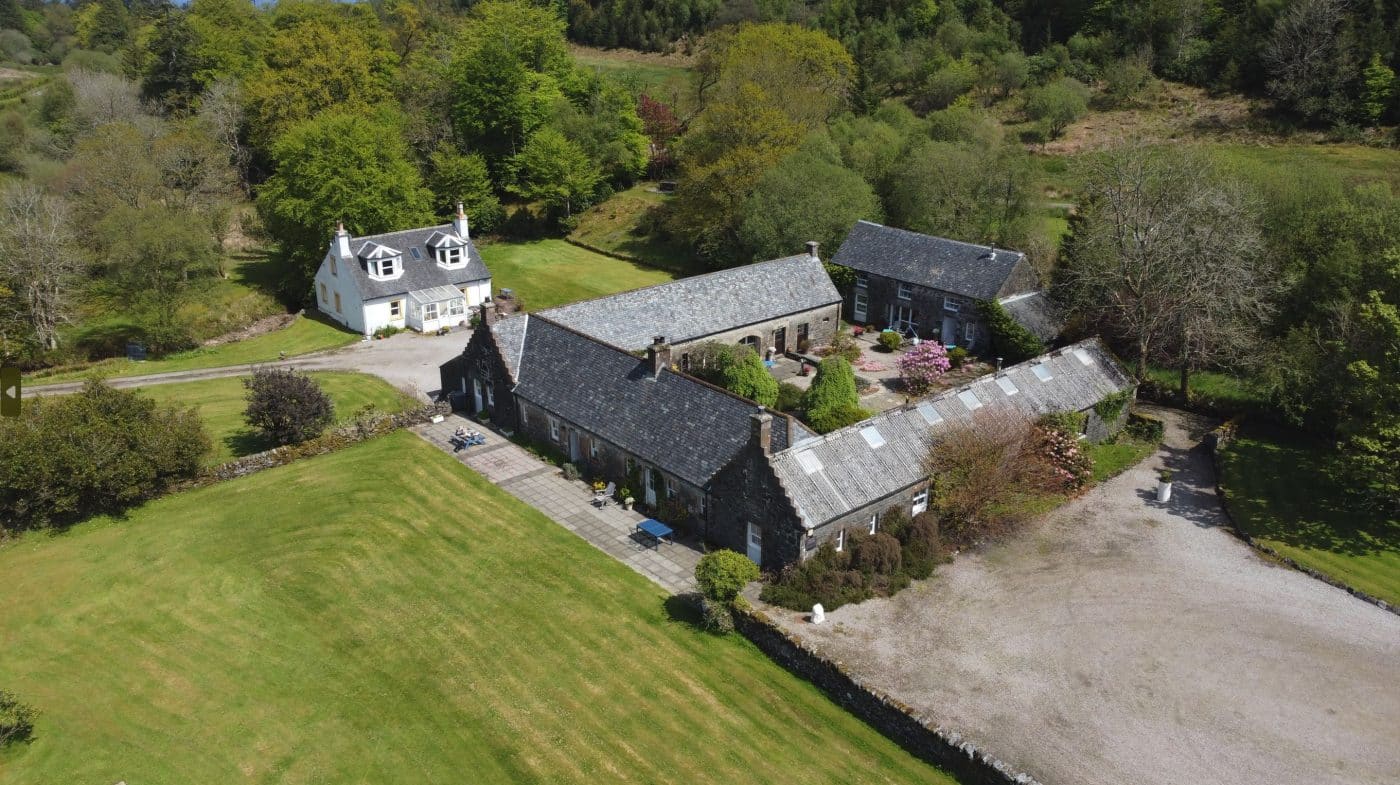
A stunning converted farm steading and detached residential cottage with five premium development plots sitting in 10 acres of land near the popular coastal village of Tarbert, Graeme and Liz originally bought Barmore Farm 1983 when they worked at nearby Stonefield Castle.

The buildings were derelict at the time, having not been inhabited in over 50 years. Since then, the couple have redeveloped the steading, from digging the floors out to insulating the two feet thick walls. In the early days they opened a restaurant before developing the business into six beautiful self-catering cottages, each completely unique from the next, which they let today.

“The steading is a listed building featuring the same sandstone as Stonefield Castle,” says Graeme. “In the courtyard you can see it was a dairy farm and we haven’t changed anything. Externally, it is still as it would have been in the late 18th into early 19th century.”

Graeme and Liz raised their family at Barmore and have many fond memories of living there. “We’ve been here for 36 years which tells a story in itself,” Graeme continues. “We’ve spent a huge amount of our lives here. Our children went to the excellent school nearby in Tarbert and had a wonderful childhood here. For kids, it’s absolutely idyllic.”

Now, after more than three decades at Barmore Farm, Graeme and Liz are looking to retire, but aren’t going far. “We love the area, always have, so we are planning to build a new home nearby,” adds Graeme. “It’s time to take things a little easier and enjoy spending more time with our young grandchildren.”

They are excited to see what the next owners do with the space. “Being older now, we can see a younger individual or couple really seizing an opportunity here,” Graeme concludes. “There’s so much potential. As self-catering holiday lets, the occupancy rates are extremely high, so somebody could walk straight in and continue that, but it really is a blank sheet for whatever anyone wants – it’s all there. We can’t wait to see what adventures the next owners of Barmore Farm go on.”

For sale with Bell Ingram at offers over £1,100,000, for more information or to arrange a viewing contact Andrew Fuller on 01631 566 122 or email oban@bellingram.co.uk

Article posted on 29/10/2021

Barn conversion is a dream home with sea views from the garden and close to the stunning beaches of Isle of Lewis

The Barn at Reef is an exceptional coastal property located in a quiet and rural location on the West coast of the Isle of Lewis.

Build on the original footprint of a traditional blackhouse, The Barn is a beautifully presented two-bedroom cottage which has been upgraded and renovated to the highest standard, with solid oak floors and large Velux windows giving a bright and airy feel to the property.

Although The Barn is currently operated as a successful self-catering cottage, it could be returned to its original use as a family home.

The property is accessed via a bespoke front door created by Treecraft Woodwork which leads to the hallway giving access to the kitchen, bathroom and two bedrooms. To the right of the hall is the kitchen which has an excellent range of country style floor and wall units with wooden worksurface with inset Belfast sink. There is a stylish breakfast bar with ornate wooden top. Dual aspect windows look to the front and rear and a glazed door opens to a decking area.

A door leads to the sitting room which has a stone clad feature wall and a focal point of a Charnwood multi-fuel stove sat on a slate hearth. Completing the accommodation is the modern bathroom which has a two-piece suite in white comprising WC and wash hand basin. There is a large walk-in shower with powerful drench head shower and wet wall panelling for easy cleaning.

Externally, the garden to the front of the cottage has views towards the Harris mountains and Loch Roag. The Barn’s elevated position ensures that it is in full sun all day and, by afternoon, the back garden acts as a perfect suntrap where you can sit out on the decking and watch the sun go down in the West. There is a block built shed/workshop and wooden log/bike store which both have electricity.

On the market with Bell Ingram for offers over £250,000, for more information or to arrange a viewing contact Joanne Stennett on 01463 717799 or email joanne.stennett@bellingram.co.uk

Article posted on 29/10/2021

Elegant 11-bedroom Victorian villa with extensive gardens and views over the River Tay, in a sought-after Perth city location

Sunbank House is an exceptional Victorian property located in a prime elevated position in one of the most desirable addresses in the Fair City of Perth.

Dating from 1846, Sunbank House was originally built as a fine family home and was sympathetically extended in 1994 adding a further wing which mirrored the original part of the house. The high level of workmanship resulted in it winning a number of awards within the sector. Although Sunbank House is currently operated as a successful small private hotel, it could be returned to its original use as a family home.

The configuration of Sunbank House is currently laid out to allow it to operate as a licenced Hotel. The rooms are finished to a beautiful standard in keeping with the quality and history of the property.

The main public rooms overlook the front gardens as do two of the ground floor bedrooms. There is a third ground floor bedroom and these three bedrooms have en suite facilities. There are a number of service areas including the kitchen, laundry and an office.

On the upper floor are the remaining eight bedrooms, six of these have en suite facilities and there is a separate bathroom. Externally, the beautiful garden grounds at Sunbank are mainly to the front, with well-maintained lawns and shrubs and trees. To the rear the property is surrounded by a stone wall enclosing a parking area which can accommodate up to 12 vehicles.

On the market with Bell Ingram for offers over £850,000, for more information or to arrange a viewing contact Carl Warden on 01738 621 121.

Article posted on 29/10/2021

Glendoe Hydro Electric Scheme

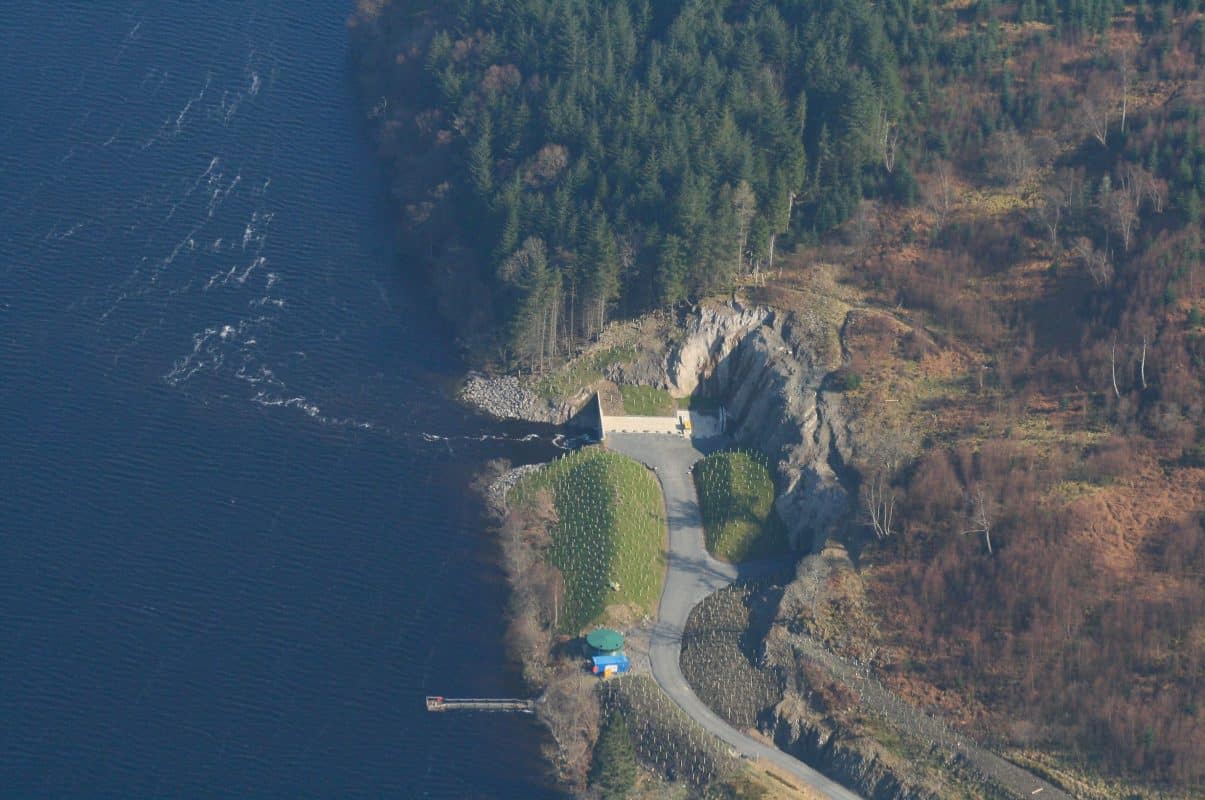
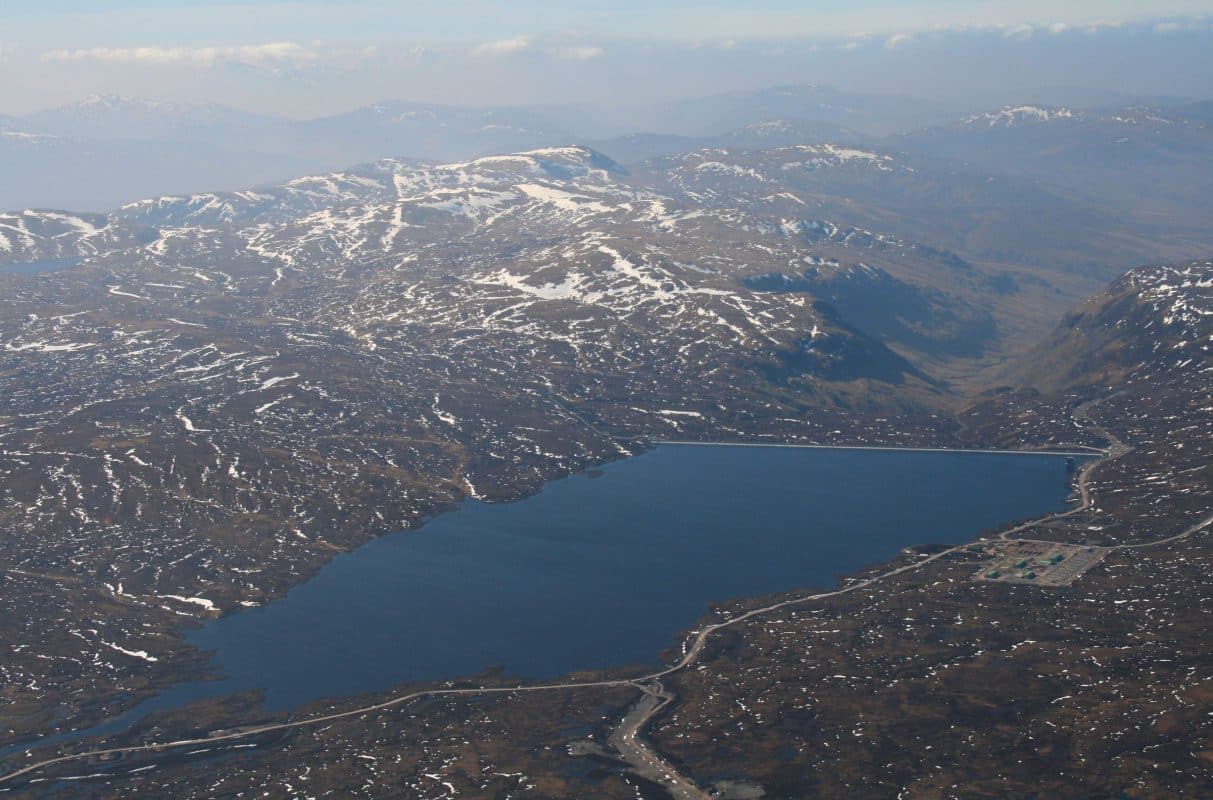
Negotiating terms for landowners hosting a major SSE Hydro scheme including new reservoir.

Brief

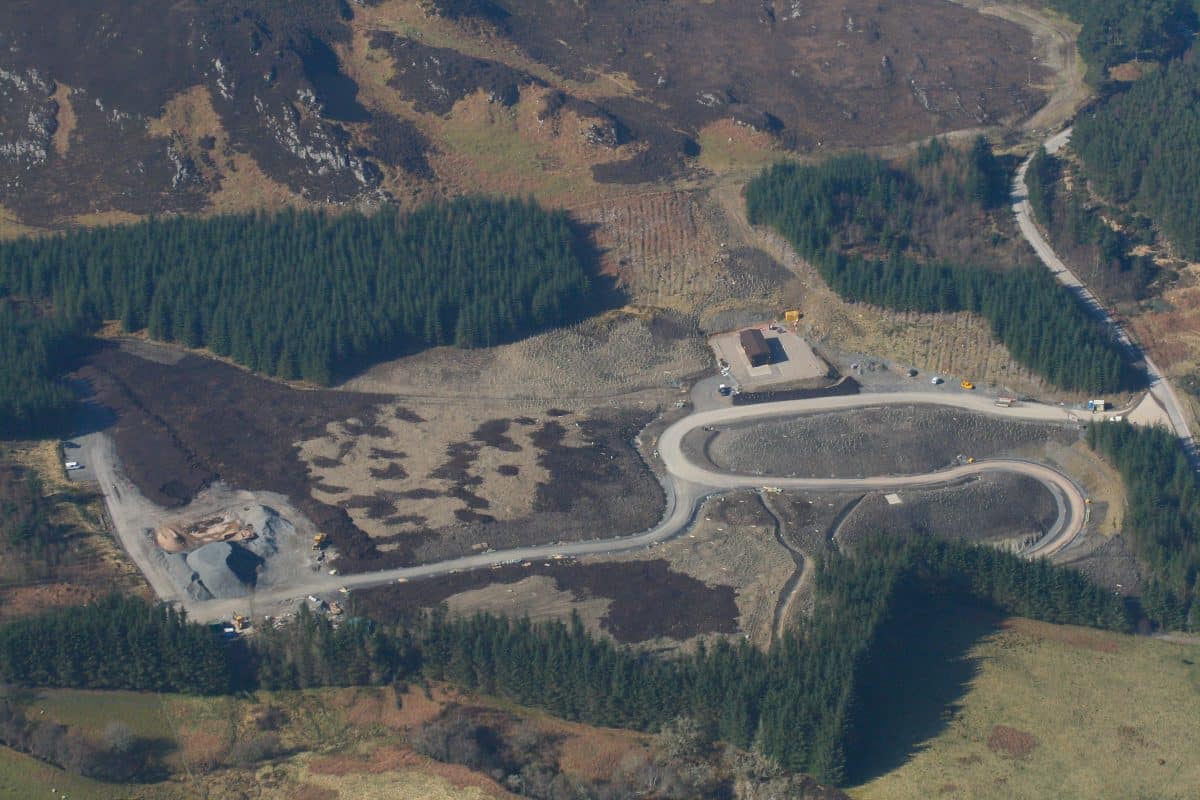
Bell Ingram was instructed by two estate owners on whose property SSE proposed to build the Glendoe Hydro Scheme, near Fort Augustus. The proposed scheme was to incorporate a new, 200 hectare reservoir and an underground power station, with capacity of 100MW. Bell Ingram’s remit was to negotiate terms with SSE for the proposed scheme.

Process

Working closely with each Estate, Bell Ingram negotiated terms with SSE to enable the Hydro scheme to be built and operated. These terms included the purchase of land for an underground power station and a 1km dam, a lease for the reservoir area and servitude rights for 8km of tunnels, 12km of pipelines, 25km of access road and 10 intakes. The terms negotiated covered compensation during construction, including loss of sporting, along with consideration for the rights required to install and operate all the infrastructure. Short term leases were also negotiated for a number of construction camps and laydown areas with the construction contractors.

Outcome

Agreements were signed by both Estates for the construction and operation of the hydro scheme. Construction lasted over a three year period and during the construction phase, Bell Ingram continued to provide advice to the Estates. We negotiated further claims for disturbance compensation, including loss of timber and quantified stone and sand extraction. As the project progressed Bell Ingram also gave advice on restoration of the pipeline areas and temporary working areas. The Glendoe Hydro Scheme was officially opened in June 2009.

Article posted on 26/10/2021

Geography graduate Carrie has her future mapped out at Bell Ingram

Carrie McLennan joined Bell Ingram’s Land Management Team as an Assistant Land Agent this Autumn. Based in our Highland Office in Beauly, she is involved in rural estate and farm management while working towards her APC and CAAV exams.

Says Carrie: “As a new graduate, it’s an exciting time to start a career in the rural sector and I’m looking forward to working with Rob Whitson, Charlotte Gilfillan and the rest of the Highland team.”

Originally from Fife, Carrie studied Geography at the University of Aberdeen, specifically focussing on physical environments. After completing her undergraduate studies, she went on to gain a Master of Land Economy (MLE) in Rural Surveying and Rural Property Management also at Aberdeen.

Adds Carrie: “Through my Geography degree I gained an understanding of contemporary environmental challenges, which gave me a good platform for the MLE, where I have been able to engage with industry professionals and learn more about how we manage rural Scotland.

“I have particularly enjoyed modules on forestry and game, estate management, and valuations, so I will be well placed in Bell Ingram’s Highland Office to further develop my understanding and interest in areas such as these.”

[staff_member id=’3326′]

Article posted on 19/10/2021