Aigas Golf Course and Holiday Cottages: A Unique Business Opportunity Combining Scenic Leisure and Potential Expansion

A rare and exciting opportunity has emerged for potential buyers seeking to acquire a beautifully maintained golf course with extensive holiday letting potential, nestled in the scenic Highlands of Scotland.

Brought to market by Highland Estate Agents, Bell Ingram for offers over £1,500,000, Aigas Golf Course, established in 1993, presents a unique combination of recreational, hospitality, and agricultural opportunities.

Situated amidst 30 acres of rolling parkland this well-established facility offers a turnkey operation for new proprietors with substantial potential for future growth.

The nine-hole Aigas Golf Course is a meticulously landscaped, family-friendly course that has garnered loyal members over the years. Along with the manicured greens, the property includes a practice area and a clubhouse that features a well-equipped kitchen, office, rear lobby, and WCs (including a disabled-accessible WC). The clubhouse is a welcoming hub for golfers, offering light refreshments and snacks, making it an ideal spot for both members and visitors to relax post-round.

The course is home to the Aigas Golf Club, an independently run organisation that utilises the course as its base during the golfing season. To ensure a smooth transition, the current owner is prepared to offer training and support to the new proprietor, providing an excellent opportunity for continued success.

“We are delighted to bring Aigas Golf Course to the Highlands commercial property market,” says Estate Agent, Joanne Stennett. “This is a truly unique opportunity for buyers looking to invest in a versatile and thriving business. With its stunning natural surroundings and well-maintained facilities, this property offers immense potential for both leisure and hospitality ventures. A rare gem in the Highlands market.” 

In addition to the golf course, Aigas boasts four self-catering cottages, offering a well-established stream of rental income from the tourism sector. Currently operating from March to November, there is ample opportunity to extend the rental period year-round and tap into the growing demand for winter breaks in the Highlands. All cottages are fully furnished and come with access to a laundry room and games room.

The Coach House is a spacious three-bedroom, two-storey cottage located on the West wing of a Victorian courtyard. Overlooking a serene mill pond, it features a cozy living area with a log burning stove, making it a favourite among visitors.

Pond View is a charming three-bedroom, first-floor cottage, accessed by a beautiful stone staircase. Offering stunning views over the golf course and surrounding countryside, it provides an idyllic retreat for guests.

Old Dairy and Old Stable are two delightful ground-floor cottages on the East wing. Both are two-bedroom properties, with scenic views over the course and neighbouring forests. The cottages share access to a peaceful communal garden, BBQ area, and outdoor seating, ideal for relaxing on warm summer days.

Adjacent to the holiday accommodation are several steadings and farm buildings. These buildings vary in construction and condition, but the traditional stone structures, in particular, may present excellent redevelopment potential with the necessary consents. Whether for expansion of the holiday accommodation or agricultural purposes, the buildings offer flexibility for the new owner’s vision.

Aigas Golf Course is also complemented by approximately 26 acres of agricultural land, which offers opportunities for continued grass production or diversified agricultural activities. The land is well-fenced and benefits from river frontage, making it suitable for high-quality agricultural production.
Large farm portfolio gains overseas interest

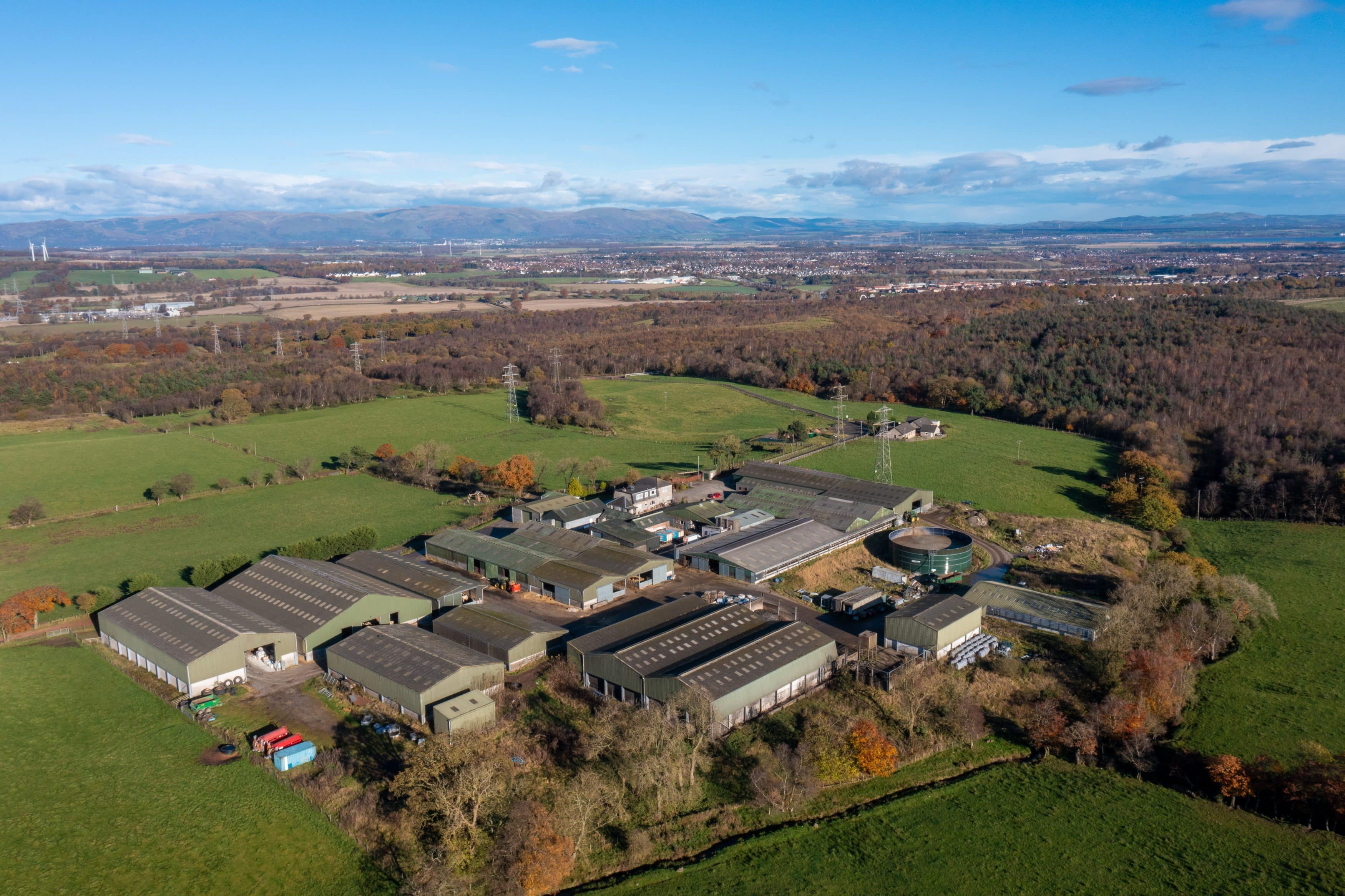
The Bonnyhill Farm Portfolio, located in and around Falkirk and Larbert in central Scotland, represents a significant agricultural asset with a combination of historical importance and operational value. Spanning approximately 513 hectares (1,269 acres), the portfolio included a working dairy, extensive agricultural land, farm buildings, and six residential properties. A noteworthy aspect of the portfolio is its inclusion within the Antonine Wall World Heritage Buffer Zone, adding an additional layer of cultural and historical significance.

Market Offering: The portfolio was brought to market with a guiding price of offers over £8,450,000. Recognising the diverse nature of the assets within the portfolio, the property was segmented into six distinct areas of land, with each being offered as a separate lot. This strategic approach aimed to maximise buyer interest by providing flexibility to potential purchasers, whether they were interested in the entire portfolio or specific segments.

Interest and Marketing: Given the scale and location of the Bonnyhill Farm Portfolio, it was anticipated that the sale would attract significant attention. This expectation was met, as interest was generated both locally and internationally. The appeal of the property was multifaceted: the operational dairy offered an ongoing business opportunity, while the agricultural land and residential properties provided potential for various agricultural and investment pursuits.

Sales Process: Following a 12-week marketing period, which included extensive promotion and viewings, a closing date was set. The strategic decision to market the portfolio in separate lots proved successful, as it allowed for a more tailored approach to different buyer needs. Ultimately, the portfolio went under offer in two separate lots, ensuring the continuity of the dairy operation. The remaining agricultural land, which supports the dairy, was included in the second lot, maintaining the synergy between the land use and the ongoing business activities.

The sale of the Bonnyhill Farm Portfolio is a case study in the successful marketing and sale of a large, multifaceted agricultural asset. The approach of offering the land in separate lots, coupled with targeted marketing that reached both local and international buyers, resulted in a positive outcome. The continued operation of the dairy, supported by the adjacent agricultural land, highlights the importance of strategic asset management in agricultural property transactions.

Bell Ingram celebrates perfect score at Achilles Audit

Bell Ingram has achieved an outstanding 100% score in the recent Achilles Audit, a testament to our unwavering commitment to excellence.

The Achilles Audits are independent assessments that rigorously evaluate an organisation’s management systems to ensure they meet specific standards. These audits validate our capability, competence, and compliance as a supplier organisation, reinforcing our position as a trusted and reliable partner.

Commenting on the success of the Achilles Audit, Bell Ingram’s Compliance Manager, Samantha McDonald says: “Bell Ingram is delighted to have maintained its 100% rating through Achilles. It demonstrates our continued commitment to maintaining the highest possible standards of health & safety and quality assurance. The results also reflect our commitment to sustainability and community welfare through our environmental and corporate social responsibility policies.

“The results are a credit to our teams who consistently uphold these high standards throughout all the work we do.”

Partner Geoff Brown added: “A fantastic result once again and testament to Sam’s hard work and that of the team. Well done everyone.”

Read more about Achilles and the work they do here: achilles.com

Planning Your Farm Sale: Why Time is Your Best Ally

As we approach the end of the busy 2024 farm sales season, it’s time to look ahead to 2025 and start planning for the year to come. If you’re considering bringing your farm to market, the sooner you begin preparing, the better. Allowing ample time for the process can be the difference between a smooth, successful sale and a rushed, stressful experience.

Timing is Everything: The Spring/Summer Advantage

Spring and summer are widely considered the optimum times to sell a farm. The warmer weather and green grass and crop in the ground makes properties more appealing, and potential buyers are generally more active during these months. However, to capitalise on this busy period, it’s crucial to start preparing well in advance. By beginning your preparations now, you can ensure your farm is ready to hit the market when buyer interest is at its peak.

The Benefits of Early Preparation

There are numerous factors to consider before bringing a farm to market, each requiring careful thought and planning. Here’s why allowing sufficient time can greatly benefit your sale:

Tax Planning: Selling a farm often involves significant financial considerations, and tax planning is a critical aspect. Consulting with your Accountant early on will give you the time to explore your options and make informed decisions that could save you a substantial amount of money.

Title Preparation: Producing titles can be a time-consuming process. Engaging with lawyers well in advance will ensure that all legal documentation is in order, reducing the risk of delays when you’re ready to sell.

Marketing Strategy: A quality marketing campaign doesn’t happen overnight. Time allows for strategic planning, including how best to package your property, whether it be selling the land in lots or upgrading residential properties to maximize their appeal. We’ve seen firsthand in 2024 how a well-planned marketing strategy can lead to successful outcomes for our clients.

Strategic Considerations for Farm Sales

When preparing your farm for sale, several key decisions need to be made:

Residential Property Upgrades: If your farm includes residential properties, consider whether upgrades or renovations could increase their value. Enhancing these properties can make your overall offering more attractive to potential buyers.

Packaging the Land: Deciding how to package and present your land is crucial. Should you sell the property as a whole, or lot the land? This decision can impact the overall sale and may require time to consider the best approach. Separating houses and cottages from the working farm can be challenging, but with careful planning, it can be done in a way that maximises value.

Understanding Buyer Priorities: While residential properties can be a significant selling point, it’s often the land and outbuildings that drive buyer interest. Understanding what buyers are looking for in your area will help you tailor your offering to meet market demand.

Start Planning Now for a Successful 2025 Sale

The earlier you start planning your farm sale, the better positioned you’ll be to achieve a successful outcome. Whether it’s engaging with Accountants and Lawyers, strategising your marketing campaign, or making decisions about property upgrades, time is your best ally. By taking the necessary steps now, you’ll be ready to enter the market at the optimal time and attract the right buyers.

For more information about Bell Ingram’s Farm Sales service, contact our Head of Farm Sales, Malcolm Taylor, on 01307 462516 or email malcolm.taylor@bellingram.co.uk.

[staff_member id=’3372′]

Established Luxury Chalet Portfolio in the Scottish Highlands Hits the Market

A rare opportunity has emerged in the Scottish Highlands as a portfolio of four luxury holiday chalets in Ardendrain, near Kiltarlity, has been listed for sale by Scottish estate agents Bell Ingram.

Priced at offers over £500,000, this established holiday business offers significant growth potential in a thriving tourism market.

The chalet park, situated just five miles from Beauly and 11 miles from Inverness, is positioned to capitalise on the increasing popularity of UK staycations. The location offers stunning views and proximity to popular tourist attractions, making it a sought-after destination for holidaymakers.

The chalets, each featuring three bedrooms, have recently undergone extensive upgrades to provide modern, stylish accommodation.

With three decades of successful operation under the same family ownership, the park has built a strong reputation, evidenced by a high rate of returning visitors. The existing business generates reliable income, and with Planning Permission already secured for the addition of two more chalets, there is clear potential for expansion and increased revenue.

Joanne Stennett, the estate agent handling the sale, noted: “This is an exceptional opportunity for investors looking to acquire a lifestyle business in one of Scotland’s most beautiful locations. With the current trend towards domestic travel, this property offers a secure investment with room for growth. The retiring owners are prepared to provide detailed financial records to serious buyers.”

Interested parties are encouraged to contact Joanne Stennett at 01463 717799 for further information or to arrange a viewing. 

[staff_member id=’3364′]

Rare chance to own a slice of Unst’s architectural heritage

A slice of Shetland history has come to the market with the sale of a portfolio of properties located on the UK’s northernmost point, the Island of Unst.

Nestled on the banks of Loch of Cliff, Houlland House, Steading and Da Laggans hold significant architectural and historical value and represent an integral part of the local heritage on Unst.

Currently cared for by the National Trust for Scotland, the conservation charity is seeking new owners who can bring these properties to life while continuing to care for and preserve their architectural significance.

Alongside the main residency, Houlland House, the sale includes a C listed agricultural steading and a second lot, a small cottage called Da Laggans. Each building offers a unique glimpse into the architectural styles and construction methods that were prevalent in Shetland. The properties were originally part of the larger Gardie Estate and early census records shows Houlland House inhabited as far back as 1841.

The Steading has earned a C listing due to its significance locally as it is unique to Unst with only one other similar steading on the island, representing an important part of local agricultural history.

The portfolio of properties were gifted to the National Trust for Scotland by Joy Sandison and the charity is now bringing these properties to market for the benefit of the Halligarth Project. All funds support the Trust’s charitable purpose and will be reinvested into the project that aims to deliver lasting impact for locals and visitors.

Prospective buyers are asked to submit proposals for the properties with their intensions of use, which will be reviewed by the Trust. A National Trust for Scotland Conservation Burden will be applied to the title to ensure that renovation proposals are appropriate.

Unst is renowned for its stunning landscapes and rich cultural heritage and provides a picturesque setting for these historic properties. The island is famed for its rugged beauty, vibrant wildlife, and traditional Shetland culture, making it an attractive destination for those seeking tranquillity and a connection to Scotland’s rural roots.

The properties are being offered as a whole for offers over £150,000 by rural property specialists, Bell Ingram. Alternatively, they are available for purchase in two separate lots, providing a rare opportunity for buyers to own a piece of Shetland’s storied past.

Moira Webley, Estate Agent at Bell Ingram, comments on the sale: “These properties are not just buildings; they are a testament to the rich agricultural history of Unst and Shetland as a whole. Their architectural significance and the care they have received from the National Trust for Scotland make them a truly unique offering. We are excited to bring these properties to market and look forward to finding buyers who will appreciate and preserve their historical importance.”

For more information on these properties visit bellingram.co.uk or contact Moira Webley on 01738 621 121, or email moira.webley@bellingram.co.uk.

[staff_member id=’3364′]

From Clarkson’s Farm to your fields: Understanding the vital role of Land Agents

Thanks to his hit Amazon show Clarkson’s Farm, Jeremy Clarkson has given viewers a unique insight into the daily operations of his 1000-acre (400 ha) farm near Chipping Norton in the Cotswolds.

Fans of the programme will also recognise Jeremy’s Land Agent and Advisor, Charlie Ireland, affectionately nicknamed “Cheerful Charlie” due to Clarkson’s playful jabs at his often serious demeanour.

Charlie Ireland offers Clarkson invaluable advice on when to plant and harvest crops and how to budget for the farming year. He is a wellspring of knowledge and often the bearer of bad news when things go awry.

Rob Whitson, Bell Ingram’s Head of Rural Land Management, says: “As a firm of land managers operating for 125 years, we understand the challenges farmers and landowners face. We’re pleased that Clarkson’s Farm has brought the role of Land Agents into the public eye. This show has helped highlight the importance of our profession and advocate for our farming clients to receive the recognition they deserve.

“The programme has shone a spotlight on our profession, and thanks to Charlie Ireland, people have a better understanding of what a Land Agent actually does. Hopefully, this insight will also encourage more people to consider careers in rural land management.”

If you are thinking of employing a Land Agent or want to learn more about a potential career, here’s everything you need to know about it …

  1. What is a Land Agent?

A Land Agent, also known as a Land Manager, is a professional responsible for the management, valuation, and development of rural land and estates. They offer expertise in a variety of areas including agriculture, forestry, land conservation, property management, and land transactions.

  1. What are the primary responsibilities of a Land Agent?

The main responsibilities include:

  • Estate Management: Overseeing the day-to-day operations of rural estates, including agricultural activities, forestry, and game management.

  • Property Management: Managing buildings and infrastructure on the estate, ensuring they are maintained and let out appropriately.

  • Land Transactions: Assisting with the buying, selling, and leasing of land and property.

  • Valuations: Conducting valuations for sales, purchases, and financial purposes.

  • Legal and Regulatory Compliance: Ensuring that all activities comply with relevant laws and regulations, including environmental and planning laws.

  • Advice and Consultancy: Providing strategic advice on land use, conservation, and diversification opportunities.

  1. What qualifications are required to become a Land Agent?

Typically, a Land Agent will have:

  • A degree in a relevant field such as rural land management, agriculture, forestry, or environmental science.

  • Professional qualifications from bodies such as the Royal Institution of Chartered Surveyors (RICS), The Central Association for Agricultural Valuers (CAAV) or the Scottish Agricultural Arbiters and Valuers Association (SAAVA).

  • Practical experience through internships or junior positions within land management firms or estates.

  1. How do Land Agents assist with agricultural management?

Land Agents provide support in:

  • Crop and livestock management.

  • Implementing sustainable farming practices.

  • Advising on government grants and subsidies.

  • Ensuring compliance with agricultural regulations.

  1. What role do Land Agents play in forestry management?

In forestry management, Land Agents:

  • Develop and implement forest management plans.

  • Oversee planting, thinning, and harvesting operations.

  • Ensure compliance with environmental regulations.

  • Advise on grants and incentives for woodland creation and management.

  1. Can Land Agents help with land conservation?

Yes, Land Agents play a crucial role in:

  • Identifying and protecting areas of environmental significance.

  • Implementing conservation strategies.

  • Managing habitats and biodiversity.

  • Applying for conservation grants and funding.

  1. How do Land Agents contribute to property management?

They manage residential, commercial, and agricultural buildings by:

  • Letting and leasing properties.

  • Overseeing maintenance and repairs.

  • Managing tenant relations.

  • Conducting property valuations and ensuring compliance with safety regulations.

  1. What is involved in the valuation work of a Land Agent?

Valuation work includes:

  • Assessing the value of land, property, and natural resources.

  • Preparing valuation reports for sales, purchases, or financial purposes.

  • Conducting market analysis and forecasting trends.

  1. In what ways do Land Agents interact with legal and regulatory frameworks?

Land Agents ensure compliance with:

  • Environmental and wildlife protection laws.

  • Planning and development regulations.

  • Health and safety standards.

  • Agricultural and forestry policies.

  1. How can a Land Agent help with land development?

They assist in:

  • Planning and executing development projects.

  • Navigating planning permission processes.

  • Advising on land use and planning laws.

  • Conducting feasibility studies and impact assessments.

  1. What strategic advice do Land Agents offer?

Land Agents provide guidance on:

  • Diversification of estate activities (e.g., tourism, renewable energy).

  • Long-term estate planning and sustainability.

  • Financial management and investment strategies.

  • Enhancing the economic viability of rural businesses.

  1. Why might an estate owner in Scotland hire a Land Agent?

An estate owner might hire a Land Agent to:

  • Optimise the management and profitability of their estate.

  • Ensure compliance with complex regulatory frameworks.

  • Access expert advice on land use, conservation, and development.

  • Delegate the management of everyday operations to a professional.

Get in touch

Bell Ingram’s team of RICS Chartered Surveyors and Land Agents offers comprehensive management services to private and corporate clients, overseeing hundreds of thousands of hectares across the UK, from prime arable land to high hills. Our professionals also serve utilities, telecoms, mining, renewables, and local authorities.

You are very welcome to visit our offices and discuss your requirements with a Bell Ingram expert. For opening times and availability, please check our website. It’s best to call or email in advance to ensure someone is available to assist you.

Rob Whitson, our specialist in Rural Land Management, welcomes confidential discussions about your needs. For enquiries, please contact Rob Whitson at 01463 717799.

[staff_member id=’3405′]

Balancing the challenges and joys of land ownership

By Rob Whitson, Head of Rural Land Management

If you imagine owning a Highland estate is all about strolling through blooming heather with a pack of black labradors, you’re in for a reality check!

Land management in Scotland is under intense scrutiny like never before, with the Scottish Government’s framework emphasising community-focused principles for land ownership and use. Modern owners must manage their land to provide lasting economic, social, and environmental benefits to the community. While many landowners enjoy the privilege of living in this unique environment, they also face a complex and growing array of administrative and legislative demands.

The pandemic added to these challenges, bringing a surge of visitors escaping towns and cities to walk, cycle, ride, paddle, and camp. While most visitors are responsible, landowners have seen an increase in dog mess, litter, gates left open, and fly-tipping. It’s crucial to communicate that the countryside is also a home and workplace for people and wildlife, and visitors must act responsibly to avoid causing damage or inconvenience.

Despite these challenges, land ownership can still be more pleasure than pain. Bell Ingram’s land managers assist a wide range of clients, from sporting and mixed estates to farmers and crofters, in dealing with ever-changing rules and regulations. Whether it’s heather management, predator control, or improving land amenities, we support our clients in staying ahead of legislative changes.

Time is a finite resource, and while you can’t add more hours to the day, you can engage an agent to help manage the challenges of land ownership. This partnership allows you to enjoy your land without being bogged down by its demands. Clear communication and trust built through shared experiences are key to a fruitful relationship between landowner and agent.

Bell Ingram oversees hundreds of thousands of acres for a diverse portfolio of clients, ensuring they maximise their assets while complying with ever-evolving rural management requirements.

[staff_member id=’3405′]

Market Overview: Continued Demand for Rural Land

Demand for land remains high across the rural property spectrum, from standalone, working farms right through to small parcels and pony paddocks.

In coastal Angus, prime arable land can reach up to £20,000 per acre, reflecting the area’s high yielding soils for crops, fruit and vegetables. Secondary arable and temporary grassland prices have seen slight increases over the last two years, while poorer quality parcels remain stable.

While there’s been a decrease in land brought to the open market, private deals continue as neighbours are quietly approached and take up what may be a “once in a lifetime” opportunity to buy the land next door. Interestingly, estates like The Crown are selling to sitting tenants, boosting owner occupation and further reducing areas held under tenancy.

The Scottish estate market has seen private deals continuing, though natural capital buyers and forestry investment companies are quieter compared to a few years ago, with the heat in the market not quite what it was in 2023. Political factors are influencing traditional Scottish sporting estates, with deer management requirements, Muirburn limitations, and the potential for grouse shoot licenses affecting freedom of ownership.

Stalking estates are adapting to increasing deer numbers, with good larder facilities becoming essential. On the rivers, poor catches exacerbated by drier summers in some areas could impact salmon values and rental figures for fishing estates.

Forestry, as always, still offers tax benefits, but demand for new planting land has slowed, leading to reduced prices from the highs of 2022. Significant delays in approval processes in Scotland are affecting initial cash flows, while existing commercial woodland properties remain in demand, albeit with declining values. The future will see more stable returns than the highs of recent years for both the forest asset and the timber produced. At a local level, small amenity woods remain popular and increasingly community purchases reflect the general population’s interest in nature.

In the North of England, land values remain relatively steady, with ongoing activity across the region. It is certainly fair to say that higher UK interest rates and economic uncertainties globally have tempered premiums over guide prices across all sectors of the property market in the UK.

[staff_member id=’3390′]