Two Stirlingshire properties offer rare opportunity to own piece of Scottish architectural legacy

Two Stirlingshire properties with an illustrious past, each telling a unique story of the region’s rich history and charm have been brought to the residential market.

Callander Lodge and Callander Gardener’s House & Coach House, situated in the historic Leny Feus area of Callander offer a rare opportunity to own a piece of Scottish heritage.

Callander Lodge and Callander Lodge Gardener’s House & Coach House have been brought to the market by Scottish Estate Agents, Bell Ingram for offers over £350,000 and £250,000 respectively.

A striking example of Victorian architecture, Callander Lodge dates back to 1863 and has a distinguished history. Built for Colonel Robertson, a prominent figure in mid-19th century Callander, this villa was constructed during a period of significant local development following the arrival of the railway. As one of the finest villas in Leny Feus, the property catered to the growing influx of affluent tourists who flocked to the area during the summer months.

The Lodge’s timeless design includes period features such as ornate cornicing, decorative dado rails, and grand fireplaces. The addition of a late-19th-century conservatory and an Edwardian Baroque-style entrance porch enhances its architectural appeal. Its original purpose and grandeur remain evident, making it one of the most well-preserved homes in the area.

Set in 2.85 acres of mature, meticulously landscaped gardens, Callander Lodge reflects Colonel Robertson’s deep interest in horticulture. The gardens, featuring an array of mature trees and shrubs, offer a tranquil setting that beautifully complements the grandeur of the house.

Situated nearby, the detached Callander Gardener’s House & Coach House offer a unique renovation opportunity for buyers interested in restoring a piece of history. Also dating from the 19th century and linked to the area’s expansion due to the arrival of the railway, this property was originally built as a gatehouse. Its gardens once served as the kitchen garden for Callander Lodge.

Constructed of traditional stone with a slate roof, the Gardener’s House and the attached Coach House sit in grounds extending to 0.42 acres. While the Gardener’s House is in need of significant renovation, the adjoining stables and coach house provide ample scope for further development, subject to necessary planning approvals. With its period features, fireplaces, and ample space, this property offers tremendous potential for transformation into a unique residence.

Leny Feus, where both properties are located, holds a special place in Callander’s history. Developed in response to the expansion of the railway in the 19th century, the area became a popular destination for wealthy visitors. Homes such as Callander Lodge and Callander Gardener’s House were purpose-built to cater to this demand, adding to the region’s charm and prosperity.

Callander Lodge remains a symbol of the era’s architectural ambitions and aesthetic sensibilities. Meanwhile, Callander Gardener’s House and Coach House offer a more rustic, yet equally fascinating, glimpse into the region’s past, with the potential for a new chapter in their long history.

For anyone with a passion for history and heritage, these properties present a rare opportunity to own a significant piece of Callander’s architectural legacy.

Commenting on the sale, estate agent, Carl Warden, says: “These properties are not only remarkable for their architectural significance, but also for their deep connection to the rich heritage of the area. Whether you’re looking for a beautifully preserved Victorian villa or a restoration project with immense potential, these homes are steeped in character and history, offering an exceptional chance to create something truly special.”

For more information on these properties visit bellingram.co.uk or contact our Perth Estate Agency team on 01738 621 121 or email carl.warden@bellingram.co.uk.

[staff_member id=’3397′]
Is the Changing Weather Extending the Housing Market Season?

By Joanne Stennett, Highland Estate Agent

As the seasons shift, so too does the rhythm of the housing market. Traditionally, the colder months signalled a slowdown in property activity, with buyers and sellers retreating until the warmth of spring coaxed them back into action. But times are changing. Milder winters and a more stable climate have breathed new life into the housing market, keeping it active well beyond its usual prime.

Take last year, for instance. The Highlands, typically dormant during the frosty season, witnessed an unexpected burst of activity. November, which usually sees a trickle of new listings, transformed into a bustling month for property sales. This trend spilled into January, with homeowners keen to capitalise on a less crowded market, drawing in eager buyers looking to get a head start on their property hunt.

Why the shift? It seems the weather isn’t the only thing becoming more temperate. Sellers are warming up to the idea that waiting for spring isn’t the only strategy. They’re recognising that an early bird approach can capture the attention of buyers who prefer to move before the traditional rush.

As we step into 2025, this pattern shows no signs of slowing down. The housing market, much like the climate, is becoming more fluid and adaptable. The winter months, once considered off-season, are now bustling with opportunities. This dynamic environment is perfect for both sellers and buyers who want to leverage the less competitive months to their advantage.

So, whether you’re contemplating selling your home or on the hunt for a new one, this extended season might just be your golden ticket. The market is lively, the competition slightly thinner, and the opportunities abundant. Our team is here, as always, to guide you through every step of this exciting journey, ensuring you make the most out of the shifting tides.

Don’t wait for the flowers to bloom – the time to act is now. Let’s make this unexpected extension of the housing market season work in your favour.

Joanne heads up the Estate Agency team in our Beauly office and is focused on ensuring her clients have a positive experience when they list their property with Bell Ingram. From country houses to farms and estates, she has been marketing prime residential property in the Highlands and Islands for over 17 years. Joanne is well known in the local area, having developed excellent relationships with buyers and sellers.

For more information on our residential property services in the Highlands and Islands click here. Or contact Joanne Stennett on 01463 717 799  or email joanne.stennett@bellingram.co.uk.

[staff_member id=’3364′]

Looking for a market advantage? It’s time to adjust expectations.

By Andrew Fuller, Oban Estate Agent

The property market in Argyll and Bute and the Southern Highland region has seen significant changes recently. With the increase in the Additional Dwelling Supplement (ADS) to 8%, demand for second homes and buy-to-let properties has cooled noticeably, leaving sellers facing a more cautious pool of buyers.

Historically, the region’s beauty and charm have driven high property prices, with many sellers achieving premium values thanks to interest from holiday-home buyers. However, the recent tax increase, combined with relatively high interest rates and ongoing cost-of-living pressures, means that property sellers can no longer rely on the same level of demand.

Sellers must now adopt a more realistic approach to pricing. Over pricing properties at the initial listing risks prolonged time on the market, reducing interest and potentially leads to price reductions later.  Properties that are priced competitively, reflecting both market trends and buyer constraints, are more likely to sell quickly and achieve solid offers.

In areas like Oban, the Isle of Mull and the wider Argyll region, understanding local demand is crucial. Working with knowledgeable estate agents such as Bell Ingram, a company that grasps the shifting market dynamics, is vital. The days of inflated expectations are fading, and those who adapt their pricing strategies to meet the new reality will have the best chance of securing a successful sale. 

Andrew heads up the Estate Agency team in our Oban office and is focused on ensuring his clients have a first-class experience when they list their property with Bell Ingram. A resident of the Isle of Mull, Andrew is very well known across the West Coast of Scotland and has developed an excellent reputation for marketing prime residential property, including plots, crofts, island homes and lifestyle opportunities. 

For more information on our residential property services in Argyll & Bute click here. Or contact Andrew Fuller on 01631 566 122,  or email andrew.fuller@bellingram.co.uk.

[staff_member id=’3266′]

A Strong Start to 2025?

By Carl Warden, Head of Estate Agency

While enquiries have increased, a number of factors – such as cautious sentiment, interest rates, political uncertainty, and others – continue to present challenges in the market.

I am surprised that some potential buyers still believe they can make an offer on a property while making it contingent upon selling their own home. Typically, these buyers have not even begun marketing their property, and we often hear comments like, “My house will sell quickly” or “My neighbour’s house sold quickly… last year.”

You must question why a seller, who has already committed to the time and cost of marketing their property, would agree to take their home off the market to wait for a potential buyer to sell theirs. This arrangement places the seller in a vulnerable position, losing control and becoming part of an increasingly extended chain.

Additionally, there seems to be a tendency for potential buyers to request price reductions, despite not being in a strong position to negotiate. Meanwhile, when it comes to selling their own property, they expect to achieve the highest possible price.

This chain of events needs to shift back toward a more balanced, normal market. Prospective buyers should be expected to make a commitment to selling their homes and actively begin marketing their properties before entering into negotiations.

Carl heads up the Residential Estate Agency division for the company and has a proven track record within the Scottish property sector. He has been marketing property in the Perth and Kinross area for over 35 years and has vast and detailed practical experience and knowledge of selling prime residential property: from period homes to contemporary developments. 

For more information on our residential property services in Perthshire click here. Or contact Carl Warden on 01738 621 121,  or email carl.warden@bellingram.co.uk.

[staff_member id=’3397′]

Time to get your ducks in a row for tax changes

By Sarah Tyson, Head of Valuations.

In these dark days of winter, many are wondering what to do to manage the proposed changes to inheritance tax reliefs following the October 2024 budget. The key message is to start taking stock of what you have and work with those who can help you – likely to be your team of land agent, lawyer and accountant who can confirm all the details which will be needed.

Even if the ongoing protests and opposition to the proposals achieve some changes, to carry out a business review and get up to date information is good business practice – much better than either knee jerk reactions or inertia.

Key elements to review including checking:

  • List and ownership of assets; land, houses, equipment and livestock.

  • Details of any partnership agreements.

  • Wills – for all involved, since deaths do not always occur in age order.

  • Any tenancy agreements – whether you are landlord or tenant and whether whole farm, one element or a telecom mast.

  • Diversification projects – just who is involved and on what basis? Including renewable energy.

  • Current values of all the above so that possible tax liabilities can be assessed.

Pulling together all these details, working with your advisors and asking questions if unclear, will give you a sound basis to make informed decisions.

There is no ‘one size fits all’, but careful consideration of all the facts for your situation will enable a plan to be made.

If you would assistance with a business review, contact our Head of Valuation, Sarah Tyson on 01738 621 121 or email sarah.tyson@bellingram.co.uk.

[staff_member id=’3390′]

Discover a Highland Haven at Keeper’s Cottage

Keeper’s Cottage, a charming former croft house nestled in the heart of the Northwest Highlands has been brought to market.

Situated in the picturesque hamlet of Elphin, this south-facing retreat enjoys an elevated position, offering breathtaking views over sweeping croft land and the dramatic mountain backdrop beyond. Just a stone’s throw away lies the renowned Knockan Crag National Nature Reserve, a jewel within the Northwest Highland Geopark and a haven for nature enthusiasts.

Rural estate agents, Bell Ingram is marketing the property for offers over £240,000.

Keeper’s Cottage combines traditional charm with modern comforts. Thoughtfully extended from its original crofting design, the property now boasts a spacious living room with an exposed stone fireplace and wood-burning stove, a welcoming dining kitchen featuring an oil-fired Aga, a utility room, and a family bathroom on the ground floor. Upstairs, three bedrooms, including a cosy single, provide ample accommodation. A floored attic, accessible via ladder, has been transformed into a tranquil home office, complete with a gable window framing spectacular mountain views.

Surrounded by a beautifully maintained garden, the property features two traditional stone outbuildings, a wooden shed for extra storage, and a walled vegetable garden – a delightful space for cultivating produce while soaking in the highland surroundings.

For equestrian enthusiasts or those seeking additional space, an adjacent plot with a stone outbuilding, ideal for conversion into a stable, is available by separate negotiation.

Estate Agent Joanne Stennett of Bell Ingram remarks, “Keeper’s Cottage embodies everything that makes the Northwest Highlands so magical. Its traditional charm, combined with modern comforts, offers the perfect escape, whether you’re seeking a full-time home or a holiday haven. The surrounding landscape is simply unparalleled in its beauty, making this property an extraordinary find.”

If you’ve been dreaming of your own highland retreat, look no further than Keeper’s Cottage. For further details or to arrange a viewing, contact Joanne Stennett at Bell Ingram on 01463 717799.

A Century of Change: The Evolution of the UK and Scottish Housing Market

By Carl Warden, Head of Estate Agency

The UK housing market has long been seen as a symbol of stability and growth, but after 125 years of constant change, we find ourselves at a crossroads. As Head of Estate Agency at Bell Ingram, I’ve seen the market evolve, and while homeownership remains a cornerstone of British life, today’s buyers are driven by more than just financial gain. For most people, property is not simply an investment – it’s about creating a home that fits their lifestyle, and lifestyles have changed substantially over the past century.

A Century of Changing Priorities

Looking back over the past century, the rise in house prices has been nothing short of remarkable. At the start of the 20th century, most people rented, but government intervention following both World Wars led to a dramatic shift toward homeownership. Council housing developments and policies like “Right to Buy” in the 1980s encouraged this trend across the UK, with Scotland following suit, albeit at a slower pace. The financial crisis of 2008 put the brakes on a housing boom that had spanned nearly a decade, but it didn’t take long for property prices to recover—and in some cases, surpass—previous peaks.

Fast forward to 2024, and the housing market is once again in flux. Prices remain high, particularly in cities like London, but even Scotland, which traditionally had more affordable property, is seeing record levels in urban centres like Edinburgh and Aberdeen. In more rural areas, limited supply is creating its own set of challenges, as younger generations struggle to get onto the housing ladder.

The Rise of Lifestyle-Centric Homebuying

In the early 20th century, homeownership was reserved for a select few, and those buying at the upper end of the market had very different needs compared to modern buyers. Edwardian homes, for instance, were often built to accommodate large households, with space for domestic staff and rooms designated for very formal social occasions. The idea of an open-plan kitchen-living space, a must-have for many of today’s buyers, would have seemed bizarre to the Edwardian upper class.

Fast forward to today, and we see an entirely different set of priorities. Most homebuyers are not concerned with acquiring grand estates, but rather finding spaces that support their busy, modern lifestyles. People want homes that offer flexibility, comfort, and accessibility—whether that’s through remote working spaces, proximity to green spaces, or homes that can easily be adapted to accommodate growing families. This shift reflects broader societal changes, with dual-income households, smaller families, and increased demand for urban living shaping how homes are built and bought.

One of the most striking changes in the market has been the increased emphasis on how a home fits into a person’s lifestyle. Post-pandemic, many people are seeking properties with more outdoor space or a dedicated home office – features that were far less important just a decade ago. The desire to create a living environment that balances work, family, and leisure is now a key factor for buyers.

While it’s reassuring to know that property values are generally rising, most people are not entering the housing market purely for investment purposes. At Bell Ingram, we see clients who are primarily focused on finding a home that reflects their personal and family needs. The flexibility to work from home, the convenience of nearby amenities, and even the appeal of energy-efficient design are far more pressing concerns than simply watching property prices rise. For many, the home is no longer just a financial asset – it’s a sanctuary.

How Technology is Shaping the Homebuying Process

The way we buy and sell homes has also transformed dramatically, particularly since Covid. The pandemic forced us to rethink how we interact with property, and the rise of online platforms like Rightmove and On The Market has revolutionised the process. These platforms allow buyers to access a vast range of properties from the comfort of their own homes, making the initial search more efficient than ever. Virtual tours and 3D walkthroughs, now commonplace, allow prospective buyers to view multiple homes without stepping foot inside a single one – a game-changer for those who want to thoroughly explore their options.

Social media platforms, particularly TikTok, have also entered the fray, offering a new, often more engaging way to market homes. Estate agents are using creative video content to showcase properties in a more dynamic and relatable way, helping buyers visualise how a home might suit their lifestyle.

This trend toward digital house hunting is particularly significant in Scotland, where rural properties can be harder to access. Buyers from outside the region or even abroad are now able to explore properties remotely, opening up new opportunities and markets. These technologies are making the process faster, more transparent, and much more convenient for today’s lifestyle-focused buyers.

Property vs. Pension: The Ongoing Debate

It’s no secret that many people view property as the ultimate long-term investment. Over the years, I’ve been asked countless times whether property is a better investment than a pension, and it’s easy to see why property holds so much appeal. Take, for example, someone who bought a home 25 years ago for £100,000 – today, that same property could be worth significantly more. In Scotland, the average would now be around £407,000, and in London, it could around the million mark in some cases.

But while these numbers are compelling, property investment comes with hidden costs that are often overlooked—maintenance, repairs, taxes, and insurance, not to mention the significant transaction costs involved in buying and selling.

Looking to the Future

While it’s still comforting to know that your property may increase in value over time, the driving force behind homeownership today is less about investment and more about creating a home that fits your way of life. The priorities of modern buyers are far removed from the Edwardian-era mindset of prestige and size. Today’s buyers are looking for versatility, energy efficiency, and a sense of community.

In Scotland, the unique policies around affordable housing, second homes, and community land ownership are also shaping how people approach buying property. In some areas, the focus is shifting toward sustainability and supporting local communities, which aligns with the growing desire for homes that are not just a good investment but a better fit for modern, environmentally-conscious living.

As we look ahead, it’s important to remember that property is not just a financial decision for most people. The real value in buying a home comes from how well it supports your lifestyle – whether that’s by providing a space to work from home, room to raise a family, or simply a comfortable place to retreat at the end of the day.

So, next time you think about buying or selling property, focus less on how much value it might gain in the future and more on how it can enhance your life in the present.

[staff_member id=’3397′]

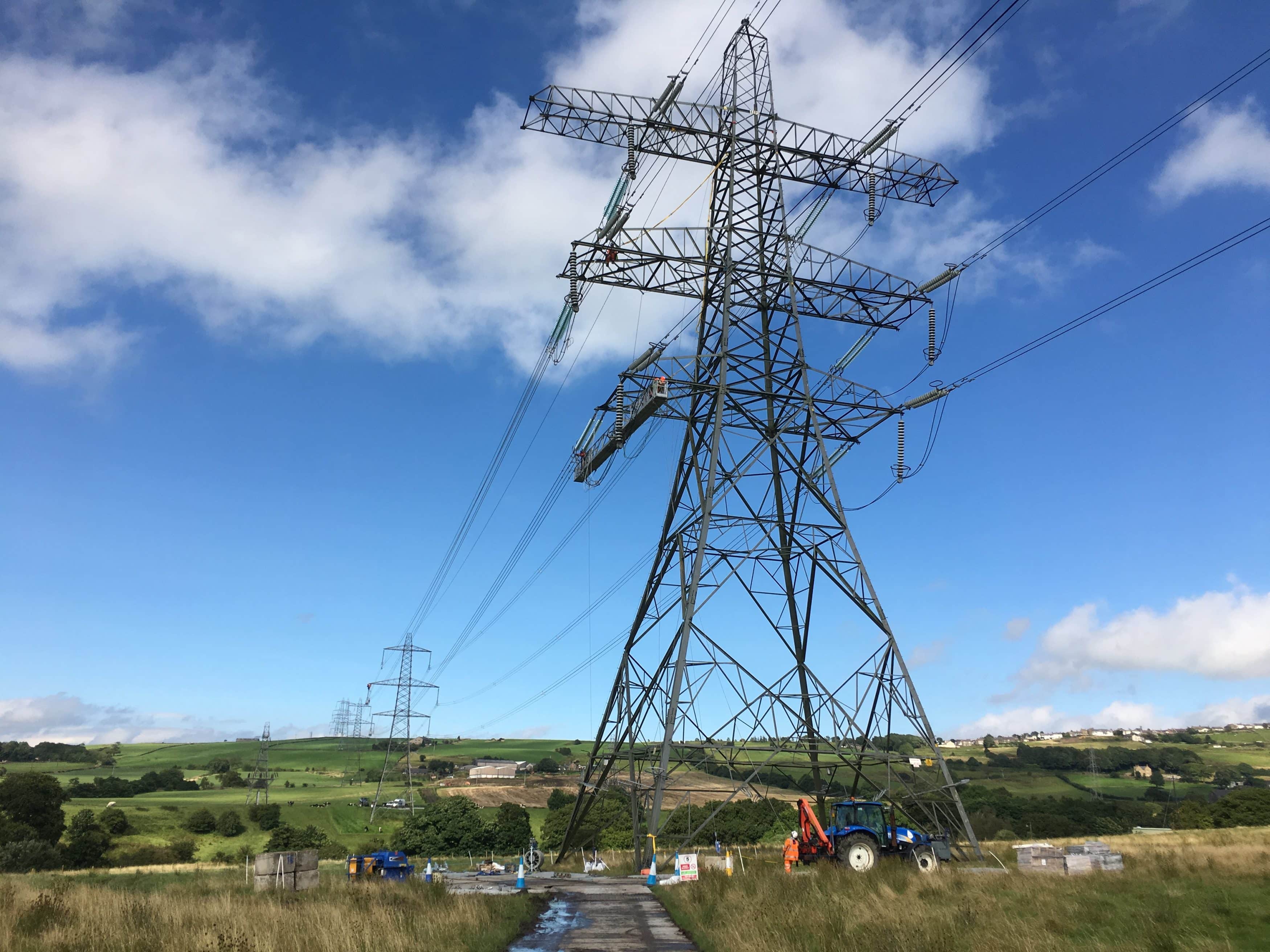
Bell Ingram Utilities at Work: Supporting the UK’s Infrastructure Development

By Neal Salomon, Head of Bell Ingram Utilities, Infrastructure and Renewables

As Bell Ingram celebrates its 125th anniversary, it’s important to highlight one of the company’s most significant contributions to the UK’s growth and development: Bell Ingram Utilities. In the midst of a major national push towards net zero, Bell Ingram Utilities has played a crucial role in supporting the country’s evolving infrastructure, working closely with clients to deliver complex and essential utility projects across the country.

The UK is undergoing a dramatic increase in utility and infrastructure investment in response to climate change, and Bell Ingram Utilities has been at the forefront of these developments. With demand for infrastructure projects such as new electricity installations, strategic water resource options, and gas network transformation rising sharply, Bell Ingram’s expertise has become more critical than ever. According to the ESO’s ‘Beyond 2030’ report, electricity demand is expected to increase by 64% by 2035, necessitating a complete overhaul of the energy grid – a challenge Bell Ingram is well-prepared to help its clients meet.

For more than five decades, Bell Ingram has been assisting clients with the delivery of vital work across the utilities and infrastructure sectors. Established in 1985 by Director Graham Lumby who later became Managing Director and eventually Chairman of Bell Ingram, Bell Ingram Utilities was created to meet the growing demands of industries including oil, gas, water, telecommunications, and renewables. Today, it serves a wide range of corporate clients, helping them navigate the challenges of operating in the rural environment.

Under the leadership of Partner Neal Salomon, who joined the company in 2011 and is based in Northwich, the Utilities Service has grown into a key element of Bell Ingram’s professional service offering. Supported by Partners Geoff Brown, Derek Tyson and Senior Associate Rhona Sharp (Perth) our Utilities professionals operate from key locations across the UK, including Northwich, Thirsk, Morpeth, Kendal, Ayr, Aberdeen and Perth.

A Long-Standing Legacy of Expertise and Innovation

Bell Ingram Utilities is known for providing a comprehensive range of services that has evolved over the years to meet the ever-changing demands of the industry. The company’s work in cross-country pipelines exemplifies this adaptability and expertise. For nearly 50 years, Bell Ingram has provided specialist land agency services to the promoters of oil and gas pipelines across the UK. Its extensive experience in property-related activities, from initial routing and referencing to land acquisition and maintenance, ensures that these large-scale projects are completed successfully and efficiently.

In addition, Bell Ingram has built a strong track record in the water industry, having delivered land agency services to water companies since the 1990s. By collaborating closely with clients and stakeholders, Bell Ingram ensures that projects stay on time and within budget, helping to maintain the critical water infrastructure that supports the UK’s population and supporting the huge investment planned across the network for the next five year period.

The company’s work in the electricity sector is equally impressive. For over 30 years, Bell Ingram has provided wayleaving services to the electricity industry throughout the UK, offering solutions for new build cables, overhead lines, and land acquisition. As the UK’s electricity needs continue to grow, Bell Ingram’s role in supporting the development and maintenance of this essential infrastructure has only increased in importance.

To complete the set of utilities, Bell Ingram acts for all gas companies operating across Scotland and the north of England, supporting in all aspects of the work our clients undertake from smaller scale refurbishment projects to acquiring sites for new installations and securing land rights for major new cross-country pipelines.

Bell Ingram’s expertise extends to telecommunications as well. For more than 26 years, the company has assisted telecom operators with securing wayleaves for telecom cables and leasing sites for telecom masts and tree clearance to improve the line of sight. From initial site inspection to landowner liaison, Bell Ingram’s comprehensive approach ensures that clients can efficiently deploy and maintain their telecom infrastructure.

Renewables and the Future of Energy

As the UK strives towards a greener future, Bell Ingram’s role in the renewables sector has become increasingly valuable. For over two decades, the company has provided land agency advice to developers of wind farms, solar energy projects, hydrogen plants and battery storage facilities. Bell Ingram’s specialist teams understand the importance of renewable energy and are committed to helping developers harness these resources to meet the UK’s growing energy demands. With the country’s renewable energy sector set to play a central role in the transition to net zero, Bell Ingram is well-placed to support the continued growth of this vital industry.

Compulsory Purchase

Our specialist surveyors can support our clients’ compulsory purchase and DCO projects across the country. We work closely and collaboratively with our clients and their legal advisors, providing specialist knowledge and advice through the project definition and land referencing phase and onwards to the preparation of detailed GIS plans and associated CPO schedules, service of notices and expert support at Inquiry. Our understanding and experience also ensures that we are best-placed to settle all compensation claims promptly at a reasonable level in accordance with the compensation code.

Strategic Growth and Recruitment

To ensure that Bell Ingram continues to meet the increasing demands of the utilities and infrastructure sectors, the company has adopted a bold recruitment strategy. By attracting talent from a diverse range of backgrounds, including apprenticeships, graduate programs, and leadership roles, Bell Ingram is positioning itself for long-term growth. This strategy not only strengthens the company’s existing service offering but also ensures that Bell Ingram remains at the forefront of innovation in the utilities sector.

[staff_member id=’3356′]

From the Army to Rural Land Management: My Journey and Advice for Veterans

Recently, I had the opportunity to speak at the Royal Scots Club in Edinburgh, where I shared my personal journey from military service to my current role as Head of Rural Land Management at Bell Ingram. It’s a story filled with highs, lows, and plenty of lessons learned. After 16 years in the Army, I transitioned to civilian life, a move that was both exciting and challenging, and now, I want to share some of the things I learned along the way to help other veterans considering their next steps.

Life After the Military: The Start of a New Chapter

I left the Army in 2006 after serving as a Major in the Royal Dragoon Guards. While I knew that I was ready for a new challenge, stepping into civilian life was more daunting than I expected. I had spent years preparing for this moment – researching careers and studying for a degree in Estate Management from Reading University while still serving. But no matter how prepared you feel, the shift can be overwhelming.

The reality hit me hard when I took my first civilian job as a commercial chartered surveyor. I had thought this would be the perfect role to get my teeth into, but I quickly realised that it wasn’t the right fit for me. Commercial property, with its focus on retail, office, and industrial sectors, didn’t align with my passion for rural land management. That was a tough lesson, but it helped me better understand what I truly wanted to do.

Finding My Path in Rural Land Management

By 2010, I shifted to rural practice surveying, which felt like the perfect match for me. Today, as Bell Ingram’s Head of Land Management, I oversee a fantastic team of rural professionals, and we cover an area the size of Belgium from our offices in Beauly. My work is incredibly rewarding because it allows me to use both the skills I developed in the military and the expertise I’ve gained in the surveying world.

Of course, getting here wasn’t easy, and there were plenty of moments where I questioned if I was on the right path. But with each challenge, I learned more about myself and the civilian world I had stepped into. Now, I want to pass along some of those lessons to other veterans who may be on a similar journey.

Transitioning to Civilian Life: My Advice for Veterans

If you’re getting ready to leave the military, my first piece of advice is to treat your transition like any other mission you’ve faced in the Army. Use the 7Ps – Prior Planning & Preparation Prevents P* Poor Performance. Take the time to plan your next steps carefully because this change can be unpredictable.

Here are some of the key things I learned:

  1. Start Networking Early

One of the most important things you can do is start building a network. I can’t stress this enough – get out there and meet people. Networking opened up many doors for me, and it can do the same for you. Don’t wait until you’ve already left the military to start. Engage in the resettlement process early, attend events, and reach out to people in the industries you’re interested in. Many jobs are filled through word of mouth, so being proactive is key.

  1. Geography Matters More Than You Think

When I left the Army, my wife and I had already bought a house and relocated our young family to Perthshire. That decision tied me to a specific area, which limited my job prospects. It’s important to think carefully about where you want to live and how that will impact your career options. If you own a home, especially with children in local schools, you may need to prioritise job opportunities in that area, which can make things more challenging.

  1. Be Realistic, But Don’t Lose Sight of Your Ambitions

The civilian world is different from the military, and you might have to start at a lower level than you’re used to. Don’t let that discourage you. You may have left the Army as a colonel, but your first job as a civilian might be at an entry level. That doesn’t mean you won’t rise quickly – it’s all part of the process. Keep your long-term goals in mind, and don’t let short-term setbacks derail your ambition.

  1. Civilian Employers May Not Understand Your Experience

This is something I learned early on: civilians might not fully grasp the scale of your military experience. That’s okay. It’s up to you to explain what you’ve done in a way that resonates with them. Be humble, but don’t sell yourself short. What may seem like “just another day on the job” to you can be extraordinary to a potential employer.

  1. Don’t Be Afraid to Change Direction

If your first job out of the military doesn’t feel right, don’t be afraid to switch gears. It’s okay to make course corrections. When I realised that commercial surveying wasn’t for me, I pivoted to rural practice surveying, and that was the best decision I could have made. Your career is a journey, and it’s okay to adjust along the way.

What Veterans Bring to the Table

Veterans have so much to offer, and I believe employers should recognise the unique skills we bring to the table. In the military, we’re trained to solve problems, adapt quickly, and make decisions under pressure – skills that are invaluable in any business setting.

I would encourage employers to engage with veterans early in the hiring process. We may not always have the specific technical skills you’re looking for right off the bat, but we make up for it with leadership, adaptability, and a drive to succeed. Hiring a veteran isn’t just filling a position – it’s an investment in someone who will bring value and experience to your team.

Why I Love Working in the Rural Sector

One of the best parts of my job is the variety. No two days are the same, and I love the broad skill set that rural land management requires. The rural sector also offers a real sense of community and purpose. It’s incredibly satisfying to build strong relationships with clients and contribute to the local community.

On top of that, working in the Highlands gives me the chance to enjoy some of the most stunning landscapes in Scotland. The quality of life is unbeatable, and the work is fulfilling on a personal and professional level.

Final Thoughts

Transitioning from the military to civilian life is a big step, and it’s not always easy. But with the right mindset, careful planning, and a willingness to adapt, you can find success and fulfilment in your new career. For me, the rural sector has been the perfect fit, and I hope my story helps other veterans find their own path.

Remember, you’ve already proven you can handle tough challenges in the military -this next phase is just another mission. With determination and a clear plan, you’ll get where you want to go.

[staff_member id=’15042′]