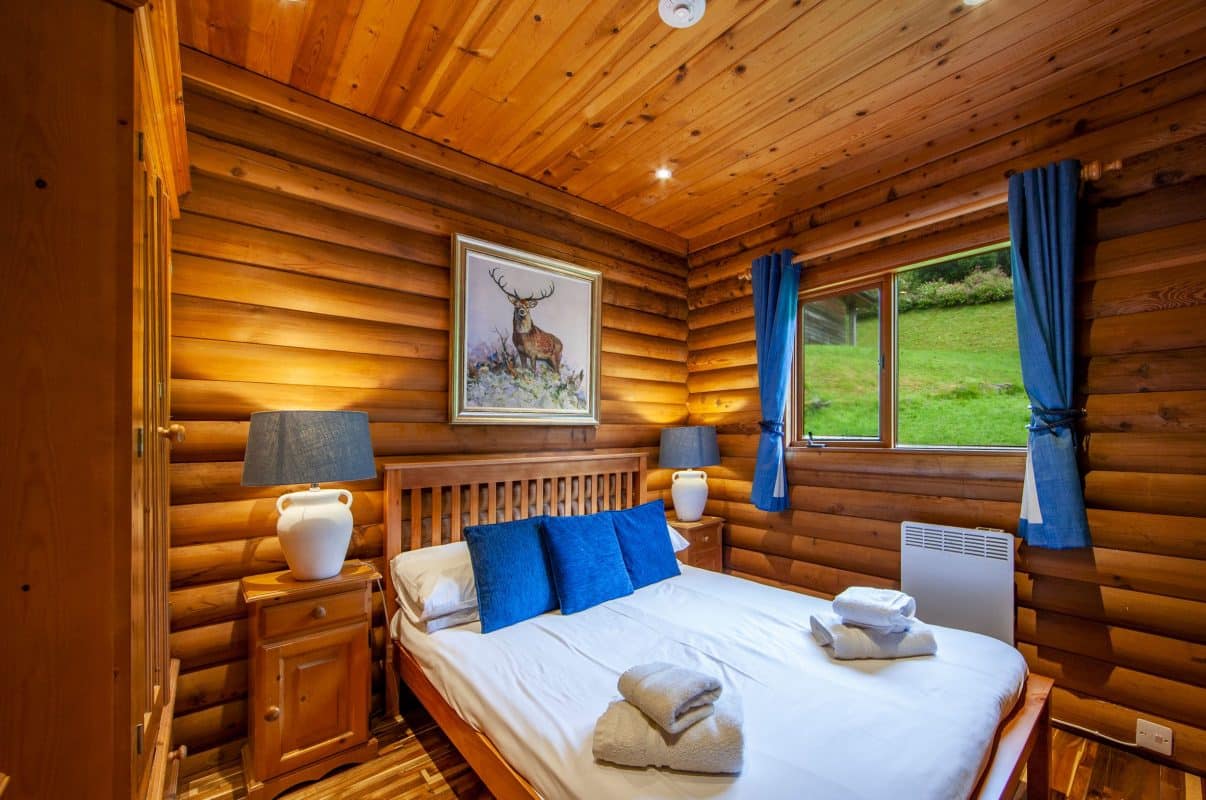
Demand for luxury energy efficient homes stronger than ever

By Carl Warden, Head of Estate Agency

Set against the backdrop of soaring energy prices and a cost-of-living crisis, how to make our homes more energy and cost efficient is at the forefront of everyone’s mind.

For many, a move to a new build property is the answer as thanks to regulation for homebuilders, new build homes must meet strict thermal efficiency guidelines.

Over the years Bell Ingram has partnered with prestigious bespoke housebuilders, who have been building energy efficient homes for many years. But as prices go up across the board, and building costs soar, this must be transferred to customers. So, are buyers still willing to pay a premium for energy efficiency?  

In short, yes. At Bell Ingram we see green and thermal efficiency as the main driver for new build homes which is a market which remains hugely popular and is bucking the trend of regular housing.

Working closely with buyers, our property teams recognise two key factors when it comes to energy in their home. One is thermal efficiency, or the home’s ability to retain and distribute heat from a heat source. The other consideration is the green credentials associated with generating the heat.

For example, some buyers don’t mind if their main heat source is gas or oil, as long as the home performs well in maintaining and distributing the warmth. For others, the green credential of the energy is important, as renewable sources can drastically reduce costs.

Bell Ingram has seen huge demand for our recent development in the Grange of Errol built by The Good House Company, as all homes available, priced from £539,000, were reserved in the first week.

The Good House Company was founded in 2006 and is renowned for producing homes that are A-rated for energy efficiency, vital to compensate for the ever-increasing cost of fuel bills. They are super insulated and are heated by low-carbon technology. Their future aim is to build homes that are carbon-neutral and they are passionate about not sacrificing quality of finishes in order to be an ‘eco’ home – you can have both.

4 Grange Of Errol, Perthshire, PH2 7SZ | Bell Ingram

It is not only new build homes which have to comply with strict regulations, conversions must also reach minimum energy efficiency requirements. Bell Ingram is marketing the superb Milton Muir Farmhouse near Anstruther in Fife for offers over £650,000. The property benefits from air source heating.

Milton Muir Farmhouse, Anstruther, Fife, KY10 3JD | Bell Ingram

Finally, currently under construction, is 2 Castle View in Rumbling Bridge, Kinross-shire which also has air source heating and great thermal efficiency. This family home is within a small development in a semi-rural location, with uninterrupted views, for offers over £650,000.

2 Castle Hill View, Rumbling Bridge, Kinross-Shire, KY13 0PX | Bell Ingram

For more information on our Estate Agency services, or to browse our properties for sale click here.

[staff_member id=’3397′]

Article posted on 12/09/2022

Keeping History Alive: Scottish Lime Centre is Preserving Our Traditional Buildings 

As head of Bell Ingram Design, architect Iain Cram wears a number of different hats, but none so interesting as his role as a Trustee of the Scottish Lime Centre Trust.

The Scottish Lime Centre Trust (SLCT) was established in 1994 in response to the growing concern over a skills’ shortage in the field of traditional building technology.

And over the last three decades, this not-for-profit organisation has promoted the appropriate repair of traditional buildings, and the conservation and development of associated building traditions, crafts and skills through training and education.

The importance of preserving traditional building skills came into sharp focus recently for Bell Ingram Design who are key members of the team tasked with the restoration of A-Listed Braemar Castle in Aberdeenshire.

Iain explains: “Braemar Castle is a perfect example of how vision and craftmanship can give a rundown landmark a new lease of life as a visitor attraction and community resource.

“By using the traditional lime mortar process in the conservation process we are recognising the importance of Scotland’s older built environment, not just because of its heritage and cultural value, but because of the need for environmental and economic sustainability.”

Through their work on other buildings of high significance – including the Marshall Monument in Perth and the Brechin Townscape Initiative – Iain and his BID team have built up a deep understanding of the challenges and opportunities that face these places as our needs and expectations evolve through time.

Iain continues: “I believe that architects accredited in conservation have an essential part to play in safeguarding our built heritage and organisations like SLCT are an essential support to integrating heritage skills in to ‘mainstream’ construction training.”

Based in Charlestown in Fife, the catalyst for the creation of the Scottish Lime Centre was rising concern over the effects of using ordinary Portland cement on historic masonry buildings.

Rosamond Artis MRICS IHBC RICS, Director of the Scottish Lime Centre Trust, explains: “Over the past 150 years or so, since the introduction of cement, the lime industry in the UK has dwindled and the cement industry boomed with cement technology developing to produce harder and stronger material. Don’t get us wrong, we think modern cement is a great product, it should just never go anywhere near a historic masonry structure!

“The increased use of cement in the construction industry resulted in the loss of knowledge and skills required to correctly and appropriately specify and use lime mortars. Through the later part of last century we increasingly saw the damage that was being caused by overly hard cement mortars, but the products, knowledge and skills were not available to transition back to the use of lime mortars, and this is where we come in.

“In 1994 our organisation was established to bridge this gap and to bring back the understanding and skill required to successfully use lime mortars. Our remit has developed over the years and still specialists in lime mortar use and technology, we have a broader scope of providing advice, guidance and training relating to all aspects of traditional building technology.”

The Scottish Lime Centre Trust runs practical courses aimed at all levels covering a wide range of traditional materials and techniques, designed to enhance craft skills and awareness. These are aimed at tradespeople and craftspeople; building supervisors and site agents; architects, engineers and surveyors; conservation officers; homeowners; students; voluntary conservation groups; estate managers; and those who just want to learn new skills.

The organisation also promotes Continuing Professional Development (CPD) through lectures, seminars, demonstrations and practical courses for architects, surveyors, conservation officers and students.

Its building advisory service offers professional and technical consultancy and advice provided directly to building owners or their appointed architect/surveyor.

The organisation even offers a Materials Analysis Service and a Sands & Aggregates Database which holds records of currently available sands and aggregates enabling the appropriate specification for use in lime mortars and ability to match both the appearance and physical properties of a historic mortar.

More information online at www.scotlime.org

[staff_member id=’3247′]

Article posted on 12/09/2022

Highlands and Islands property market defies the headlines

The property market in the Scottish Highlands and Islands has been booming for some years and despite signs of a slowing market elsewhere, prices remain strong in the North and West of the country.

With mortgage rates rising and rumours of house prices stagnating, you could be fooled into believing the Scottish property market is about to crash. But our experts in Oban and Beauly are seeing no let up, with predictions that growth is to slow yet to be seen in practice.

In fact, Andrew Fuller, Bell Ingram’s Estate Agent in Oban, recently secured a sale for a home achieving 100% over the asking price, which put paid to the fact that buyers are no longer willing to offer such large sums over the home report value as we have seen post pandemic. Most recently Andrew and his team also secured two notable sales of over £1million for homes in some challenging conditions.

This is just one example, but it would appear to be backed up by the latest figures from Registers of Scotland that show the price of a detached home is up by 13% to £349,000 on average with the biggest increases seen in the council areas of Argyll, Highland and the Islands.

Similarly, Joanne Stennett, our Estate Agent based in Beauly in the Scottish Highlands, is still experiencing huge demand in the region with houses regularly going to closing dates and achieving in excess of 10% over the asking price.

Interest in both the Highlands and Islands remains strong with a constant stream of enquiries from buyers south of the border, and increasingly from the Central Belt. This demand for houses in the regions has remained strong since the pandemic and off market deals are becoming common place as buyers vie for properties before they reach the open market, such is the competition for stock.

Despite a recent uptick in house prices in the regions, they continue to be favourable to those further south and Joanne believes this will only continue as mortgage rates squeeze buyers out of already expensive property markets.

There is one thing Andrew and Joanne do not have on their side while working in some of Scotland’s most regions is and that is the weather. As we look towards the end of this year and early 2023, it will be the only thing holding them back.
If you are interested in taking advantage of this strong market speak to your nearest Bell Ingram office about our free market appraisal service.

[staff_member id=’3266′]  [staff_member id=’3364′]

Article posted on 12/09/2022

Bell Ingram Can Help You Achieve Your Agritourism Dream

The UK’s staycation market has never had it so good! Already gaining popularity before the pandemic, there’s no doubt that coronavirus has significantly accelerated the demand for holidaying at home.

Farmers and landowners looking for alternative revenue streams have embraced the opportunity to maximise their assets, and the high quality of many of these enterprises is giving foreign holiday destinations a run for their money.

Why bother with the hassle of flying abroad when you have luxury holiday lets and glamping experiences on your doorstep? Or the convenience of soaking up our beautiful scenery from the comfort of your motorhome.

The push to develop the sector is well underway in Scotland with the industry goal to have 1,000 Scottish farming and crofting enterprises offering an agritourism experience, with at least 50% providing a food and drink element by 2030.

If successful, this could be worth £250m to the economy, potentially supporting 10,000 full-time jobs by the end of the decade according to the first Scottish Agritourism Growth Tracker report which was compiled by VisitScotland on behalf of industry body Scottish Agritourism.

Agritourism is definitely becoming a growing travel trend and at Bell Ingram we are working with many clients who have already dipped their toes in this lucrative market.

However, if you are considering renovating farm buildings into holiday lets, creating a glamping facility or simply allowing motorhomes to access to your fields, there are a lot of things you must consider first … and Bell Ingram’s multi-disciplinary team of rural land and property experts can help you get started:

Valuations – Our RICS registered valuers can provide valuations for all types of rural property, including holiday letting and rural tourism. Our team of professionals provide valuations for a wide range of rural property types and we routinely work for private, corporate and public sector clients, as well as banks and other lenders.

Landlord/Tenant – Tenants must gain the permission of their landlord proceeding with any new business development opportunity. If there are projects you would like to pursue, our experts can advise tenants how to approach this in the best possible way.

Architectural Services – Whether it’s renovating an existing farm building to create a holiday let or preparing a 3D visualisation of a visitor centre, BID’s architects and technologists have s strong track record of working on agritourism projects of all sizes. BID also works with clients to identify sites for potential projects.

Planning – Working closely with Land Agents and Architects, our Planning Consultant can provide clients with expert advice to turn your ambitions into reality. Using a professional planning consultant takes the guesswork out of the process, ensures work proceeds smoothly which could save you money in the long run.

Microgeneration & Renewables – Bell Ingram have been providing independent and un-biased advice to private clients on all aspects of small-scale renewable energy schemes for almost 25 years. Our expertise ensures optimum payback on hydro, wind, heat pump, biomass heating, solar thermal and photovoltaic (PV), energy storage, community heating, and combined heat & power (CHP).

AMC – The first key component is how you plan to finance your agritourism enterprise. Bell Ingram’s highly experienced network of AMC agents can organise loans for clients looking to raise fund to get their project off the ground.

*Bell Ingram is a member of Scottish Agritourism Network and our staff will be attending the upcoming Scottish Agritourism Conference at Perth Concert Hall on Tuesday 6th and Wednesday 7th November. Look out for our distinctive blue gilets and stop us for a chat!

[staff_member id=’2670′]

Article posted on 12/09/2022

Bringing Maps to Life

By Mhairi Walker, GIS Technician

The world of GIS Mapping is changing and 3D visualisation is enhancing 2D capabilities – taking clients into another dimension.

Working alongside colleagues in forestry, Bell Ingram’s GIS team have begun work on 3D visualisations for new woodland creation schemes.

Over the years, GIS has made a significant impact in showcasing mapping as an essential tool to interpret spatial data. 3D GIS visualisation depict objects in greater detail by adding a third dimension that allows for real scale representation of real-life objects.

3D visualisation is nothing new, but traditionally these models would be laid out in physical form. Nowadays, with the help of more sophisticated technology, such as our ArcGIS based system, we can not only envisage and evaluate in one place, but also manage all the necessary facts and figures.

Visualising in 3D is becoming increasingly popular in the forestry sector because areas of woodland can be accurately interpreted and, crucially, visualised over their life span. Incorporating our 3D technology into GIS customises the whole experience for clients, making it more personal and enabling greater detail and visualisation.

This is particularly helpful when applying for grants and engaging with public consultations, as regulating bodies and neighbours can really get a sense for the impact the proposed forest will have on the landscape, helping to strengthen the public consultation process.

On top of this, we can accurately depict the forest over its entire life span, for example, showing the growth rate over a ten and 20 year period. There is also the ability to account for a mix of species and death rate, which is crucial when characterising new commercial and even non-commercial woodland schemes for the duration of their existence on the landscape.

This ability to accurately show the change on a landscape over time in 3D, clearly has benefits that reach beyond the forestry industry. Bell Ingram’s utilities department will also be benefit from the ability to contextualise renewable developments and infrastructure projects for all stakeholders.

3D visualisation is a natural evolution for GIS and the possibilities are truly endless. Introducing 3D to forestry and rural land management is an exciting development for the firm and I am delighted to be able to champion this progress.

If you are interested in 3D GIS visualisation, get in touch with our GIS technician, Mhairi Walker on mhairi.walker@bellingram.co.uk or 01738 621121 to discuss your needs. For more information on our GIS Mapping service visit bellingram.co.uk.

Copyright

Maxar, Microsoft | Source: USGS, NGA, NASA, CGIAR, GEBCO,N Robinson, NCEAS, NLS, OS, NMA, Geodatastyrelsen and the GIS User Community

[staff_member id=’3395′]

Article posted on 01/12/2022

Legislation Freezing Rents & Evictions Passed in Scotland

The Cost of Living (Tenant Protection) (Scotland) Act 2022 was been passed by the Scottish Parliament last week.

The Scottish Government says the Act temporarily:

  • Restricts landlords from increasing the amount of rent they can charge private and social tenants, as well as for student accommodation.

  • Places certain restrictions on enforcement of evictions from residential tenancies.

  • Balances these restrictions with safeguards for those landlords who may be facing particular cost pressures or financial hardship.

The rent cap, which applies to in-tenancy rent increases, has initially been set at 0% from 6 September 2022 until at least 31 March 2023. Ministers have the power to vary the rent cap while it is in force.

Enforcement of eviction orders resulting from the cost crisis are prevented over the same period except in a number of specified circumstances, and damages for unlawful evictions have been increased to a maximum of 36 months’ worth of rent.

The measures can be extended over two further six-month periods.

You can view more information on the Act here

https://www.mygov.scot/rent-cap-landlords

https://www.mygov.scot/eviction-pause-landlords

If you are landlord speak to your Bell Ingram Land Manager about how the emergency legislation will affect you.

Article posted on 31/10/2022

Carl Warden gives us the latest on markets and mortgages

It was inevitable that the fall-out from the mini budget and its controversial tax cuts would manifest itself in the housing and mortgage markets because the cost and availability of credit is a significant driver of the market.

Therefore, it comes as no big surprise to see mortgage lenders suspend many rates and deals as they gather their breath before attempting to reprice the market.

It goes without saying that any big jump in the mortgage rate is a major concern for those who are buying houses at the moment. But, if you like the house, you can afford it and are confident you can continue to afford it, then there is no reason not to go ahead with your purchase.

What is fairly certain is that we can wave goodbye to the historically low interest rates that we have grown used to and brace ourselves for a return to the higher levels we last saw in 2012.

There’s also been much speculation that we could be facing a housing market crash. But while prices could fall over the longer term, there is no evidence that they will collapse like they did during the global financial crisis of 2007/8. The market in Scotland is still functioning well despite the uncertainty.  I am seeing a small number of buyers pulling out of deals as we wait for this immediate uncertainty to pass, but I don’t see this continuing and especially so at the top end of the market.

From a Scottish perspective, it will be interesting to see if the Cabinet Secretary for Finance, Kate Forbes MSP, replicates Kwasi Kwarteng’s Stamp Duty cuts for the Land & Buildings Transaction Tax (LBTT) bands in Scotland.

On September 23, the UK Government announced a permanent cut to stamp duty in a bid to boost economic growth. The announcement means that in England no stamp duty will be paid on the first £250,000 of any property, up from £125,000 previously.

For first-time buyers in England the threshold is now £425,000, up from £300,000. The maximum value of a property on which first-time buyers’ relief can be claimed will also rise from £500,000 to £625,000.

While first-time buyers in Scotland do not pay LBTT on property purchases up to £175,000, a 2% LBTT rate is paid on property valued between £145,001 and £250,000.

It would be a big worry for the property sector should the Scottish Government not bring us more into line with the rest of the UK.  A reduction in LBTT would go a long way to giving the Scottish housing market a boost, particularly for the lower bands, as we navigate this period of economic uncertainty.

For advice on your house move, or for a free market appraisal contact Carl Warden, Head of Estate Agency on 01738 621121 or email carl.warden@bellingram.co.uk

[staff_member id=’3397′]

Article posted on 03/10/2022

Guest Blog: Managing trees and vegetation whilst being mindful of sustainability

By James Morrison, Senior Asset Engineer at Network Rail Scotland

It is a significant and ongoing challenge to manage the many risks that trees and vegetation can pose on our long, but generally narrow, infrastructure corridors. We cover the varied geography of Scotland which requires our teams, supported by specialist contractors, to be based strategically. Local knowledge of the infrastructure and asset condition, plus the ability to respond quickly to any issues is fundamental.

We make management decisions using data and imagery collected during multiple inspections undertaken by trains, people on foot, drones and manned aircraft. This is combined with additional information from our passenger and freight customers, neighbours and multiple key stakeholders. We then generate risk based workstreams so we can best deploy people and equipment to deliver this work efficiently and cost effectively on behalf of the taxpayers who fund the railway.

We also have to balance our operational responsibilities with those of being a large landowner, as the railway contains significant flora and fauna and in turn natural capital. We employ professional (in house) ecologists to advise our teams on how to protect this biodiversity based on site observations, historic records or legal designations. Not all trees and vegetation are a risk to trains so we can, where safe to do so, retain, pollard or prune trees. Every site has specific requirements, and it takes the work of many professionals from across Scotland to manage the lineside areas that flank the tracks.

First and foremost, Scotland’s Railway fulfils a variety of travel needs from business and leisure to daily commuter services, including cross border services. 

However, we equally have a responsibility to appropriately offset our tree and vegetation works that support this primary function. Our approach is governed by railway standards that reflect targets from our regulators and funders. But more importantly, it is the right thing to do.

Replanting is only one aspect of improving biodiversity on the railway. Mitigating the impact of our work takes many forms such as the habitat piles of cut woody material or standing and lying sections of dead wood. Raptor perching poles, crevice creation and veteran feature mimicry (via cutting incisions in trees) and provision of bird and bat boxes are some other methods deployed. Where appropriate and access to maintain is available, we plant native grass and wildflower areas, high wildlife value hedgerows and even small ponds can be considered. 

Mitigation can take place on railway land (where space allows) or alternatively in locations adjacent to, or even remote from the railway (offsetting). We are currently working to establish suitable partnerships with other landowners where offsetting would be appropriate. Locations on such land and where public access is possible have an added advantage to the people of Scotland as they can potentially visit these locations and enjoy them.

As a large landowner, we feel we can have a tangible and positive impact on biodiversity and sustainability and the changes we are making are also being acknowledged and welcomed at a local level by communities.

Article posted on 29/09/2022

The Property Expert: Portsonachan lodges hit the market

Scotland’s tourism industry is thriving and no more so than the country’s stunning west coast. One particular sleepy village near the banks of Loch Awe is pulling in visitors from across the globe for its picturesque location, and outdoor credentials including ample walking and cycling trails and water sports. Located just a short drive from Dalmally in the county of Argyll and Bute, Portsonachan is home to the impressive Portsonachan hotel and its nearby chalets where our Oban Estate Agents are marketing nine beautifully presented lodges.

These 1–4-bedroom lodges present an opportunity to purchase a holiday home for leisurely excursions with family and friends, or to run as a successful holiday let business. Here is a flavour of the properties on the market.

Stirling Lodge

Stirling Lodge at Portsonachan offers buyers an opportunity to acquire a beautifully presented three-bedroom wooden chalet, complete with built in sauna and external hot tub. With its modern open plan kitchen, stylish bathroom and spacious bedrooms, the lodge is perfect for entertaining family and friends. Stunning views across one of Scotland’s most picturesque locations will be sure to impress.

Offers over £325,000.

See more: Stirling Lodge, Portsonachan, Dalmally, PA33 1BJ | Bell Ingram

Carrick Lodge

This three-bedroom lodge has many of the outstanding features as Stirling Lodge, including built-in sauna and hot tub. Set just a little further back from the loch, Carrick Lodge enjoys a pleasant tree-lined vista, enjoyed from its expansive balcony, the perfect place to sit and take in the glorious surroundings.

Offers over £300,000.

See more: Carrick Lodge, Portsonachan, Dalmally, PA33 1BJ | Bell Ingram

Eilean Lodge

This two-storey semi-detached wooden chalet offers two ground floor bedrooms complimented by a spacious upstairs living area, with a balcony that enjoys far reaching views across to Loch Awe. The downstairs decking area is home to a welcoming hot tub.  

Offers over £215,000

See more: Eilean Donan Lodge, Portsonachan, Dalmally, PA33 1BJ | Bell Ingram

Duart Lodge

The smallest, yet one of the most popular lodges available, this semi-detached one-bedroom lodge is the perfect couples’ retreat. Offering a blend of rustic and modern living, the kitchen is traditional farmhouse style, while the open plan living space provides ample space to sit and unwind. A large decking looks out across the gardens towards Loch Awe.

Offers over £195,000

See more: Duart Lodge, Portsonachan, Dalmally, PA33 1BJ | Bell Ingram

For more information on the lodges, or our Estate Agency service on the West Coast contact our Senior Associate Andrew Fuller on 01631 567 791, or email andrew.fuller@bellingram.co.uk

[staff_member id=’3266′]

Article posted on 27/09/2022