
Getting to know Bell Ingram: Why Land Agent Jamie Cowie branched out from Forestry to surveying

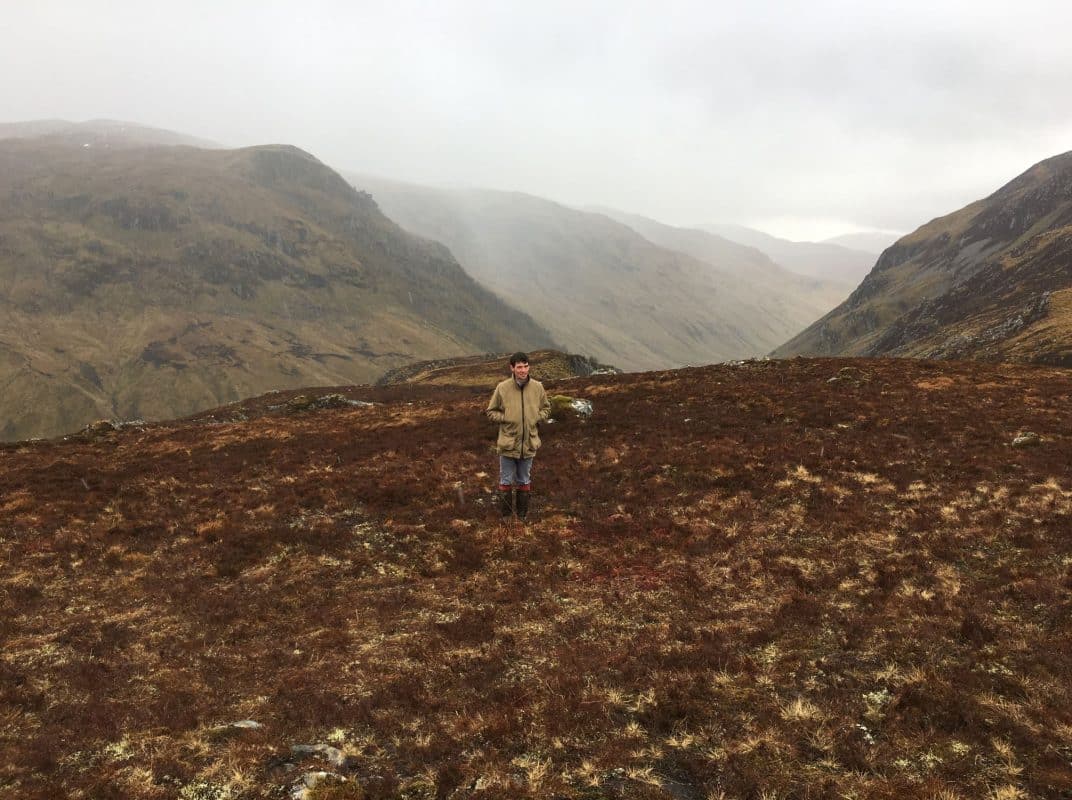
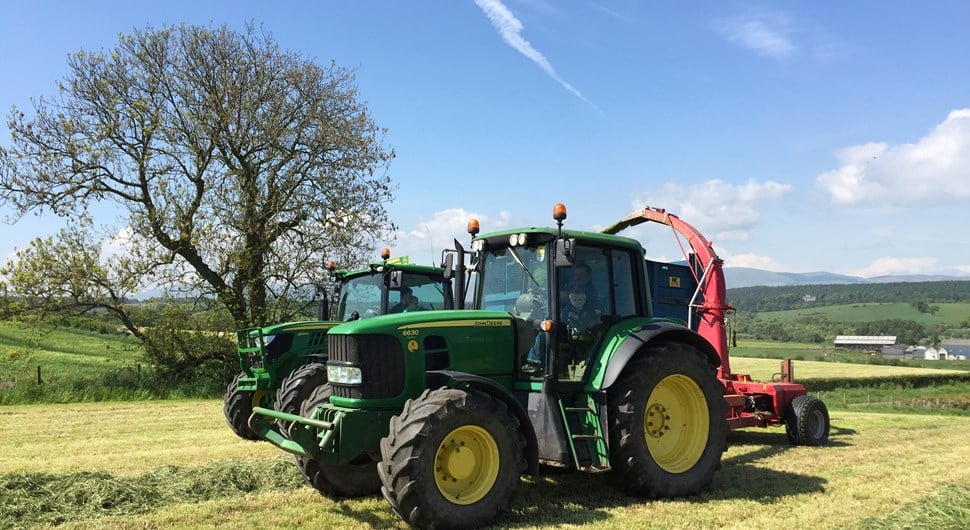
Jamie Cowie joined Bell Ingram in 2003 as Forest Manager before going on to become a MRICS qualified land agent. Based in our Highland office, he is involved in pipeline and utility projects as well estate/property management, forestry management, valuations, estate agency and GIS/mapping.

Says Jamie: “I can’t recall a single eureka moment that led me into working in the rural scene. I grew up in Buckie, a fishing village, and had no immediate family in the rural industries. We never holidayed abroad, with trips being tent-based excursions scattered across the country.

“Living in such an incredible and diverse country meant my interest grew, predominantly in the physical geography and nature, with land use, history and people following on later.

“In my teens, I started to become more active in the outdoors through hillwalking and mountain biking. Moray has a particularly high percentage of forest cover for the UK, and my attention soon turned to trees. The idea of having a career based indoors and with no travel did not fill me with any enthusiasm.  

“So off I went and spent five years (including two student placements with Forestry Land Scotland ) studying Forestry at Inverness. About the time of our final exams, Bell Ingram was advertising for the position of forest manager in Aberdeen. I got the job and started in the summer of 2003.

“After a few interesting years, I was offered the opportunity to branch out into the slightly different world of rural surveying. Initially this was predominantly based on a Scottish Water project, but eventually I ended up dabbling in a range of other utility projects. The opportunity to diversify again presented itself, so after a couple years of post-graduate distance learning I became MRICS qualified in 2014.

“Since then I have continued to be involved in a variety of utility projects, forestry management, farm sales and valuations ranging from Grangemouth in the south, Peterhead in the east, Aviemore in the middle, Kyle of Lochalsh in the west and Unst in the north.

“My love of Scotland has only grown, and I am fortunate to be in a line of work that lets me see and be a part of so much of it. I also get to work with and meet an equally interesting range of people.

“While this would not have been apparent to me back in the early days of high school, the knowledge of what I know about the work I do now would have definitely focused my career path at an earlier age.”

[staff_member id=’3240′]

Article posted on 17/10/2021

Bell Ingram’s Finnich Glen visitor centre vision wins planning approval from council

Farmers David and Carole Young have warmly welcomed the decision by members of Stirling Council’s Planning Panel to unanimously approve their planning application for Finnich Glen today (Tuesday 6th October).

Along with a visitor centre, the development will comprise a 150-space car park and a network of paths, bridges and viewing platforms at the Devil’s Pulpit beauty spot.

Architects and planning consultants Bell Ingram Design lodged the application for the 10.9 hectare site in West Stirlingshire on behalf of the couple last September.

David Young says:

“Carole and I are both delighted and relieved by today’s decision and want to thank the councillors for supporting our vision to create a destination of national and international importance at Finnich Glen.

“The Finnich Glen visitor centre development will allow visitors to access the Glen safely and safeguard this stunning environment for future generations to enjoy.

“In the longer term we hope to create a sustainable business and generate rural jobs, something that’s never been more important as our economy struggles to survive during the Covid-19 pandemic.”

Iain Cram, Director of Bell Ingram Design, says:

“I want to thank Stirling Council, and specifically the three ward councillors Graham Lambie, Robert Davies and Alistair Berrill, for having faith in this proposal and unanimously supporting our plans to resolve the serious safety issues both on the roads and in the Glen itself.

“From the beginning we have engaged with the local community and key stakeholders, and we firmly believe our proposals will enhance this stunning place. We have made every effort to ensure that the design of the proposed visitor centre blends into the landscape and isn’t visible from the road. The revenue it will generate will allow us to deliver the free parking and toilet facilities that are expected in any modern visitor attraction.”

Despite over 70,000 people visiting Finnich Glen each year, there is currently no safe access, parking or even basic toilet facilities at the site.

David Young continues: “Recent events have highlighted the scale of the safety issue after thousands of people descended on the site after lockdown eased, forcing Stirling Council to close the Glen and enforce parking restrictions.”

[staff_member id=’3247′]

Article posted on 06/10/2020

Scottish farmers urged to take advantage of new equipment grant scheme

The Scottish Government has opened a new grant scheme available for the next five weeks to all registered farming businesses to help equip farms to increase efficiencies.

The ‘Sustainable Agriculture Capital Grant Scheme’ provides farmers with the opportunity to part finance a set list of eligible capital items. Listed items include stock handling equipment, precision farming equipment such as GPS systems and yield monitors, slurry store covers and very flexible tyres.

As the grant scheme is only open for five weeks, time is of the essence for Scottish farmers wishing to apply. There is no requirement to obtain quotes as the application is based on standard costs which should ease the application process. 

Applications will be scored against the scheme’s environment and sustainability aims. While there is no requirement to provide a business case for the items, having a carbon audit, nutrient management plan or vet plan will help your case. 

Bell Ingram Land Agent, Rhona Booth comments on the new scheme: “I would urge farmers to consider what they may need for their business in forthcoming years in terms of equipment and if the list contains an item which is likely to be required in the near future then they should apply for the grant.” 

Successful applicants require to make a claim with supporting receipt by 31 March 2021. The maximum grant is £20,000 and the list of items range in value from £250 for a fence energiser to £24,666 for a slurry injection system, therefore suiting a range of budgets.

Our land management team manage a large number of farms, estates and corporate properties, providing bespoke advice and management services to ensure our clients maximise their assets and achieve their aims.

Find your nearest Bell Ingram office to discuss any aspect of your land management needs.


[staff_member id=’2670′]

Article posted on 09/09/2020

Remote Lunch Bothy, Highland Estate

Client calls on BID’s planning expertise to deliver a bespoke lunch stop for shooting parties.

Brief

An existing client wanted to build a private bothy on their remote Highland Estate. The vision was to create a property which would better cater for paying guests during the grouse shooting season, generating additional income for the Estate and employment opportunities for local people. It would also be used by the client’s family and estate workers managing the moorland all year round. On this project BID provided planning and design services.

Process

We agreed a suitable location with the client and designed a simple and secure wood structure which was accessible via existing hill tracks. There was no requirement for connection to services. We submitted a planning application supported by a reasoned justification for the new bothy which, as the use included a shooting bothy, did not benefit from agricultural permitted development rights.

Outcome

Planning permission was granted with the statutory timescale of eight weeks and our success led onto further requests from new clients and owners of Highland Estates for Bell Ingram Design to advise on new and replacement bothy buildings.

[staff_member id=’3297′]

Article posted on 05/08/2020

RSPB Bird Hide, Udale Bay Reserve

Replacing an end of life hide with a larger structure that featured an interpretation space and full access for wheelchair users.

Brief

The RSPB’s Udale Bay Reserve is a peaceful, intertidal bay on the Cromarty Firth which is home to thousands of waders, ducks and geese. With our experience of working in protected natural habitats, Bell Ingram Design was engaged to replace an end of life hide on the site with a new, larger structure that would include an interpretation space along with full access for wheelchair users. 

Process

The design approach was for an all timber structure with larch cladding which was left untreated allowing it weather naturally to a silvery finish. The building was set on stilts to minimise its impact on the immediate surrounding ground.

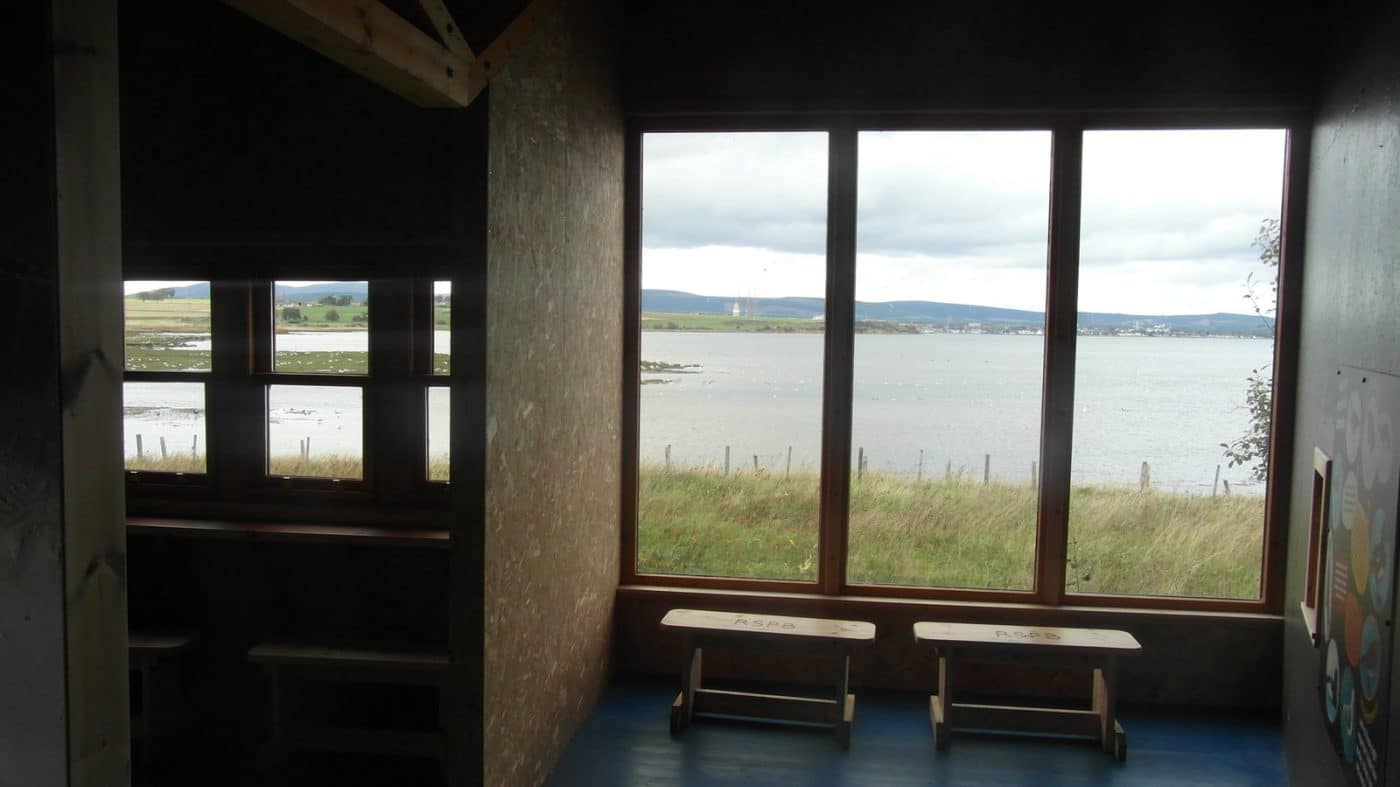
Careful consideration was given to the ergonomics of the seated viewing windows so that all of these could be used by both wheelchair and non wheelchair users. A large floor-to-ceiling viewing window was incorporated providing a panoramic view over the bay, another wall included child height windows allowing up close viewing of the bird life in the trees and shrubs next to the building. Dedicated space was also provided for an artwork by a local artist which fills the hide with colour depicting the changing seasons along with the range of seasonal birds that visit the Reserve.

Outcome

The building has proved to be very successful, we were very pleased to read the following entry in the Visitors’ Book from RSPB members visiting from England shortly after the building’s opening: “What a fantastic hide, we have never seen such an excellent hide catering for all ages, well done!”

With feedback like that, we consider that ‘Job done’!

[staff_member id=’3264′]

Article posted on 03/08/2020

The Webster Memorial Theatre, Arbroath

Award-winning project transformed historic theatre into a modern and fully compliant visitor attraction.

Brief

Our client Angus Council engaged Bell Ingram Design in 2004 to fully refurbish and transform the historic Webster Memorial Theatre in Arbroath into a modern visitor attraction and improve the overall audience experience. Externally the Main Façade, built in 1867, was in poor condition with the stonework badly eroded and spalling, plus there was a particular focus on Health and Safety and the Disability Discrimination Act, with the theatre facing closure if not swiftly brought up to acceptable standards.

Process

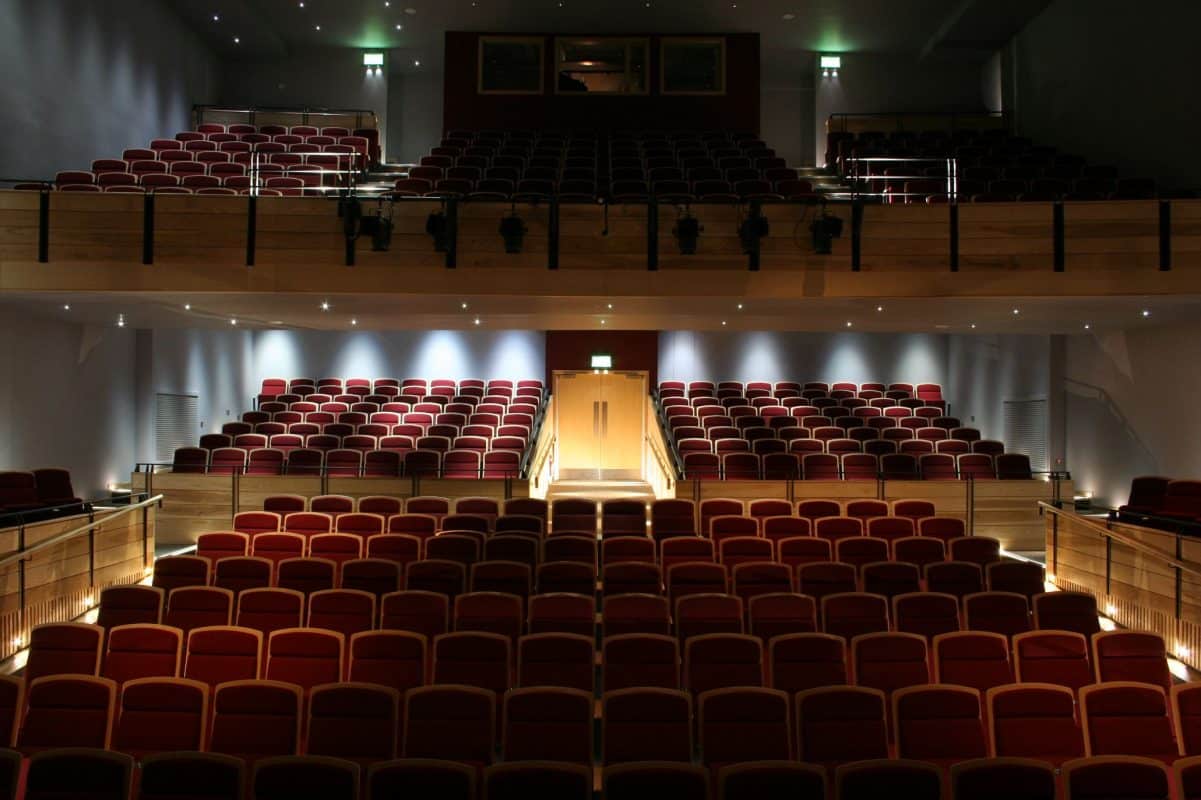
A grant from the Town Heritage Initiative was sufficient to fully fund the renovation of the external stonework. Improvements were made to the provision of public spaces including the creation of an attractive and inviting entrance area and foyer. The main auditorium was completely remodelled to significantly enhance sightlines, lighting sound and acoustics, with disabled access fully integrated with the overall design. Radical enhancements to the Assembly Hall provided additional multi-function performance and conference space. Work on the theatre also tied into an opportunity to improve the existing streetscape.

Outcome

The Webster Theatre is now a fully accessible, multi-functional and successful professional theatre. The success of the project can be demonstrated by the range of awards it has received since opening in January 2008. The theatre received the award for Best Example of Environmental Improvement/Conservation 2008 from the Dundee Institute of Architects, the Ron MacFarlane Award for the Best Accessible Building in Angus in 2008 and the Angus Council 2009 Excellence Award for Project of the Year.

[staff_member id=’3229′] [staff_member id=’3344′]

Article posted on 21/07/2020

The Lookout, RSPB Insh Marshes Reserve

Combining beauty with accessibility to create a hide in one of the most important wetlands in Europe.

Brief

The RSPB engaged Bell Ingram Design to provide a replacement building for a bird hide at its Insh Marshes reserve, which is one of the most important wetlands in Europe. The new building needed to fulfil a number of important additional functions:

• Provide a panoramic viewpoint over the marshes and to the mountains beyond.
• Provide a shelter for group talks by the reserve rangers.
• Provide an interpretation space for information on the life of the marshes.
• Act as a focal point for visitors to the reserve and assisting through high quality design to promote the reserve.
• And last, but not least, allow access for all abilities which the previous building did not achieve.

Process

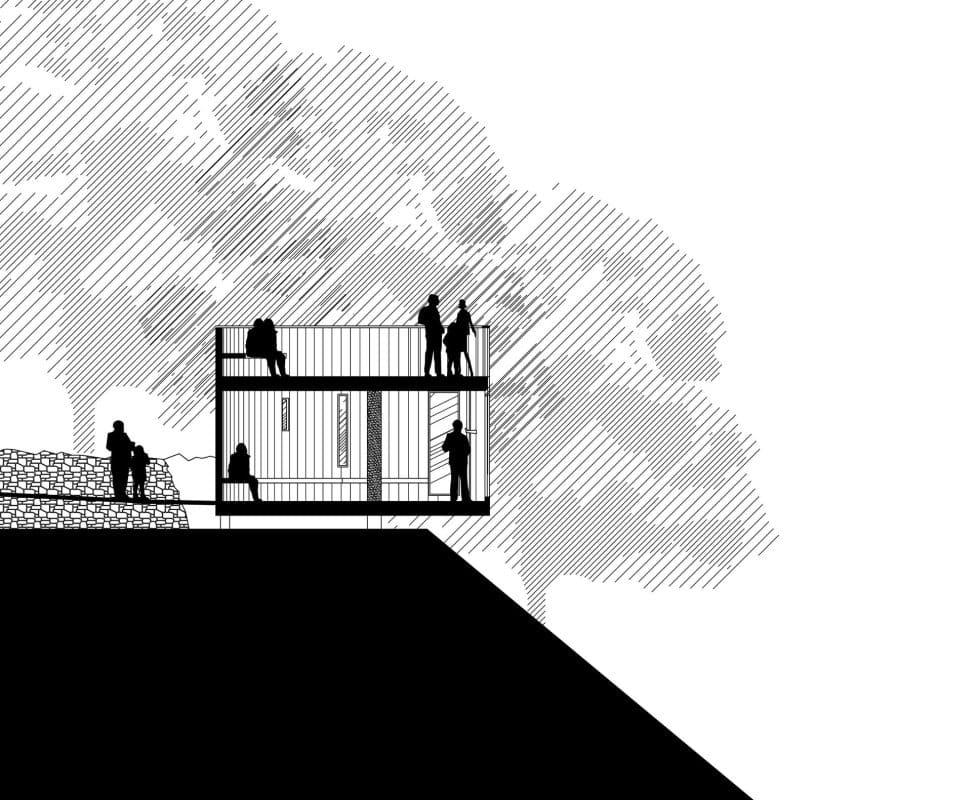
The approach was to create a building on two levels with both areas accessible to all abilities. A lower enclosed level would provide a sheltered viewing space, interpretation space and space for group talks while an open upper level would provide unhindered 360 degree views over the reserve.

The building itself was designed with a circular form ‘sliced’ through with a fully glazed floor to ceiling ‘viewing wall’ projecting out over a steep banking running down to the marshes below. This form was designed to create both a sense of shelter and at the same time drama for visitors.

This approach was made possible by utilising the topography of the site to allow full wheelchair access to both levels of the building.

Outcome

Located as it is in both a National Nature Reserve and National Park, the design took great care to minimise disturbance to the landscape.

The building has proved to be very popular with the general public, and has helped to bring increased numbers of visitors to the Reserve, particularly local schools to use the classroom space.

Recognition for the project also came shortly after its opening with its inclusion in the Cairngorm National Park Design Awards shortlist.

[staff_member id=’3264′]

Article posted on 23/07/2020

Ryehill Oaks – Family Home in Perthshire

Bell Ingram architect Bruce Stephens fulfills dream of designing and building his own family home.

Brief

As an architect, for me my ultimate goal was to design and build our own family home having completed a number of one-off builds for clients. Having spent a few years trying to secure a suitable building plot (I wanted remote as possible, my wife Lynne wanted as urban as possible!) we eventually managed to secure a plot on a half developed site of a former farm steading where the developer had gone bust. The hard work then began to design our contemporary family home that suited everyone!

Process

As the site already had planning permission, a simple change of house design was required and the Council were very supportive of a contemporary modern design but which was still in scale with the surrounding houses. Having secured all the necessary consents, negotiations started with a trusted contractor and after some value engineering we managed to get to a contract sum we could just about afford. One of the hardest and most stressful aspects was trying to secure a self-build mortgage that was not on ridiculous terms even though we owned the site and were only borrowing about 50% of the build costs.

Outcome

Having now been in the house for just over two years, it has been a great success and is thoroughly enjoyed by everyone. Nearly everyone who visits also loves the internal spaces, even if they are not sure of the external athletics and we received some very positive comments from the judges on Scotland’s Home of the Year. Our kids both love the space inside and out and both make great use of the ‘dance studio’ for Highland dancing and playing the bagpipes!

[staff_member id=’3247′]

Article posted on 14/04/2020

Great Glen Hall – Robertson Homes

Playing a key role in transforming a derelict hospital into stylish apartments and townhouses.

Brief

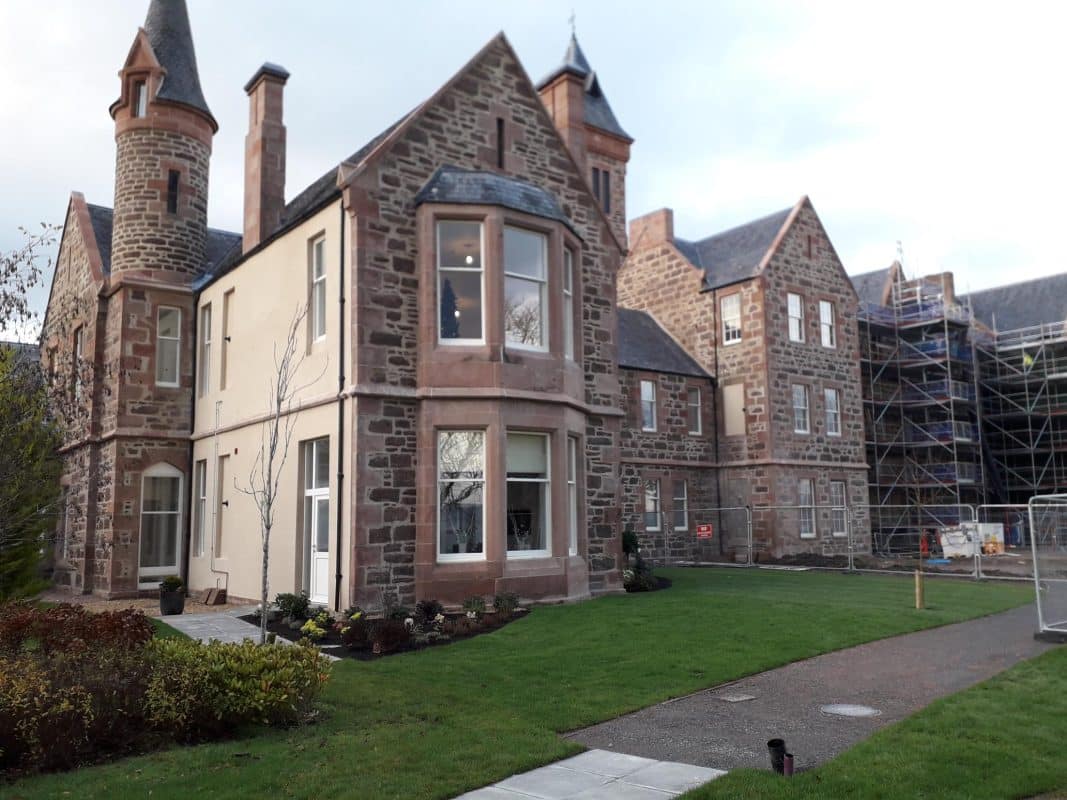
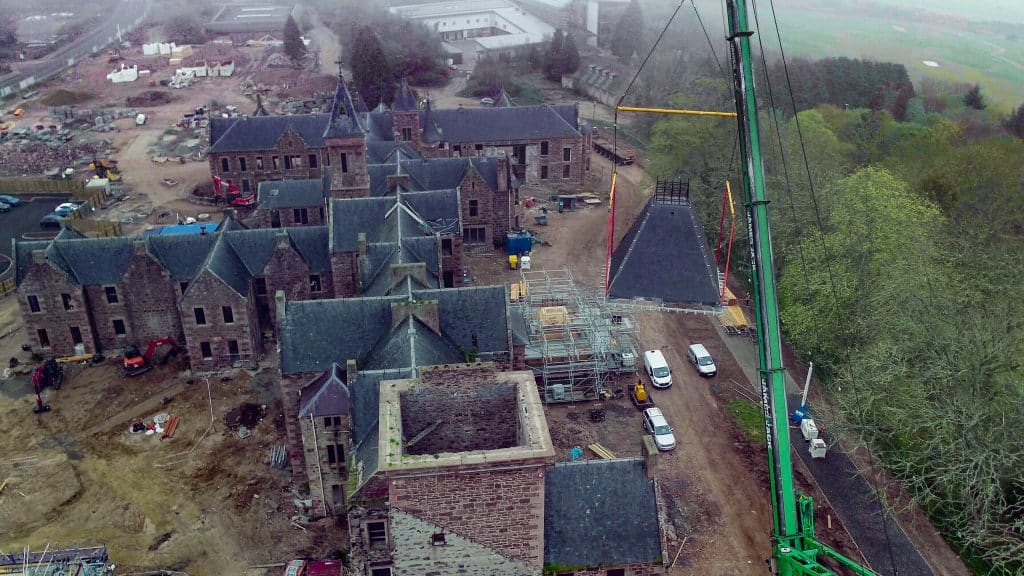
Robertson Homes engaged Bell Ingram Design as Design team leaders, Architects, Planning and Heritage Consultants to assist in their ambitious transformation of the Grade B listed Craig Dunain psychiatric hospital in Inverness into the Great Glen Hall development of stylish apartments and townhouses. The project, which is part of the wider Westercraigs housing development, was made particularly challenging because the building had suffered severe damage to the central area after a fire in 2007.

Process

In collaboration with Roberson Homes and supported by Highland Council, Bell Ingram Design delivered detailed proposals to reconfigure the building into a broad mix of large townhouses through to smaller flatted blocks. A sound understanding of how the original building was designed and intended to function, allowed the Design Team to work with the remaining structure to provide a viable solution that met the concerns of all the interested stakeholders.

Outcome

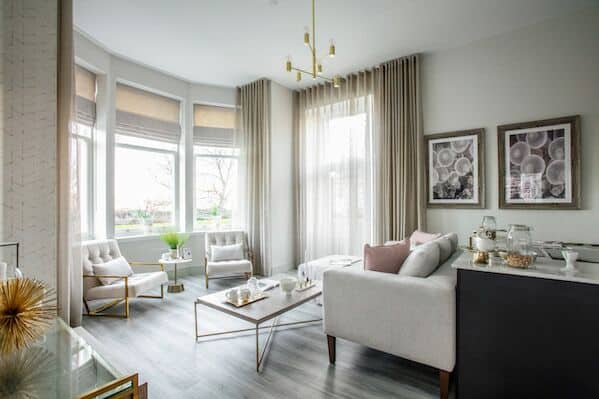
The £13 million redevelopment of Craig Dunain into Great Glen Hall is an ongoing flagship project for Robertson Homes with Bell Ingram Design playing a key role in the transformation process which has seen traditional materials and mature landscaping combined with 21st century interiors and amenities. A highlight was restoring the landmark to its former glory by lowering the first of two 20 tonne pre-fabricated steel roofs onto the building. Entry into the first of the 60 new homes took place in Spring 2018.

[staff_member id=’3247′]

Article posted on 01/01/2020